Florida’s Property Insurance Market: What’s Really Happening in 2026?
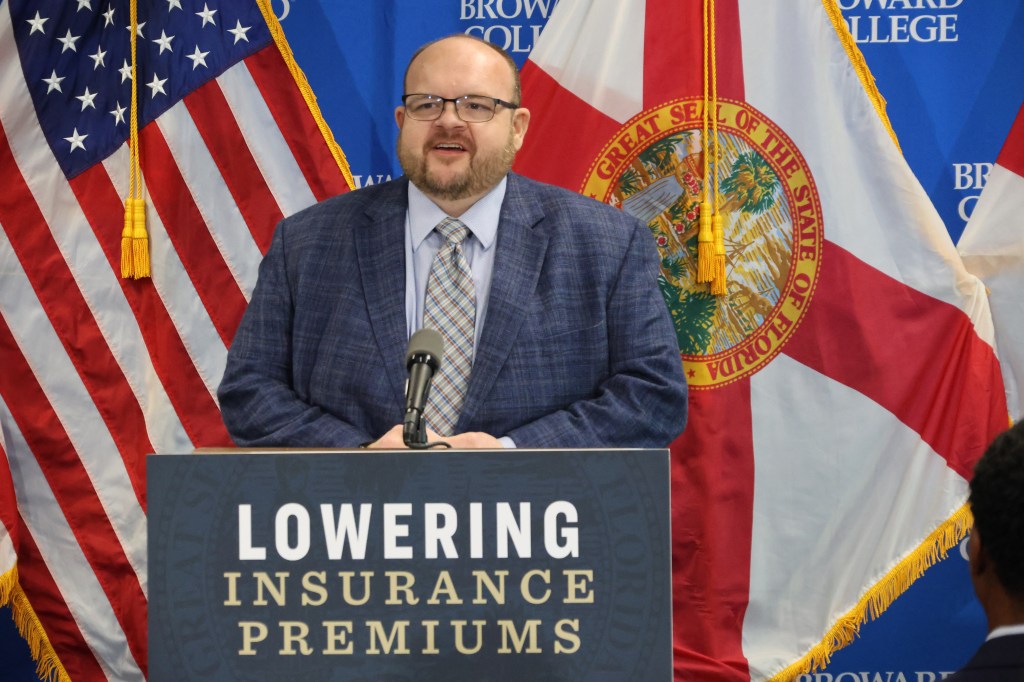
Florida Insurance Commissioner Michael Yaworsky shares powerful insights on the state’s rapidly evolving property insurance landscape, offering a rare look behind the curtain at what homeowners, insurance agents, and real estate professionals should expect in the coming years.
The Sunshine State has weathered turbulent insurance cycles over the past decade, but according to Yaworsky, calmer seas may finally be forming on the horizon. In an interview originally published by the Sun Sentinel, he breaks down market stabilization, Citizens Property Insurance depopulation, and the complicated dynamics shaping rates and premiums across Florida.
Stabilization at Last: Lowest Rate Increases in the Nation
After years of skyrocketing premiums, litigation spikes, and heavy storm seasons, Florida’s property insurance system is showing real signs of recovery. Yaworsky notes that Florida posted the lowest rate increases in the country last year—about 1%—while states like Nebraska saw increases in the 20%–30% range.
“We are seeing good news emerge on just about every front,” he explains, crediting the reforms of 2022 and 2023 for reducing fraud, cutting litigation, and alleviating systemic pressure.
Rates vs. Premiums: Why Homeowners Still Feel the Squeeze
Many Floridians still wonder why premiums feel high even when insurers are filing for rate decreases. Yaworsky clarifies that premiums are tied heavily to the replacement value of a home—a factor deeply influenced by inflation.
Between 2020 and 2024, the total insured value of Florida’s housing market surged by up to 50%. Even as rates level off or decrease, construction costs keep premiums elevated.
“As much as it may not feel like you’re seeing the benefits, I think you will over time,” Yaworsky assures.
Citizens Shrinks: A Sign of a Healthier Market
Citizens Property Insurance Corp., Florida’s long‑standing “insurer of last resort,” has dropped below 400,000 policies—down dramatically from 1.4 million in 2023. This contraction signals a healthier private market, not a forced reduction.
Citizens’ strong surplus has historically shielded Floridians from special assessments, even through heavy storm cycles and legal challenges. Yaworsky insists that Citizens must remain a strong but small backup insurer to ensure Florida’s long-term stability.
Health Insurance: A New Challenge Emerges
While property insurance stabilizes, health insurance in Florida now faces double‑digit increases. Many of these pressures stem from federal policy shifts. Still, the OIR is stepping in to prevent insurers from issuing windfall dividends if projected cost drivers fail to materialize.
Yaworsky believes the entire health system may be due for a “long, hard look” focused on efficiency and fairness for consumers.
Legislative Priorities for 2026
The Office of Insurance Regulation aims to defend the reforms that helped stabilize Florida’s market—especially as some legislators push to undo them.
Key OIR initiatives include:
Clearer, more transparent declarations pages
Streamlined mitigation credits to reward homeowners
New AI regulations ensuring savings reach consumers
Long‑range planning for Florida’s insurance landscape through 2050
What This Means for Florida Professionals
For real estate agents, insurance professionals, property managers, and mortgage specialists, these shifts will shape the landscape for years to come. Understanding this emerging stability—and being able to explain it confidently to clients—will soon be a major competitive differentiator.
If you’re building or expanding a career in real estate, insurance, finance, or other professional licensing fields, institutions like Cameron Academy offer the education, expertise, and current market insight needed to stay ahead in an evolving industry.
Looking Ahead
With Florida’s insurance market entering what may be a long‑awaited period of sustained stability, Yaworsky stresses the importance of long-term planning. Since Hurricane Andrew, Florida has endured three major insurance crises—and he hopes today’s reforms will prevent a fourth.
For now, Florida professionals can step into 2026 with cautious optimism and a clearer understanding of what’s shaping the future of the state’s insurance landscape.
More Articles
Getting licensed or staying ahead in your career can be a journey—but it doesn’t have to be overwhelming. Grab your favorite coffee or tea, take a moment to relax, and browse through our articles. Whether you’re just starting out or renewing your expertise, we’ve got tips, insights, and advice to keep you moving forward. Here’s to your success—one sip and one step at a time!
Artificial intelligence is speeding ahead, but real estate is discovering a hard truth: AI can’t work well on messy, inconsistent, and siloed data. Unlike finance or e‑commerce, the industry has never agreed on shared definitions or standardized frameworks, making it difficult for AI tools to interpret information at scale. Now, leaders across real estate are realizing that the real breakthrough won’t come from smarter algorithms—it will come from finally unifying the industry’s fragmented data so AI can deliver its full value.
Manhattan’s iconic Waldorf Astoria is hitting the market again—and its billion‑dollar price tag may reveal whether commercial real estate is finally recovering. After years of inflation, shutdowns, and stalled investment, new forecasts from major firms show growing optimism, making this sale a critical test for the 2026 market.
Homeowners across Florida are facing sharp increases in their escrow payments as insurance premiums continue to rise. With insurers leaving the state, rates climbing, and replacement policies costing far more, many residents are experiencing sudden spikes in their monthly mortgage bills. These escalating insurance-driven escrow costs are reshaping affordability, influencing buyer qualifications, and redefining financial stability for Floridians and the broader real estate market.
The modern MLS marketplace is one of real estate’s greatest success stories: transparent, efficient, and designed to help buyers and sellers win. But its very effectiveness has sparked a new risk — professionals looking to “stand out” by limiting exposure and restricting information. Research shows that full MLS visibility can boost a seller’s price by $50,000 to $75,000, yet off‑market tactics threaten to chip away at the system that delivers those gains. The MLS doesn’t need replacing; it needs thoughtful upgrades and well‑trained professionals who know how to protect and leverage its power.
Florida homeowners are being hit with a new kind of sticker shock as rising insurance premiums push escrow payments sharply higher, adding hundreds of dollars to monthly mortgage bills. The surge is reshaping budgets, impacting buyer qualification, and redefining affordability across the state. With insurers pulling back and premiums climbing faster than wages, both current owners and hopeful buyers must now navigate a market where insurance risk—not just home price—plays a major role in the true cost of living in the Sunshine State.
Florida’s mobile and manufactured homes are surging in popularity, but insuring them requires specialized HO-7 coverage designed for structures built off-site and more vulnerable to wind and weather. With rising premiums, unique risks, and new 2026 market shifts, homeowners and industry professionals need to understand what these policies cover, what they don’t, which insurers are leading the pack, and how to save without sacrificing protection.