Florida’s Property Insurance Market: What’s Really Happening in 2026?
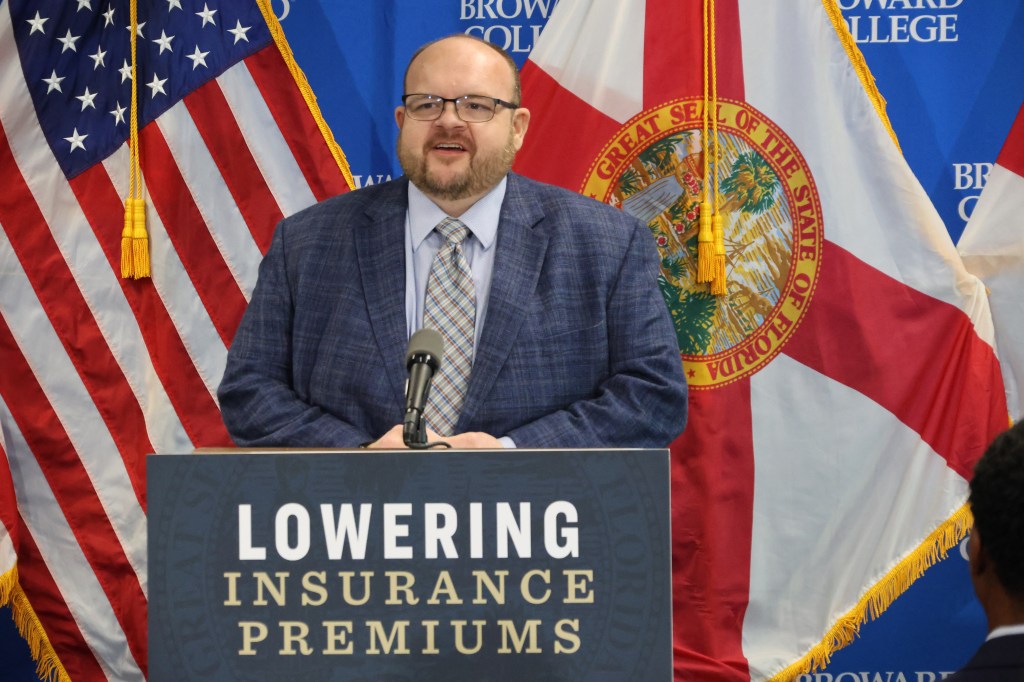
Florida Insurance Commissioner Michael Yaworsky shares powerful insights on the state’s rapidly evolving property insurance landscape, offering a rare look behind the curtain at what homeowners, insurance agents, and real estate professionals should expect in the coming years.
The Sunshine State has weathered turbulent insurance cycles over the past decade, but according to Yaworsky, calmer seas may finally be forming on the horizon. In an interview originally published by the Sun Sentinel, he breaks down market stabilization, Citizens Property Insurance depopulation, and the complicated dynamics shaping rates and premiums across Florida.
Stabilization at Last: Lowest Rate Increases in the Nation
After years of skyrocketing premiums, litigation spikes, and heavy storm seasons, Florida’s property insurance system is showing real signs of recovery. Yaworsky notes that Florida posted the lowest rate increases in the country last year—about 1%—while states like Nebraska saw increases in the 20%–30% range.
“We are seeing good news emerge on just about every front,” he explains, crediting the reforms of 2022 and 2023 for reducing fraud, cutting litigation, and alleviating systemic pressure.
Rates vs. Premiums: Why Homeowners Still Feel the Squeeze
Many Floridians still wonder why premiums feel high even when insurers are filing for rate decreases. Yaworsky clarifies that premiums are tied heavily to the replacement value of a home—a factor deeply influenced by inflation.
Between 2020 and 2024, the total insured value of Florida’s housing market surged by up to 50%. Even as rates level off or decrease, construction costs keep premiums elevated.
“As much as it may not feel like you’re seeing the benefits, I think you will over time,” Yaworsky assures.
Citizens Shrinks: A Sign of a Healthier Market
Citizens Property Insurance Corp., Florida’s long‑standing “insurer of last resort,” has dropped below 400,000 policies—down dramatically from 1.4 million in 2023. This contraction signals a healthier private market, not a forced reduction.
Citizens’ strong surplus has historically shielded Floridians from special assessments, even through heavy storm cycles and legal challenges. Yaworsky insists that Citizens must remain a strong but small backup insurer to ensure Florida’s long-term stability.
Health Insurance: A New Challenge Emerges
While property insurance stabilizes, health insurance in Florida now faces double‑digit increases. Many of these pressures stem from federal policy shifts. Still, the OIR is stepping in to prevent insurers from issuing windfall dividends if projected cost drivers fail to materialize.
Yaworsky believes the entire health system may be due for a “long, hard look” focused on efficiency and fairness for consumers.
Legislative Priorities for 2026
The Office of Insurance Regulation aims to defend the reforms that helped stabilize Florida’s market—especially as some legislators push to undo them.
Key OIR initiatives include:
Clearer, more transparent declarations pages
Streamlined mitigation credits to reward homeowners
New AI regulations ensuring savings reach consumers
Long‑range planning for Florida’s insurance landscape through 2050
What This Means for Florida Professionals
For real estate agents, insurance professionals, property managers, and mortgage specialists, these shifts will shape the landscape for years to come. Understanding this emerging stability—and being able to explain it confidently to clients—will soon be a major competitive differentiator.
If you’re building or expanding a career in real estate, insurance, finance, or other professional licensing fields, institutions like Cameron Academy offer the education, expertise, and current market insight needed to stay ahead in an evolving industry.
Looking Ahead
With Florida’s insurance market entering what may be a long‑awaited period of sustained stability, Yaworsky stresses the importance of long-term planning. Since Hurricane Andrew, Florida has endured three major insurance crises—and he hopes today’s reforms will prevent a fourth.
For now, Florida professionals can step into 2026 with cautious optimism and a clearer understanding of what’s shaping the future of the state’s insurance landscape.
Getting licensed or staying ahead in your career can be a journey—but it doesn’t have to be overwhelming. Grab your favorite coffee or tea, take a moment to relax, and browse through our articles. Whether you’re just starting out or renewing your expertise, we’ve got tips, insights, and advice to keep you moving forward. Here’s to your success—one sip and one step at a time!
A fast‑growing Israeli startup called Agora is reshaping how real estate investment firms operate by replacing outdated spreadsheets and scattered emails with a seamless digital platform. Built by former military intelligence technologists, Agora centralizes investor onboarding, reporting, financial tracking and communication—giving firms a modern backbone for managing complex portfolios. As proptech adoption accelerates worldwide, understanding tools like Agora is becoming essential knowledge for new and seasoned real estate professionals alike.
Canada remains one of the fastest and most accessible places to launch a real estate career, with no university degree required and most provinces offering licensing timelines under a year. This guide breaks down every major step—eligibility, education, exams, brokerage registration, and income expectations—while comparing requirements across Ontario, BC, Alberta, and Quebec. It also highlights what truly separates successful agents from those who leave the profession: consistent prospecting, strong preparation, and long-term discipline.
The 2026 housing market is starting off with colder-than-usual activity but warmer opportunities for buyers. Mortgage rates have dipped nearly a full percentage point from last year, inventory is slowly increasing, and competition is easing just enough to give buyers more leverage. While prices are still rising, the pace has cooled, and motivated sellers are becoming more flexible. Whether you're planning to buy or preparing clients as a real estate professional, the key message remains the same: the right time to purchase depends far more on your financial readiness than on headline noise.
More landlords than ever are turning to LLCs to protect their assets, streamline operations, and unlock tax advantages. An LLC can separate your personal finances from your rental business, provide liability protection, and offer valuable tax benefits. This article breaks down what LLCs do for landlords, how they affect taxes, the benefits they bring, and the best practices for setting one up in 2025—giving real estate professionals and investors a clear, practical guide for making the right decision.
Florida lawmakers have approved Sen. Joe Gruters proposal to push more commercial properties from Citizens Property Insurance into the private market. The bill tightens eligibility rules, expands the clearinghouse process, and could shift about 25 billion dollars in risk to private carriers. Supporters say the change reduces taxpayer exposure after major storms, while opponents worry about relying more on the less-regulated surplus lines market. The measure now heads to Gov. Ron DeSantis for final approval.
Wire fraud has evolved into a major danger for Florida real estate transactions, with criminals hijacking email accounts, impersonating buyers and sellers, and creating fake title company websites. First‑time buyers are especially vulnerable, and losses often occur right before closing when emotions are high. Experts warn that nearly all wire fraud can be prevented with proper verification, secure communication, and professional training—making education a critical defense for today’s real estate professionals.