Florida’s Property Insurance Market: What’s Really Happening in 2026?
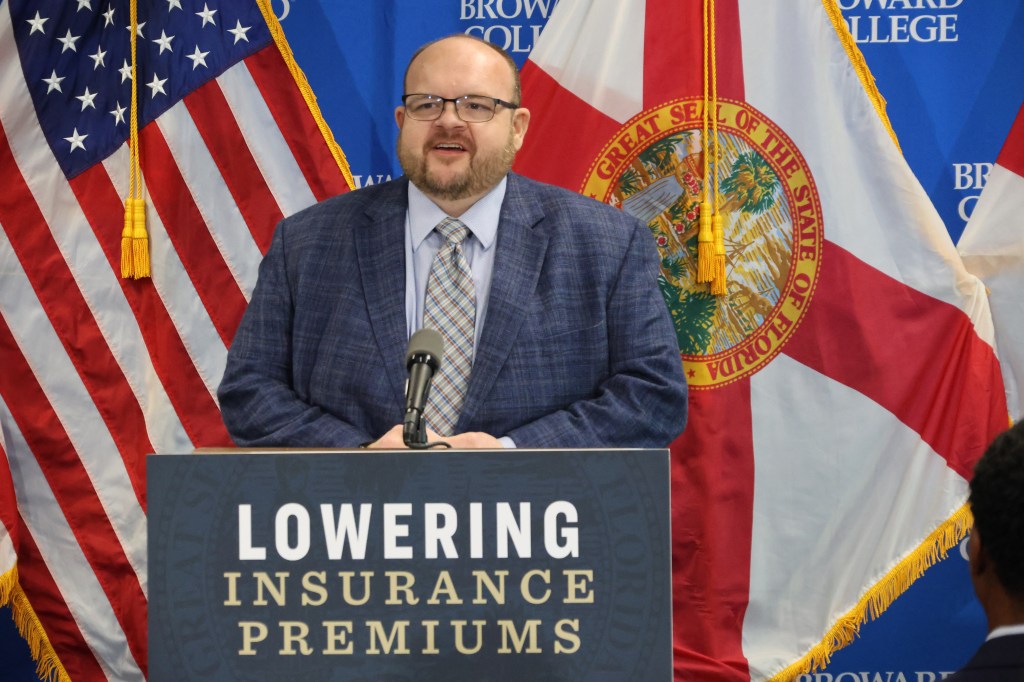
Florida Insurance Commissioner Michael Yaworsky shares powerful insights on the state’s rapidly evolving property insurance landscape, offering a rare look behind the curtain at what homeowners, insurance agents, and real estate professionals should expect in the coming years.
The Sunshine State has weathered turbulent insurance cycles over the past decade, but according to Yaworsky, calmer seas may finally be forming on the horizon. In an interview originally published by the Sun Sentinel, he breaks down market stabilization, Citizens Property Insurance depopulation, and the complicated dynamics shaping rates and premiums across Florida.
Stabilization at Last: Lowest Rate Increases in the Nation
After years of skyrocketing premiums, litigation spikes, and heavy storm seasons, Florida’s property insurance system is showing real signs of recovery. Yaworsky notes that Florida posted the lowest rate increases in the country last year—about 1%—while states like Nebraska saw increases in the 20%–30% range.
“We are seeing good news emerge on just about every front,” he explains, crediting the reforms of 2022 and 2023 for reducing fraud, cutting litigation, and alleviating systemic pressure.
Rates vs. Premiums: Why Homeowners Still Feel the Squeeze
Many Floridians still wonder why premiums feel high even when insurers are filing for rate decreases. Yaworsky clarifies that premiums are tied heavily to the replacement value of a home—a factor deeply influenced by inflation.
Between 2020 and 2024, the total insured value of Florida’s housing market surged by up to 50%. Even as rates level off or decrease, construction costs keep premiums elevated.
“As much as it may not feel like you’re seeing the benefits, I think you will over time,” Yaworsky assures.
Citizens Shrinks: A Sign of a Healthier Market
Citizens Property Insurance Corp., Florida’s long‑standing “insurer of last resort,” has dropped below 400,000 policies—down dramatically from 1.4 million in 2023. This contraction signals a healthier private market, not a forced reduction.
Citizens’ strong surplus has historically shielded Floridians from special assessments, even through heavy storm cycles and legal challenges. Yaworsky insists that Citizens must remain a strong but small backup insurer to ensure Florida’s long-term stability.
Health Insurance: A New Challenge Emerges
While property insurance stabilizes, health insurance in Florida now faces double‑digit increases. Many of these pressures stem from federal policy shifts. Still, the OIR is stepping in to prevent insurers from issuing windfall dividends if projected cost drivers fail to materialize.
Yaworsky believes the entire health system may be due for a “long, hard look” focused on efficiency and fairness for consumers.
Legislative Priorities for 2026
The Office of Insurance Regulation aims to defend the reforms that helped stabilize Florida’s market—especially as some legislators push to undo them.
Key OIR initiatives include:
Clearer, more transparent declarations pages
Streamlined mitigation credits to reward homeowners
New AI regulations ensuring savings reach consumers
Long‑range planning for Florida’s insurance landscape through 2050
What This Means for Florida Professionals
For real estate agents, insurance professionals, property managers, and mortgage specialists, these shifts will shape the landscape for years to come. Understanding this emerging stability—and being able to explain it confidently to clients—will soon be a major competitive differentiator.
If you’re building or expanding a career in real estate, insurance, finance, or other professional licensing fields, institutions like Cameron Academy offer the education, expertise, and current market insight needed to stay ahead in an evolving industry.
Looking Ahead
With Florida’s insurance market entering what may be a long‑awaited period of sustained stability, Yaworsky stresses the importance of long-term planning. Since Hurricane Andrew, Florida has endured three major insurance crises—and he hopes today’s reforms will prevent a fourth.
For now, Florida professionals can step into 2026 with cautious optimism and a clearer understanding of what’s shaping the future of the state’s insurance landscape.
More Articles
Getting licensed or staying ahead in your career can be a journey—but it doesn’t have to be overwhelming. Grab your favorite coffee or tea, take a moment to relax, and browse through our articles. Whether you’re just starting out or renewing your expertise, we’ve got tips, insights, and advice to keep you moving forward. Here’s to your success—one sip and one step at a time!
Data from 2023 forecasts a potential "Multifamily Real Estate Decline 2024" due to rising cap rates and slowed NOI. However, resources from Cameron Academy help real estate professionals navigate "Investment Risks in Multifamily Properties" through real-time, accurate insights.
Investing in real estate can be rewarding but finding the right financing can be challenging. One popular option is the BRRRR (Buy, Rehab, Rent, Refinance, Repeat) method, which involves purchasing distressed properties, renovating them, renting them out, and then refinancing to repeat the process. Traditional banks, private money lenders, portfolio lenders, and online lending platforms are all potential sources for BRRRR loans. Another financing option to consider is the DSCR (Debt Service Coverage Ratio) loan, which assesses the property's cash flow rather than just the borrower's income. DSCR loans are commonly used in commercial real estate investments and offer advantages like better cash flow assessment and flexibility for investors. However, they also come with drawbacks such as higher interest rates and stricter qualification requirements. Choosing the right financing option depends on investment strategy, financial considerations, qualification requirements, risk profile, and expert advice. By understanding the available options and considering individual circumstances, investors can select the financing option that aligns with their goals.
In this blog excerpt, we discuss the forecast for catastrophic declines in the multifamily market by the end of 2024. Factors such as market saturation, economic uncertainty, and changing lifestyle preferences among renters contribute to this forecast. Potential risks for investors include oversupply, economic volatility, and shifts in tenant demand. Thorough research, analysis, and seeking advice from professionals are crucial for navigating the multifamily market. Being knowledgeable and making informed decisions are key to successful investments in real estate. To get started in the industry, visit CameronAcademy.com for licensing in Real Estate, Mortgage, Insurance, or Finance.
In the world of mortgages, the debate between fixed rate and adjustable rate mortgages (FRM and ARM) rages on. FRMs provide consistency and protection against rising rates, while ARMs offer lower initial rates and flexibility. When choosing between the two, factors such as financial goals, economic conditions, time horizon, and risk tolerance must be considered. Ultimately, homeowners must weigh the pros and cons and seek professional advice before making a decision. After all, the right mortgage choice can have a lasting impact on one's financial well-being.
Navigating the complexities of the current housing market can be a daunting task for buyers and sellers alike. Affordability concerns, limited inventory, credit tightening, rising interest rates, and firming home prices are all factors contributing to the challenges in today's market. However, by conducting thorough research, partnering with knowledgeable real estate agents, planning for your budget and mortgage, seeking out alternative financing options, and being patient and flexible, you can overcome these obstacles. With perseverance, informed decision-making, and adaptability, success in real estate transactions can be achieved in any market environment.