Florida’s Big Insurance Shake-Up: Citizens Announces Major Rate Cuts for 2026
Florida homeowners are waking up to something they haven’t seen in nearly a decade: a genuine, measurable, wallet-softening decrease in property insurance rates. Yes, you read that correctly — rates are heading down.
An 8.7% Drop Statewide — And Even Bigger Cuts in South Florida
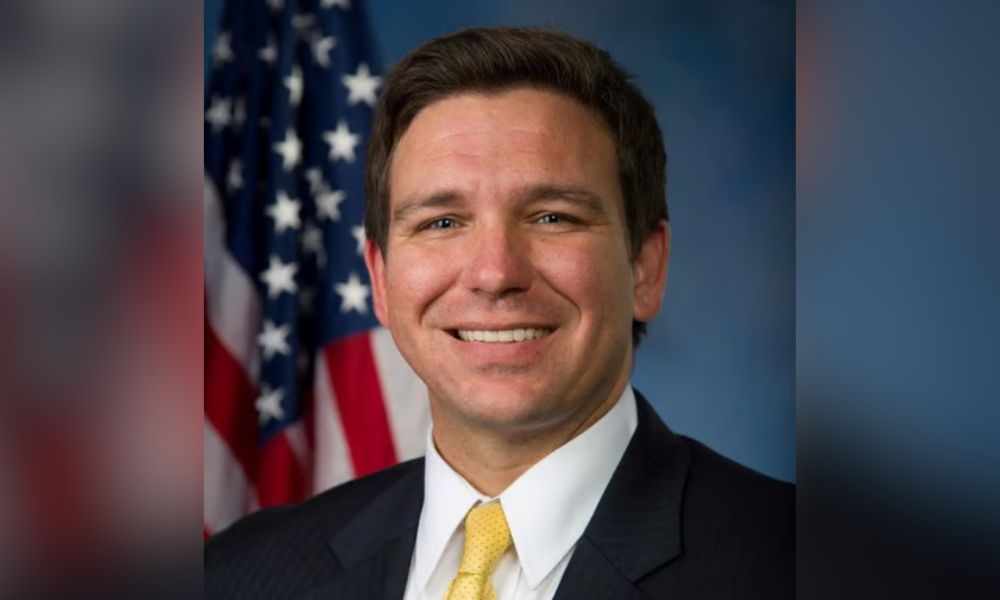
Citizens Property Insurance Corp., Florida’s state-backed insurer, has officially approved an average statewide reduction of 8.7% for 2026. This announcement, delivered by Governor Ron DeSantis, marks a dramatic improvement for a market that was on the brink of collapse just four years ago.
But the biggest winners? Homeowners in South Florida — a region that has consistently battled some of the highest insurance premiums in the nation.
Breakdown of the Major Reductions
More than 330,000 Floridians will see lower bills, with 150,000+ receiving cuts of 10% or more. County-level decreases include:
Even wind-only policies — notoriously pricey in the Florida Keys — will see either price drops or, at minimum, relief from further increases.
Why Are Rates Finally Dropping?
The short answer: tort reform and targeted insurance legislation. State leaders credit years of legislative adjustments aimed at reducing fraud, lawsuits, and systemic inefficiencies across the insurance landscape.
Chief Financial Officer Blaise Ingoglia emphasized that Florida’s insurance market has come a long way since its near-collapse, noting that the reforms are “working” and finally reflecting in consumer relief.
Citizens Shrinking Fast — A Good Sign
Citizens’ policy count has dropped a staggering 50% over the last year, now sitting at its lowest level in 14 years. Even more impressive: this decline comes despite Florida’s booming population and ongoing housing development.
According to CEO Kyle Ulrich of the Florida Association of Insurance Agents, this shift signals that more private insurers are returning — or expanding — in the state, strengthening Florida’s insurance stability.
For real estate professionals, this could be huge. With premiums dropping, more buyers may re-enter the market, deals may stabilize, and investment confidence may rise again.
What This Means for Real Estate Professionals
Insurance rates play a critical role in affordability, negotiations, and closing timelines. For real estate professionals — especially those trained at Cameron Academy — understanding these shifts can give you a competitive edge in advising clients.
Lower premiums could mean more qualified buyers, fewer contract cancellations, and a more balanced market for investors and agents alike.
Want the Full Industry Breakdown?
This article was inspired by industry reporting from Insurance Business America. For deeper insights, explore their full feature:
Read the full source article here.
Ready to elevate your real estate or insurance career? Cameron Academy is here to help you grow, succeed, and earn the licenses that power your future.
More Articles
Getting licensed or staying ahead in your career can be a journey—but it doesn’t have to be overwhelming. Grab your favorite coffee or tea, take a moment to relax, and browse through our articles. Whether you’re just starting out or renewing your expertise, we’ve got tips, insights, and advice to keep you moving forward. Here’s to your success—one sip and one step at a time!
Artificial intelligence is speeding ahead, but real estate is discovering a hard truth: AI can’t work well on messy, inconsistent, and siloed data. Unlike finance or e‑commerce, the industry has never agreed on shared definitions or standardized frameworks, making it difficult for AI tools to interpret information at scale. Now, leaders across real estate are realizing that the real breakthrough won’t come from smarter algorithms—it will come from finally unifying the industry’s fragmented data so AI can deliver its full value.
Manhattan’s iconic Waldorf Astoria is hitting the market again—and its billion‑dollar price tag may reveal whether commercial real estate is finally recovering. After years of inflation, shutdowns, and stalled investment, new forecasts from major firms show growing optimism, making this sale a critical test for the 2026 market.
Homeowners across Florida are facing sharp increases in their escrow payments as insurance premiums continue to rise. With insurers leaving the state, rates climbing, and replacement policies costing far more, many residents are experiencing sudden spikes in their monthly mortgage bills. These escalating insurance-driven escrow costs are reshaping affordability, influencing buyer qualifications, and redefining financial stability for Floridians and the broader real estate market.
The modern MLS marketplace is one of real estate’s greatest success stories: transparent, efficient, and designed to help buyers and sellers win. But its very effectiveness has sparked a new risk — professionals looking to “stand out” by limiting exposure and restricting information. Research shows that full MLS visibility can boost a seller’s price by $50,000 to $75,000, yet off‑market tactics threaten to chip away at the system that delivers those gains. The MLS doesn’t need replacing; it needs thoughtful upgrades and well‑trained professionals who know how to protect and leverage its power.
Florida homeowners are being hit with a new kind of sticker shock as rising insurance premiums push escrow payments sharply higher, adding hundreds of dollars to monthly mortgage bills. The surge is reshaping budgets, impacting buyer qualification, and redefining affordability across the state. With insurers pulling back and premiums climbing faster than wages, both current owners and hopeful buyers must now navigate a market where insurance risk—not just home price—plays a major role in the true cost of living in the Sunshine State.
Florida’s mobile and manufactured homes are surging in popularity, but insuring them requires specialized HO-7 coverage designed for structures built off-site and more vulnerable to wind and weather. With rising premiums, unique risks, and new 2026 market shifts, homeowners and industry professionals need to understand what these policies cover, what they don’t, which insurers are leading the pack, and how to save without sacrificing protection.