Florida’s Big Insurance Shake-Up: Citizens Announces Major Rate Cuts for 2026
Florida homeowners are waking up to something they haven’t seen in nearly a decade: a genuine, measurable, wallet-softening decrease in property insurance rates. Yes, you read that correctly — rates are heading down.
An 8.7% Drop Statewide — And Even Bigger Cuts in South Florida
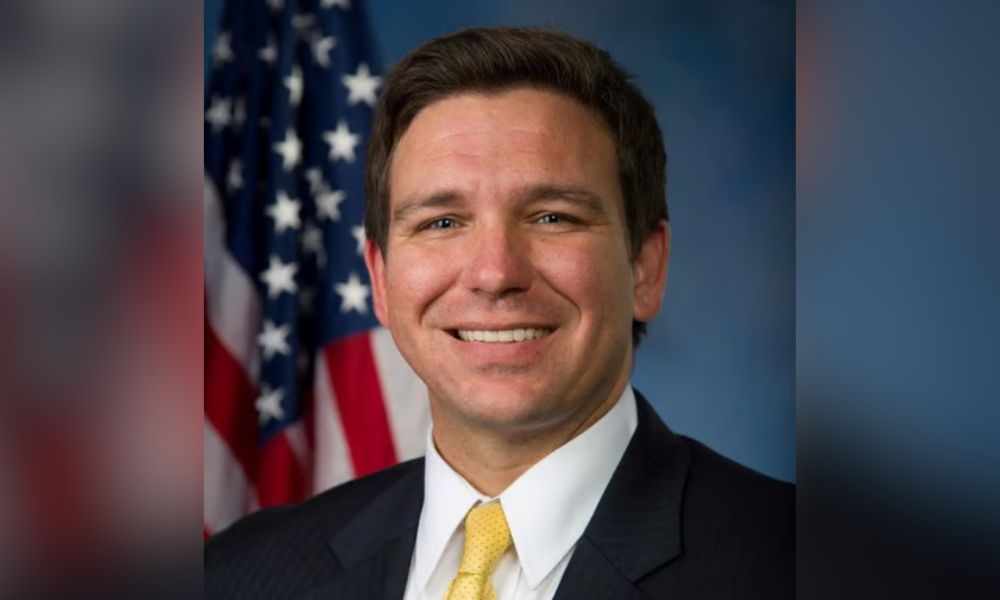
Citizens Property Insurance Corp., Florida’s state-backed insurer, has officially approved an average statewide reduction of 8.7% for 2026. This announcement, delivered by Governor Ron DeSantis, marks a dramatic improvement for a market that was on the brink of collapse just four years ago.
But the biggest winners? Homeowners in South Florida — a region that has consistently battled some of the highest insurance premiums in the nation.
Breakdown of the Major Reductions
More than 330,000 Floridians will see lower bills, with 150,000+ receiving cuts of 10% or more. County-level decreases include:
Even wind-only policies — notoriously pricey in the Florida Keys — will see either price drops or, at minimum, relief from further increases.
Why Are Rates Finally Dropping?
The short answer: tort reform and targeted insurance legislation. State leaders credit years of legislative adjustments aimed at reducing fraud, lawsuits, and systemic inefficiencies across the insurance landscape.
Chief Financial Officer Blaise Ingoglia emphasized that Florida’s insurance market has come a long way since its near-collapse, noting that the reforms are “working” and finally reflecting in consumer relief.
Citizens Shrinking Fast — A Good Sign
Citizens’ policy count has dropped a staggering 50% over the last year, now sitting at its lowest level in 14 years. Even more impressive: this decline comes despite Florida’s booming population and ongoing housing development.
According to CEO Kyle Ulrich of the Florida Association of Insurance Agents, this shift signals that more private insurers are returning — or expanding — in the state, strengthening Florida’s insurance stability.
For real estate professionals, this could be huge. With premiums dropping, more buyers may re-enter the market, deals may stabilize, and investment confidence may rise again.
What This Means for Real Estate Professionals
Insurance rates play a critical role in affordability, negotiations, and closing timelines. For real estate professionals — especially those trained at Cameron Academy — understanding these shifts can give you a competitive edge in advising clients.
Lower premiums could mean more qualified buyers, fewer contract cancellations, and a more balanced market for investors and agents alike.
Want the Full Industry Breakdown?
This article was inspired by industry reporting from Insurance Business America. For deeper insights, explore their full feature:
Read the full source article here.
Ready to elevate your real estate or insurance career? Cameron Academy is here to help you grow, succeed, and earn the licenses that power your future.
More Articles
Getting licensed or staying ahead in your career can be a journey—but it doesn’t have to be overwhelming. Grab your favorite coffee or tea, take a moment to relax, and browse through our articles. Whether you’re just starting out or renewing your expertise, we’ve got tips, insights, and advice to keep you moving forward. Here’s to your success—one sip and one step at a time!
Nevada has enacted a first‑in‑the‑nation law permitting insurers to sell homeowners policies that exclude wildfire coverage, a move supporters say could help stabilize premiums but critics warn may leave homeowners financially devastated. The policy shift positions Nevada as a testing ground for potential nationwide changes, raising major implications for real estate, mortgage, and insurance professionals as lenders, high‑risk communities, and regulators navigate the evolving landscape.
Tampa Bay’s office sector just delivered its most powerful year in nearly a decade, according to JLL’s Q4 2025 report. With more than 600,000 square feet of positive net absorption, falling vacancies, shrinking inventory, and major tenants like Fisher Investments and GEICO locking in massive leases, the region is emerging as one of the nation’s strongest post‑recovery office markets. The surge in demand for high‑quality space is driving rents up, tightening supply, and setting the stage for continued momentum into 2026.
The Consumer Financial Protection Bureau has proposed new updates to the Nationwide Mortgage Licensing System and Registry, expanding data collection, tightening verification standards, and refreshing record‑retention rules. These changes aim to strengthen background checks, enhance regulatory oversight, and align the system with federal requirements—impacting both current and aspiring mortgage loan originators nationwide.
Nevada has become the first state to let insurers sell homeowners policies that exclude wildfire coverage — a dramatic shift that could reshape insurance pricing across the West. Supporters say the move may lower premiums and spark innovation, while critics warn it could leave homeowners exposed to devastating losses. As regulators and insurers nationwide watch closely, the experiment could have major implications for real estate, mortgages, and insurance markets.
After years of soaring premiums and insurer failures, Florida lawmakers are rolling out a new slate of reforms aimed at finally delivering relief to homeowners. From cracking down on profit‑sharing affiliates to unveiling hidden rate factors and rewarding claim‑free residents, these proposals could reshape the state’s insurance landscape — and bring real savings to property owners and real estate professionals alike.
With traditional CRE lending slowing nationwide, C‑PACE financing is surging to all‑time highs — including a record‑setting $465 million loan for a major D.C. redevelopment. Backed by long repayment terms, fixed rates, and tax‑assessment security, C‑PACE is rapidly becoming a preferred tool for funding energy efficiency, resiliency upgrades, and even large‑scale project recapitalizations. Major players like Nuveen Green Capital and Peachtree Group are driving billions in new volume as 40 states adopt the program, signaling a major shift in how commercial real estate projects are financed.