Florida’s Big Insurance Shake-Up: Citizens Announces Major Rate Cuts for 2026
Florida homeowners are waking up to something they haven’t seen in nearly a decade: a genuine, measurable, wallet-softening decrease in property insurance rates. Yes, you read that correctly — rates are heading down.
An 8.7% Drop Statewide — And Even Bigger Cuts in South Florida
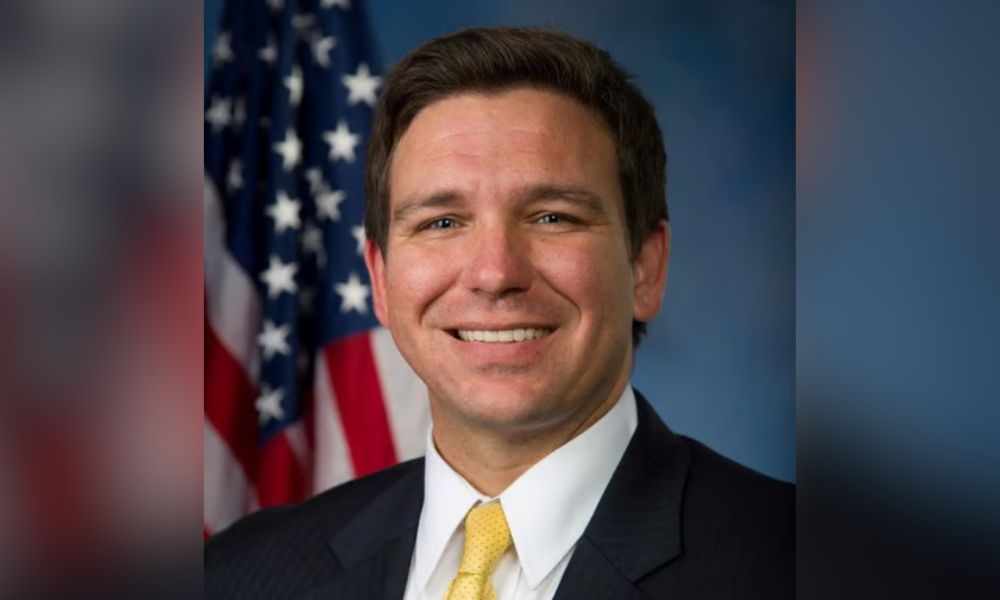
Citizens Property Insurance Corp., Florida’s state-backed insurer, has officially approved an average statewide reduction of 8.7% for 2026. This announcement, delivered by Governor Ron DeSantis, marks a dramatic improvement for a market that was on the brink of collapse just four years ago.
But the biggest winners? Homeowners in South Florida — a region that has consistently battled some of the highest insurance premiums in the nation.
Breakdown of the Major Reductions
More than 330,000 Floridians will see lower bills, with 150,000+ receiving cuts of 10% or more. County-level decreases include:
Even wind-only policies — notoriously pricey in the Florida Keys — will see either price drops or, at minimum, relief from further increases.
Why Are Rates Finally Dropping?
The short answer: tort reform and targeted insurance legislation. State leaders credit years of legislative adjustments aimed at reducing fraud, lawsuits, and systemic inefficiencies across the insurance landscape.
Chief Financial Officer Blaise Ingoglia emphasized that Florida’s insurance market has come a long way since its near-collapse, noting that the reforms are “working” and finally reflecting in consumer relief.
Citizens Shrinking Fast — A Good Sign
Citizens’ policy count has dropped a staggering 50% over the last year, now sitting at its lowest level in 14 years. Even more impressive: this decline comes despite Florida’s booming population and ongoing housing development.
According to CEO Kyle Ulrich of the Florida Association of Insurance Agents, this shift signals that more private insurers are returning — or expanding — in the state, strengthening Florida’s insurance stability.
For real estate professionals, this could be huge. With premiums dropping, more buyers may re-enter the market, deals may stabilize, and investment confidence may rise again.
What This Means for Real Estate Professionals
Insurance rates play a critical role in affordability, negotiations, and closing timelines. For real estate professionals — especially those trained at Cameron Academy — understanding these shifts can give you a competitive edge in advising clients.
Lower premiums could mean more qualified buyers, fewer contract cancellations, and a more balanced market for investors and agents alike.
Want the Full Industry Breakdown?
This article was inspired by industry reporting from Insurance Business America. For deeper insights, explore their full feature:
Read the full source article here.
Ready to elevate your real estate or insurance career? Cameron Academy is here to help you grow, succeed, and earn the licenses that power your future.
More Articles
Getting licensed or staying ahead in your career can be a journey—but it doesn’t have to be overwhelming. Grab your favorite coffee or tea, take a moment to relax, and browse through our articles. Whether you’re just starting out or renewing your expertise, we’ve got tips, insights, and advice to keep you moving forward. Here’s to your success—one sip and one step at a time!
Florida homeowners — especially in hard‑hit South Florida — are set to see rare and substantial reductions in their property insurance premiums. Gov. Ron DeSantis announced an average statewide Citizens Insurance decrease of 8.7%, with even larger savings of up to 14% in counties like Miami-Dade, Broward, and Palm Beach. State officials credit recent legal and regulatory reforms for stabilizing the market, attracting new insurers, and delivering the first meaningful rate relief Floridians have seen in years.
Tampa’s commercial real estate market isn’t slowing—it’s maturing. With strong population growth, rising office demand, a normalized industrial sector, resurgent retail, and an emerging health‑care real estate boom, investors are shifting from speed to strategy. Tighter underwriting, cautious capital and increased due‑diligence are shaping a more disciplined market, creating new opportunities for informed professionals.
Florida homeowners are finally seeing relief as Citizens Property Insurance announces a major 8.7% average rate decrease—far larger than originally proposed. Driven by legislative reforms, fewer lawsuits, and a calm hurricane season, the state’s once‑unstable insurance market is showing real signs of recovery. But with reduced coverage limits and shifting legal protections, experts warn that lower premiums may come with hidden trade‑offs.
After a decade of rising premiums and retreating carriers, Florida homeowners are finally seeing long‑awaited relief. Dozens of insurers have filed for rate decreases—some as high as 11%—thanks to legislative reforms and a stabilizing market. Early approvals are already hitting counties across the state, and experts say the momentum could boost buyer confidence, affordability, and competition throughout Florida’s real estate and insurance sectors.
After years of slowed activity caused by rising interest rates, the self‑storage industry is heating up again. New data from Marcus & Millichap shows a fresh market cycle emerging, driven by renewed buyer confidence, recalibrated pricing, and stronger lender participation. Acquisitions are rebounding, development is resetting in a healthier direction, and financing conditions are improving—creating one of the most promising investment landscapes the sector has seen in years.
Brookline’s newly updated FEMA flood maps identify 97 high‑risk parcels, but local experts warn the true threat is far greater. While FEMA highlights river‑based flooding around Leverett Pond and the Muddy River, alternative models show more than 1,300 Brookline properties at risk within 30 years. Hidden vulnerabilities along major corridors like Beacon Street, rising rainfall intensity, aging infrastructure, and climate‑driven storm patterns suggest that many “low‑risk” areas may be anything but safe.