Florida’s Big Insurance Shake-Up: Citizens Announces Major Rate Cuts for 2026
Florida homeowners are waking up to something they haven’t seen in nearly a decade: a genuine, measurable, wallet-softening decrease in property insurance rates. Yes, you read that correctly — rates are heading down.
An 8.7% Drop Statewide — And Even Bigger Cuts in South Florida
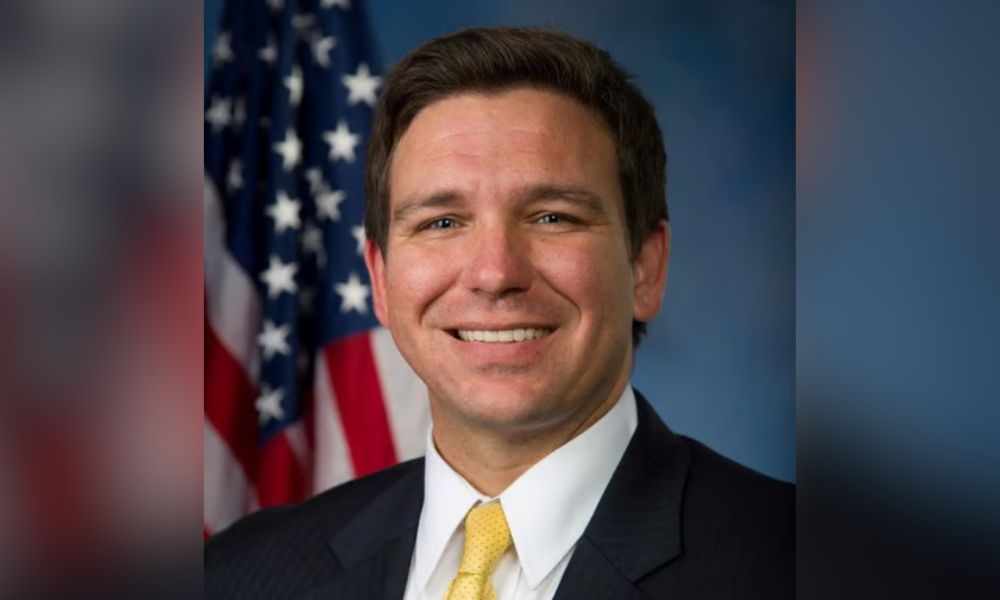
Citizens Property Insurance Corp., Florida’s state-backed insurer, has officially approved an average statewide reduction of 8.7% for 2026. This announcement, delivered by Governor Ron DeSantis, marks a dramatic improvement for a market that was on the brink of collapse just four years ago.
But the biggest winners? Homeowners in South Florida — a region that has consistently battled some of the highest insurance premiums in the nation.
Breakdown of the Major Reductions
More than 330,000 Floridians will see lower bills, with 150,000+ receiving cuts of 10% or more. County-level decreases include:
Even wind-only policies — notoriously pricey in the Florida Keys — will see either price drops or, at minimum, relief from further increases.
Why Are Rates Finally Dropping?
The short answer: tort reform and targeted insurance legislation. State leaders credit years of legislative adjustments aimed at reducing fraud, lawsuits, and systemic inefficiencies across the insurance landscape.
Chief Financial Officer Blaise Ingoglia emphasized that Florida’s insurance market has come a long way since its near-collapse, noting that the reforms are “working” and finally reflecting in consumer relief.
Citizens Shrinking Fast — A Good Sign
Citizens’ policy count has dropped a staggering 50% over the last year, now sitting at its lowest level in 14 years. Even more impressive: this decline comes despite Florida’s booming population and ongoing housing development.
According to CEO Kyle Ulrich of the Florida Association of Insurance Agents, this shift signals that more private insurers are returning — or expanding — in the state, strengthening Florida’s insurance stability.
For real estate professionals, this could be huge. With premiums dropping, more buyers may re-enter the market, deals may stabilize, and investment confidence may rise again.
What This Means for Real Estate Professionals
Insurance rates play a critical role in affordability, negotiations, and closing timelines. For real estate professionals — especially those trained at Cameron Academy — understanding these shifts can give you a competitive edge in advising clients.
Lower premiums could mean more qualified buyers, fewer contract cancellations, and a more balanced market for investors and agents alike.
Want the Full Industry Breakdown?
This article was inspired by industry reporting from Insurance Business America. For deeper insights, explore their full feature:
Read the full source article here.
Ready to elevate your real estate or insurance career? Cameron Academy is here to help you grow, succeed, and earn the licenses that power your future.
More Articles
Getting licensed or staying ahead in your career can be a journey—but it doesn’t have to be overwhelming. Grab your favorite coffee or tea, take a moment to relax, and browse through our articles. Whether you’re just starting out or renewing your expertise, we’ve got tips, insights, and advice to keep you moving forward. Here’s to your success—one sip and one step at a time!
At the 2025 Florida Chamber Insurance Summit, Insurance Commissioner Mike Yaworsky announced that Florida’s long‑volatile insurance market has at last regained stability. After a decade marked by runaway litigation, inflated claims, and insurer exits, the sweeping tort and insurance reforms passed in 2022 and 2023 have reversed the decline. Litigation has fallen to pre‑2019 levels, new carriers and reinsurers are entering the state, and consumers now have more options than they’ve seen in years. Yaworsky cautioned, however, that rolling back these reforms would undo the progress and impose massive costs on Floridians.
Driving with an expired license is illegal in nearly every state, and in 2025 the consequences are more serious than most people realize. From fines and potential jail time to denied insurance claims and professional repercussions, even a simple lapse can create a ripple effect—especially for licensed professionals in real estate, insurance, mortgage, and finance. This quick morning read breaks down the real penalties, why professionals should pay attention, and how to renew your license before it becomes a costly mistake.
A new wave of chat‑based AI tools is reshaping how quickly real estate professionals can prepare and enhance listing photos. By simply describing changes—like brightening a kitchen, removing clutter, or fully staging a room—agents and property managers can produce high‑impact images in minutes. This technology not only speeds up market readiness but also boosts renter and buyer engagement by presenting spaces at their full potential from the very first glance.
The rental market is gearing up for major shifts in 2026, from rising compliance demands and surging insurance costs to the rapid adoption of AI‑powered property management tools. Tenants’ expectations are evolving just as quickly, pushing owners to deliver lifestyle‑driven communities rather than simple lease agreements. Investors and operators who embrace technology, stay ahead of regulatory changes and prioritize renter experience will be best positioned to thrive in the coming year.
Artificial intelligence is transforming real estate at lightning speed, turning days of manual work into minutes of automated insight. With the AI real estate market projected to soar from $222.65B in 2024 to over $975B by 2029, professionals who understand this technology now will lead the industry tomorrow. From smarter valuations to automated workflows and predictive analytics, AI is redefining how agents, investors, and property managers operate—making today the perfect time to embrace the tools shaping the future of real estate.
As AI takes over the repetitive tasks that slow agents down, industry expert Matt Britton says the future of real estate belongs to professionals who combine intelligent automation with irreplaceable human trust. Speaking to thousands at NAR NXT 2025, Britton emphasized that the next wave of success will come from agents who embrace AI workflows while doubling down on what technology can’t replicate: empathy, creativity, and meaningful client relationships.