Florida’s 2026 Legislative Session Opens: What Real Estate and Business Professionals Need to Know
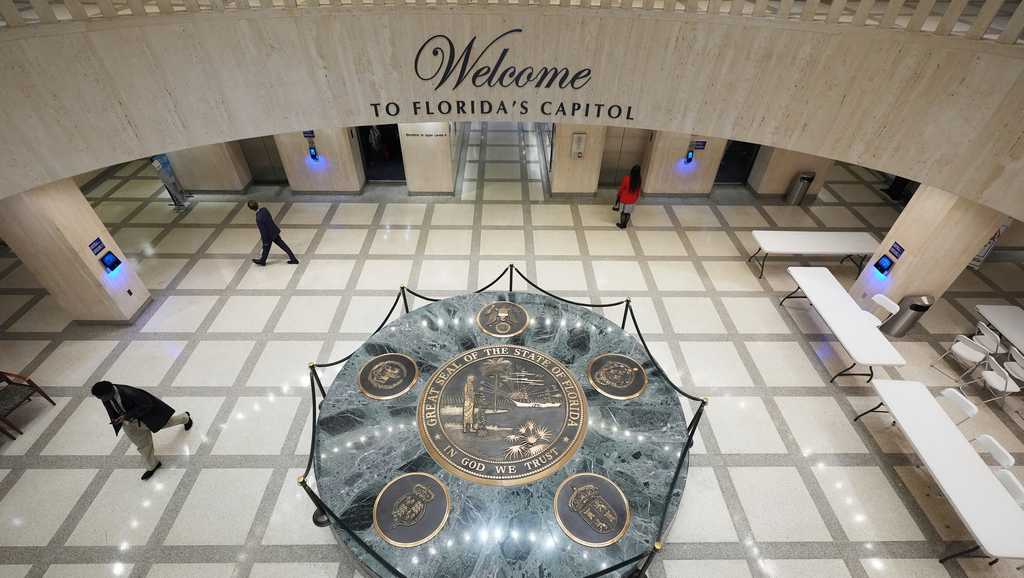
Florida’s 2026 legislative session is officially underway, and lawmakers are already rolling out proposals that could significantly reshape the state’s real estate market, insurance sector, education system, and even its approach to artificial intelligence. With over a hundred new bills introduced, this year’s session is shaping up to be one of the most influential in recent memory—especially for homeowners, business owners, and licensed professionals statewide.
Property Insurance Reform Takes Center Stage
During a recent news conference in Broward County, Governor Ron DeSantis announced that Florida has finally reached a turning point in its ongoing property insurance crisis. After years of steep premium increases, the governor emphasized that the state’s massive insurance overhaul is beginning to deliver what residents have long demanded: lower insurance bills.
DeSantis highlighted that the reforms could not only reduce property insurance costs but may also lead to lower auto insurance premiums across Florida.
For real estate professionals, investors, and property managers, these changes could influence buyer confidence, affordability, and long‑term market stability. Students at Cameron Academy—especially those studying real estate, mortgage, or insurance licensing—will want to keep a close eye on this shifting regulatory landscape.
A Push to Eliminate Property Taxes
In a bold move during his final State of the State address, Governor DeSantis revealed a cornerstone of his legacy agenda: eliminating property taxes for Florida homeowners. Backed by Florida’s explosive economic growth and nearly $10 billion in tax relief over seven years, the governor affirmed the state’s commitment to remaining one of the most taxpayer‑friendly regions in the country.
Should this proposal gain traction, real estate agents and brokers could see major shifts in property values, investor interest, and homebuyer motivation.
Education Reforms and Attendance Alerts
Among this year’s proposed bills is a statewide attendance alert system requiring school boards to notify parents and administrators when students hit certain absence milestones. If parents cannot provide valid explanations, schools may escalate the issue.
This bill could significantly affect educators, school administrators, and professionals renewing or pursuing education‑related licenses through programs such as those offered by Cameron Academy.
The AI Bill of Rights and Florida’s Digital Future
Another key agenda item is the proposed AI Bill of Rights, designed to safeguard Floridians as artificial intelligence becomes increasingly integrated into businesses, classrooms, and everyday life. This legislation could influence training standards, compliance guidelines, and ethical expectations across numerous professional industries.
Redistricting on the Horizon
Though the regular session spans 60 days, Governor DeSantis has already scheduled a special session in April to address redistricting Florida’s congressional maps. He aims to ensure that new districts accurately reflect Florida’s rapidly increasing population, while Republican lawmakers work to maintain their party’s influence in the U.S. House.
As these legislative debates unfold, professionals across Florida—from real estate and insurance to education and technology—will undoubtedly feel the ripple effects. Cameron Academy remains committed to providing the licensing education, professional development, and industry insights needed to stay competitive in a rapidly changing marketplace.
Stay tuned—this year’s session is poised to shape Florida’s professional landscape for years to come.
More Articles
Getting licensed or staying ahead in your career can be a journey—but it doesn’t have to be overwhelming. Grab your favorite coffee or tea, take a moment to relax, and browse through our articles. Whether you’re just starting out or renewing your expertise, we’ve got tips, insights, and advice to keep you moving forward. Here’s to your success—one sip and one step at a time!
The greenhouse industry is entering 2026 with a complex wave of overlapping risks — from rising insurance costs and extreme weather to cyber threats, labor shortages, and unstable supply chains. These challenges aren’t isolated; they compound one another, increasing pressure on growers and business owners alike. Insights from industry experts reveal the key trends shaping risk management in the year ahead and what operators must do now to stay resilient.
New FDIC reporting rules are changing how banks classify and disclose commercial real estate loans, replacing the old Troubled Debt Restructuring label with clearer “financial difficulty” modifications and expanding transparency across structured products and capital requirements. These updates may briefly tighten lending but ultimately promise stronger liquidity, cleaner risk data, and more predictable CRE financing as banks adapt.
Artificial intelligence is no longer an upcoming trend—it's already reshaping how real estate professionals work, compete, and win. With the AI real estate sector set to surge from $222B in 2024 to nearly $1T by 2029, the industry is undergoing a rapid transformation in valuations, virtual tours, listings, investment analysis, and client management. Agents and investors who embrace AI tools are gaining unprecedented efficiency and insight, while those who resist risk falling behind.
The Federal Housing Finance Agency is weighing the idea of 50‑year mortgages, a move that could make monthly payments more affordable but dramatically increase total interest costs. Supporters say it may help young professionals break into the housing market, while critics warn it could trap families in half a century of debt. As the industry debates this controversial loan option, real estate and mortgage professionals must stay informed to guide clients through the shifting landscape.
December is shaping up to be another unpredictable month for mortgage rates. With the Federal Reserve signaling mixed messages, key economic reports running behind schedule, and lenders already looking ahead to 2026, rates could face upward pressure. Experts from Fannie Mae and the MBA project an average 30‑year rate around 6.3% for late 2025, suggesting a potential December bump. For real estate and mortgage professionals, understanding this volatility isn’t just helpful — it’s a competitive edge.
Sellers are cutting prices at record levels, delistings are surging to highs not seen since 2017, and buyers remain hesitant despite slightly lower mortgage rates. With affordability still strained and new construction slowing, the 2025 housing market is entering a deeper‑than‑usual winter slowdown marked by caution on all sides.