In the 2024 election, Florida voters approved a pivotal change in the state’s property tax policy through Amendment 5. This amendment introduces an annual adjustment for inflation to the value of current or future homestead exemptions, specifically tied to the consumer price index (CPI). With more than 66% of voters in favor, this measure reflects a significant shift in the way property taxes are assessed and managed in Florida. For more details, you can read the overview on the 2024 Florida election amendments at First Coast News.

Understanding the Amendment

Currently, Florida homeowners benefit from a $25,000 homestead exemption, which allows them to exclude this amount from their home’s assessed value for tax purposes. Most homeowners qualify for at least two such exemptions, totaling a fixed $50,000 deduction from their property’s assessed value. Starting in 2025, one of these exemptions will be adjusted annually for inflation, potentially increasing the exemption amount over time. For an in-depth explanation of this new property tax break, visit WESH.

The Homeowner’s Perspective

The adjustment for inflation is designed to help homeowners maintain the relative value of their tax exemptions as the cost of living rises. This means that as inflation increases, the exemption will also increase, further reducing the taxable value of a homeowner’s property. While the financial savings might seem modest—estimated by experts like Dr. Aubrey Jewett to be around $10 to $20 annually—over time, this could represent a meaningful reduction in property tax burdens. For more on how Amendment 5 changes homestead tax exemptions, see the analysis by WUSF.

It is crucial to note that this adjustment will not apply to school taxes. Therefore, while homeowners may see a reduction in local government property taxes, the overall impact on their total tax bill could vary depending on other factors such as school tax rates and local government budgetary needs.

Economic Implications for Local Governments

The broader economic effects of Amendment 5 have sparked debate among policymakers and economists. The state’s Revenue Estimating Conference predicts a slight reduction in local government property tax revenues. Critics, including some Democrats, warn that this could lead to a shortfall in funding for essential public services such as public safety, water management, and parks and recreation.

For instance, in Orange County alone, the anticipated decrease in tax revenue could amount to over $1.6 million annually, affecting services including fire and rescue, the sheriff’s office, and county services. This potential reduction in revenue has raised concerns that local governments might need to find alternative revenue sources or adjust spending to compensate for the loss.

Political and Social Considerations

The passage of Amendment 5 was marked by political division, with the proposal originating from Republican lawmakers and facing opposition from some Democrats. The debate centered around the potential benefits for homeowners versus the financial impact on local governments and renters, who would not benefit from the tax break.

The League of Women Voters has taken a neutral stance on the amendment, acknowledging the complexity of the decision for voters. While the amendment offers a financial break for homeowners, it poses challenges for counties that rely on property tax revenue to fund public services.

Looking Ahead

As Florida moves forward with the implementation of Amendment 5, homeowners can expect to see adjustments to their homestead exemptions beginning in 2025. While the immediate financial benefits may be modest, the long-term impact could provide meaningful relief against rising inflation.

Local governments, on the other hand, will need to navigate the potential revenue shortfalls and find ways to maintain funding for essential services. This may involve exploring alternative revenue sources or making budgetary adjustments to ensure that public needs continue to be met.

Overall, Amendment 5 represents a significant policy shift in Florida’s property tax landscape, offering both opportunities and challenges for homeowners and local governments alike.

More Articles

Getting licensed or staying ahead in your career can be a journey—but it doesn’t have to be overwhelming. Grab your favorite coffee or tea, take a moment to relax, and browse through our articles. Whether you’re just starting out or renewing your expertise, we’ve got tips, insights, and advice to keep you moving forward. Here’s to your success—one sip and one step at a time!

America’s Housing Affordability Crisis: A Deep Dive into 2024

The American dream of homeownership is slipping further out of reach for many as the nation grapples with a severe housing affordability crisis.

By |October 17, 2024|Categories: Article, Economic Issues, Housing Affordability|Tags: , |0 Comments

The Economic Payoff of Climate Resilience Investments

Each dollar spent on disaster preparedness can yield a remarkable $13 in savings on economic impact, damage, and cleanup costs. By investing in resilience today, we can safeguard our economic futures against the uncertainties of tomorrow.

By |October 16, 2024|Categories: Article, Climate Resilience, Economics|Tags: |0 Comments

California Legislators Target Corporate Landlords in Housing Market Shake-Up

California's housing market is in the crosshairs of some of the state's most influential lawmakers, who are determined to curb the influence of institutional investors. This legislative session, at least three bills are being considered to prevent these corporate landlords from amassing a significant number of the state's single-family homes.

Proposition 33: A Pivotal Moment in California’s Rent Control Debate

Proposition 33 has sparked a heated debate. Proponents argue that repealing Costa–Hawkins would allow cities to tailor rent control measures to their unique needs, potentially easing the financial burdens on renters.

By |October 16, 2024|Categories: Article, Housing, Legislation|Tags: , |0 Comments

The Trump Era: A Transformative Journey in the U.S. Housing Market

The presidency of Donald Trump ushered in a period of notable shifts in the U.S. housing market, characterized by tax cuts, deregulation, and the unforeseen impact of a global pandemic. This era, marked by both growth and uncertainty, offers a complex narrative of economic policy and market dynamics.

Donald Trump’s Intricate Family Web

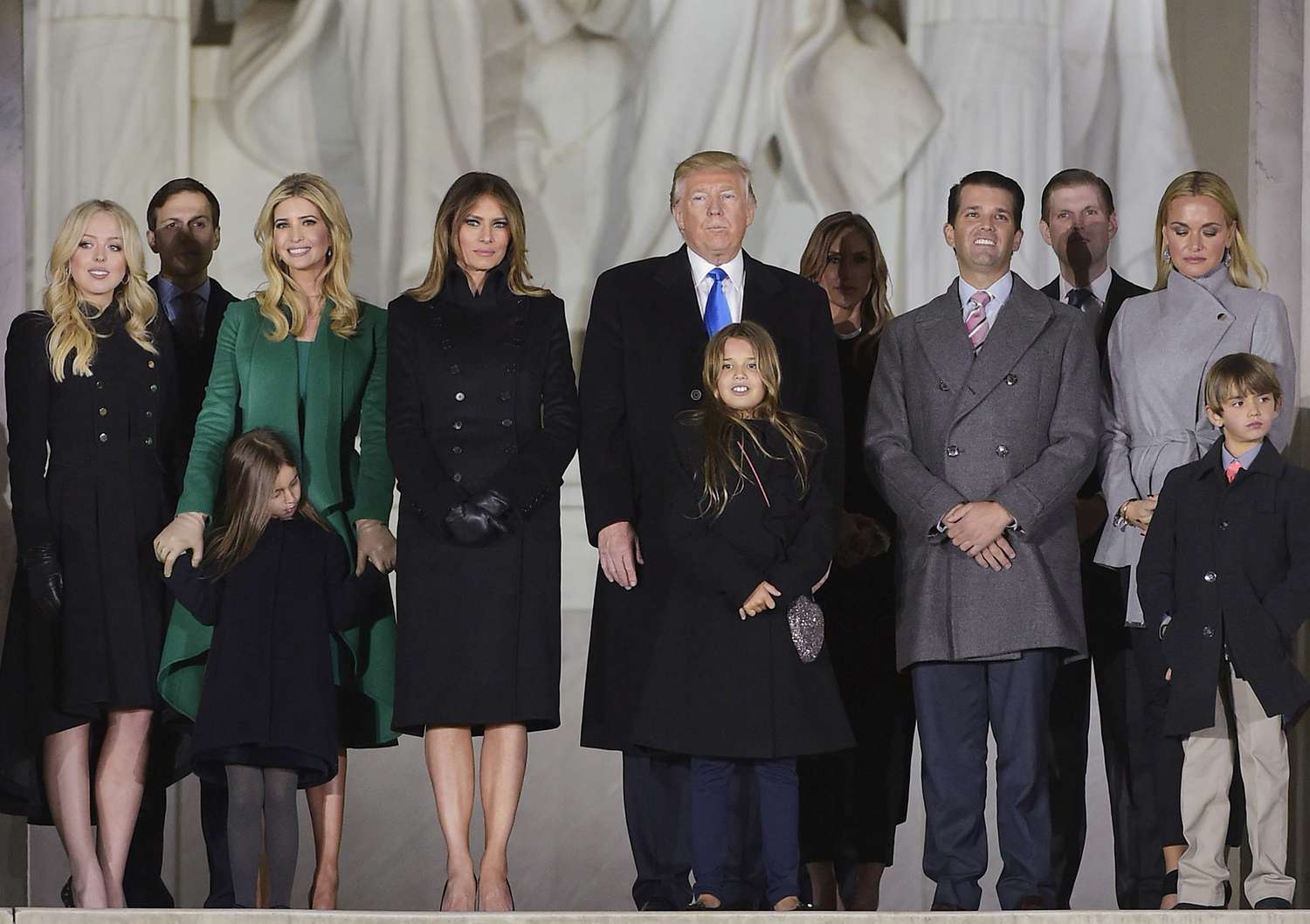
Donald Trump, a name synonymous with real estate, reality television, and politics, presents a complex family tapestry woven with professional and personal threads. His family, deeply enmeshed in his business ventures and political pursuits, forms a network of intricate connections.


By |October 15, 2024|Categories: Article, Family, Politics|Tags: , |0 Comments