Florida’s Barrier Islands: Paradise, Peril, and the Cost of Building on Sand
Florida’s barrier islands look like the kind of place postcards dream of — ribbons of sand lined with turquoise water, winding palms, and skyline views that lure millions of visitors and hundreds of thousands of residents. From Miami Beach to Marco Island, these slivers of paradise offer beauty, lifestyle, and undeniable real estate appeal.
But beneath that beauty lies an unavoidable truth: barrier islands were never meant to be permanent. They shift, reshape, and migrate — and they take everything built on them along for the ride.
According to a comprehensive Miami Herald and Sun Sentinel analysis, Florida now has nearly 765,000 people living on barrier islands, more than any state in the nation. And between 2010 and 2023, populations on these islands grew another 6%, despite worsening climate risks.
The Allure That Won’t Quit
Cross any causeway from the mainland and the atmosphere changes instantly. The breeze cools. The mood lifts. The waves set a slower pace. Sea turtles nest under open skies. It feels like paradise — until storm season arrives.
These islands are nature’s shock absorbers, taking the full force of storm surge and hurricane winds. Historically, native peoples treated them as temporary outposts. Developers, however, saw opportunity. And over the last 150 years, Florida transformed its barrier islands into booming real estate hubs filled with high-rises, hotels, condos, and coastal escapes.
When Buildings Meet Moving Sand
A surprising consequence of this development boom: some high-rise buildings on barrier islands are sinking faster than expected. A University of Miami-led study referenced in the Herald’s coverage identified settlement concerns in several massive coastal towers.
Experts aren’t sounding alarms about immediate structural danger — but long-term maintenance, insurance, and financial impacts could become significant, especially in markets driven by sky-high real estate values.
The Hurricane Trap
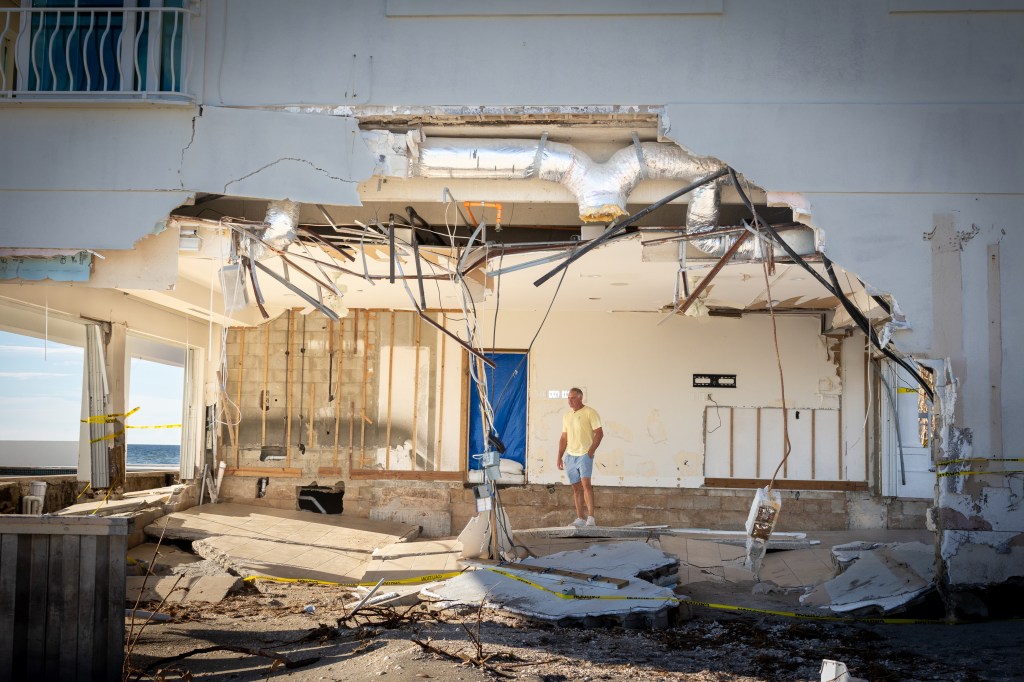
Storms reshape barrier islands with astonishing force. Hurricane Ian shifted entire buildings, swallowed roads, and filled homes with sand. Hurricane Helene even carved a new 130-foot inlet into Siesta Key.
When major storms hit, evacuation routes funnel into limited causeways. Some residents stay behind — a fatal decision for more than 100 Floridians during the 2022 hurricane season.
And the cost? Every eroded beach, lost dune, washed-out bridge, and damaged condo adds to Florida’s already soaring property insurance crisis.
The Billion-Dollar Sand Cycle
You might think beaches are natural. In Florida, most aren’t anymore.
Nearly every grain of sand on Florida’s barrier islands has been placed there — and replaced — through expensive, repeated restoration projects. Miami Beach alone has required frequent replenishment since 1979, costing taxpayers over $130 million across 49 projects. Statewide, more than $2.3 billion has been spent rebuilding beaches that nature continues to reclaim.
The challenge now? High-quality sand is running out, and what remains is costly: $30 to $50 per cubic yard. So Florida’s most iconic beaches must be trucked in from inland mines.
Insurance: Florida’s Breaking Point
The most dramatic consequence of coastal development is playing out statewide through insurance rates. National companies have backed out of Florida almost entirely, leaving small firms and the state-run Citizens Insurance carrying the weight.
Experts warn that a major storm hitting Miami-Dade’s barrier islands could cause insured losses exceeding $200 billion — making it the costliest hurricane in U.S. history. Up to thirty local insurance companies could collapse under the strain, triggering mortgage defaults and reverberations that could hit Wall Street.
This isn’t just a coastal problem; it affects every Florida homeowner.
Adapting, Learning, and Preparing for Tomorrow
City officials, including Miami Beach’s chief resilience officer, emphasize adaptation over retreat. Elevated roads, robust dunes, storm-resistant parks, and stricter building codes aim to protect communities — even if nature’s long-term plan for barrier islands remains unchanged.
For real estate professionals, understanding the complexities of barrier island development isn’t optional anymore — it’s essential. If you’re pursuing or maintaining your Florida real estate license, this topic increasingly appears in continuing education, climate-risk modules, and discussions about ethics, disclosure, and property advisement.
At Cameron Academy, we help new and seasoned professionals stay informed about the evolving risks, responsibilities, and regulations tied to Florida’s most fragile land. Knowledge is one of the strongest tools agents can offer their clients in a market shaped by shifting sands, rising seas, and soaring insurance concerns.
Getting licensed or staying ahead in your career can be a journey—but it doesn’t have to be overwhelming. Grab your favorite coffee or tea, take a moment to relax, and browse through our articles. Whether you’re just starting out or renewing your expertise, we’ve got tips, insights, and advice to keep you moving forward. Here’s to your success—one sip and one step at a time!
The Phoenix housing market continues to outperform the rest of the country, posting stronger sales, rising equity, and an influx of qualified buyers. With closed sales, pending sales, new listings, and median prices all trending upward, the Valley is outpacing national growth by a wide margin. City‑level data shows impressive strength across Scottsdale, Goodyear, Gilbert, Phoenix, and more—making 2025 a powerful year for agents, investors, and professionals watching the Arizona market.
With the 2026 FIFA World Cup and America’s 250th birthday celebrations on the horizon, the U.S. job market is gearing up for a surge across multiple industries. Seasonal, flexible, and part‑time roles are expected to rise—especially for workers 50+ who have struggled in a cooling labor market. From accounting and HR leadership to event staffing and delivery driving, major cities are preparing for increased hiring tied to tourism, infrastructure, and yearlong national celebrations. Many of these fast‑growing roles connect directly to licensing and certification pathways, giving professionals new chances to pivot or upskill through programs offered by Cameron Academy.
Florida is rolling out a new wave of laws on January 1, 2026 that will impact professionals in real estate, insurance, healthcare, education, and other regulated industries. From new insurance rules and healthcare billing requirements to condo association deadlines and statewide databases, these updates reshape compliance expectations across the state. Whether you work in property, finance, or public‑facing services, understanding these changes is essential for staying aligned with Florida’s evolving regulations.
Nearly every commercial real estate professional is expecting a stronger year ahead, with 97% predicting increased or stable activity in 2026, according to Avison Young’s latest outlook. Confidence has surged dramatically since mid‑2025 as strong sales, anticipated rate cuts, and improving fundamentals across key sectors signal that CRE recovery and growth may finally be taking hold.
Dallas‑Fort Worth is finishing 2025 as the nation’s top real estate and business powerhouse, fueled by corporate relocations, a dominant industrial sector, infrastructure megaprojects, and a rapidly evolving workforce landscape. From data center expansion to the launch of the DART Silver Line, the region continues to outpace national trends—while also confronting a growing demand for skilled professionals and licensed talent across construction, real estate, and technical fields.
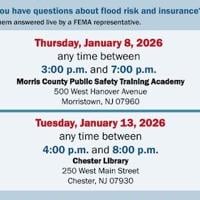
FEMA and the NJDEP have released revised preliminary flood maps for Morris County, reshaping how homeowners, real estate agents, insurers, and mortgage professionals assess flood risk. The updated FIRMs may shift properties into or out of higher‑risk zones, affecting insurance requirements, closing processes, and long‑term property values. With public review and appeals ahead, industry professionals are urged to study the changes now and prepare clients for potential impacts.