Florida’s Citizens Insurance Proposes Rare Rate Cuts for 2026 — Here’s What It Means for You

House keys and miniature home model

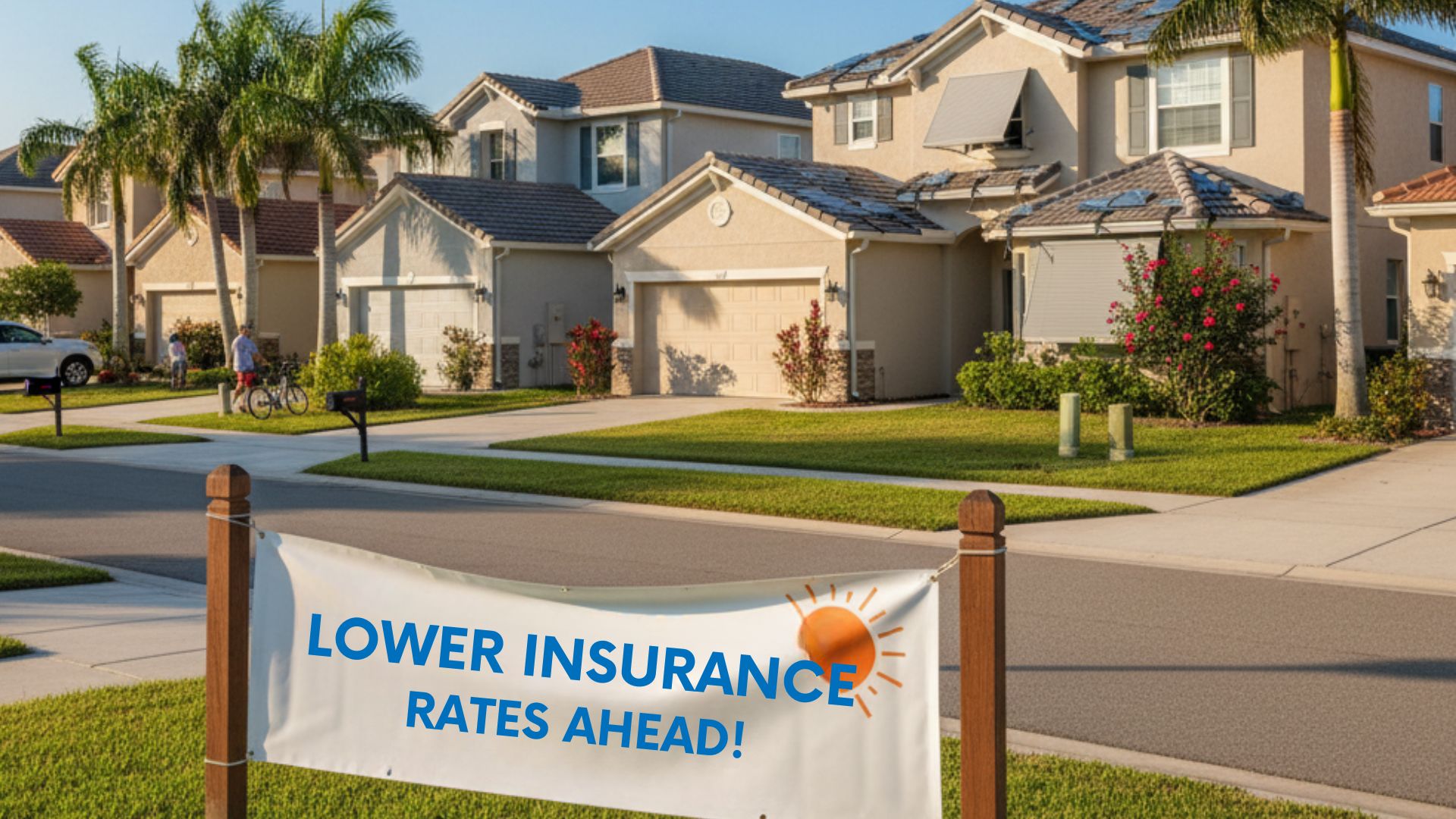
In a surprise move that could reshape Florida’s property insurance landscape, Citizens Property Insurance Corp. is recommending lower rates for many of its policyholders in 2026. For millions of Florida homeowners who’ve watched premiums rise year after year, this news marks a meaningful—and overdue—shift in the state’s insurance narrative.

You can read the original full report at Miami Times Online here: Miami Times Online.

A First in Over a Decade

The Citizens Board of Governors approved the recommended reductions last Wednesday. If the state’s Office of Insurance Regulation approves, it would be the first time since 2015 that policyholders see premiums decrease instead of climb.

Statewide personal-line policies would drop an average of 2.6%. According to Citizens’ official rate kit, three out of five policyholders could see savings as high as 11.5% — roughly $359 annually.

See the County-by-County Breakdown

Citizens has released a full county‑by‑county projection outlining which areas will see decreases and which may still face increases. Explore the full report here: View PDF.

Why Are Rates Going Down?

Citizens officials credit major insurance‑market reforms enacted throughout the decade. These changes, championed by Gov. Ron DeSantis and the Florida Legislature, targeted fraudulent claims and excessive litigation — two long‑standing contributors to market instability.

“Critical reforms… have done what they were supposed to do: provide rate relief to policyholders and stability to the Florida market,” said Citizens CEO Tim Cerio.

Signs of stabilization already show promise. Since these reforms took effect, 17 new insurers have entered the Florida market. Citizens itself has shrunk dramatically — from a record 1.42 million policies in 2023 to just 385,000 this year. More than half a million policies have returned to private insurers.

The Catch: Not Everyone Will See a Decrease

Reductions won’t be universal. Some counties may still experience increases due to risk exposure, claim frequency, or regional vulnerabilities.

This uneven impact highlights Florida’s continuing challenge: balancing affordability with the realities of a storm‑prone, high‑risk property market.

What Happens Next?

The proposed rate cuts will now be reviewed by the Florida Office of Insurance Regulation, which will hold public hearings before issuing a final ruling. If approved, the new rates would take effect June 1, 2026.

Why This Matters for Real Estate and Insurance Professionals

Lower premiums could reignite Florida’s real estate market — particularly in coastal and high‑risk zones where high insurance rates have discouraged buyers. For real estate agents, insurance professionals, and mortgage specialists, understanding these shifts is essential for guiding clients through 2025 and beyond.

For those entering the industry or expanding their credentials, Cameron Academy continues to support Florida’s growing workforce with licensing programs in real estate, insurance, mortgage, and more — ensuring professionals stay prepared as the market evolves.

Final Takeaway

The proposed 2026 Citizens rate cuts signal cautious optimism for Florida’s property market. After years of volatility, the landscape finally shows signs of stabilizing — and for many Floridians, meaningful relief could be just months away.


More Articles

Getting licensed or staying ahead in your career can be a journey—but it doesn’t have to be overwhelming. Grab your favorite coffee or tea, take a moment to relax, and browse through our articles. Whether you’re just starting out or renewing your expertise, we’ve got tips, insights, and advice to keep you moving forward. Here’s to your success—one sip and one step at a time!

Florida Homeowners See Major Spring Insurance Savings as Market Finally Stabilizes

Florida homeowners are getting long‑awaited relief this spring as insurance premiums drop across the state, with some counties seeing reductions of up to 14 percent. After years of skyrocketing rates and insurer withdrawals, a series of legislative reforms has attracted new companies, reduced lawsuits, and restored competition—leading to lower costs for more than 330,000 Citizens policyholders and multiple private‑market rate cuts. This shift is boosting not only homeowners, but also Florida’s broader economy and real estate market, offering valuable insights for professionals in real estate, insurance, mortgage, and finance.

AI Listing Images Are Creating a New Trust Problem in Real Estate

Artificial intelligence has transformed real estate marketing by making it easy to generate polished, digitally enhanced listing photos. But as AI tools increasingly replace reality with idealized versions of homes, a new issue has emerged: housefishing. Buyers and renters are showing up to properties that look nothing like the online images, leading regulators to step in and require transparency. With laws like California’s newly enacted Assembly Bill 723, the industry is being pushed toward clearer labeling and ethical use of AI. As trust becomes a growing concern, real estate professionals must balance innovation with accuracy to stay compliant and credible.

Massachusetts Moves to Strengthen Fair Housing Training for Real Estate Agents

Massachusetts has unanimously advanced bill S.2947, a major push to curb housing discrimination by expanding fair housing education requirements for real estate agents. The proposal increases training hours for both current and future licensees and doubles penalties for violations, marking a significant shift toward stronger consumer protections and higher professional standards across the state’s housing market.

How Rising Energy Costs Are Quietly Reshaping the Hudson Valley Real Estate Market

Energy costs have moved from a background expense to a major force influencing affordability, property values, and development across the Hudson Valley. Aging housing stock, grid constraints, and rising utility bills are reshaping both residential and commercial real estate decisions—rewarding energy‑efficient properties and pressuring households already struggling to balance essential expenses.

How AI Is Becoming the New Power Tool for Real Estate Professionals

AI is transforming the daily workflow of real estate pros by speeding up marketing, simplifying client communication, and sharpening pricing strategies. As highlighted in an NBC 6 feature, agents are using AI to draft listing descriptions, generate social media content, organize inquiries, and analyze market data in minutes. Whether you're new to the industry or an experienced agent, AI is quickly becoming an essential tool for working smarter and staying competitive.

14-Hour CE Renewal for Florida Real Estate: Choose Your Learning Style