Florida’s Great Tax Shake-Up: Why 2026 Could Rewrite the Rules for Homeowners
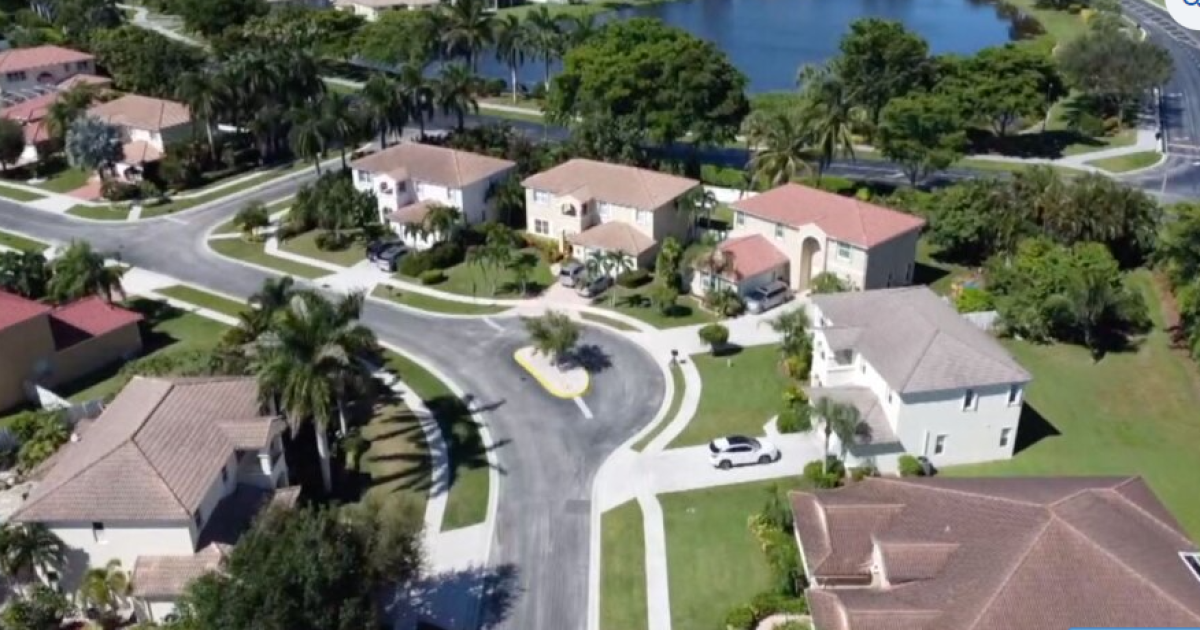
Florida property taxes may soon undergo the biggest transformation in decades. State leaders, including Gov. Ron DeSantis and several high‑profile lawmakers, are pushing proposals that could drastically reduce—or even eliminate—property taxes as early as 2026. For homeowners, real estate professionals, and anyone tied to Florida’s booming housing market, this debate is more than political theater. It’s a potential financial earthquake.
A Battle Brewing Since 2025
The conversation first ignited in early 2025 when lawmakers floated the idea of cutting into Florida’s massive property tax revenue—currently hovering near $60 billion statewide. State Rep. Toby Overdorf of Stuart quickly became one of the loudest advocates, arguing that Florida can “pull back” local government revenues while maintaining essential public services.
Quote Spotlight
“I sincerely believe there is some opportunity now for a pullback of that revenue in local government and still receive the same services.”
– Rep. Toby Overdorf
However, many Floridians are already feeling the strain of rising tax bills. Some who moved inland in search of lower tax burdens—such as residents in St. Lucie County—were shocked to find that their costs were not lower, and in some cases, significantly higher.
Local Officials Push Back Hard
City and county leaders across Florida haven’t held back their concerns. Many warn that slashing property taxes could destabilize crucial public services including police, fire rescue, EMS, libraries, and community recreation programs. Palm Beach Gardens Council member Chelsea Reed stressed that basic community safety is at stake.
Community Concerns
“The ability to ensure that we have police, fire and emergency services to get to our residents quickly would change, the ability to provide recreation would change.”
– Chelsea Reed, Palm Beach Gardens Council Member
Lake Worth Beach Mayor Betty Resch offered an even sharper critique, questioning whether lawmakers expect local governments to fund themselves with bake sales, garage events, and community fundraisers.
A Budget Battle at the State Level
Tensions escalated further when Florida CFO Blaise Ingoglia accused Palm Beach County of overspending by $344 million—an allegation county officials strongly dispute. As both sides plant their flags, this debate has become one of the most closely watched fiscal issues in the state.
What Could Replace Property Taxes?
Some speculate that a higher state sales tax might fill the revenue gap, though no official proposal has been introduced. As the 2026 legislative session approaches, both supporters and opponents are preparing for a political showdown that could redefine how Florida funds its cities, counties, and essential services.
For Real Estate Pros
If you work in Florida real estate, mortgage, insurance, or related fields, this isn’t just another policy debate—it’s a shift that could reshape buyer behavior, investment strategies, and long‑term affordability. Staying educated is essential, and schools like Cameron Academy continue helping professionals stay ahead of market‑shaping policy changes.
This story was originally reported on-air by WPTV and adapted for this format with the assistance of AI, with all facts verified by the originating newsroom.
More Articles
Getting licensed or staying ahead in your career can be a journey—but it doesn’t have to be overwhelming. Grab your favorite coffee or tea, take a moment to relax, and browse through our articles. Whether you’re just starting out or renewing your expertise, we’ve got tips, insights, and advice to keep you moving forward. Here’s to your success—one sip and one step at a time!
Despite billions poured into proptech and a decade of flashy digital upgrades, the real estate experience remains largely unchanged. Apps made processes smoother, but not more transparent — because the industry’s core structures, data control and power dynamics stayed the same. True disruption will come from platforms that shift information and control to consumers, not just digitize outdated systems.
Early 2026 is delivering a clear message: commercial real estate is entering a recalibration phase. Construction is softening, pending home sales just saw a sharp drop, consumer sentiment is inching upward but remains fragile, and capital markets are tightening as major CRE sectors face rising distress. From data centers powering ahead to CMBS foreclosures climbing and office-to-residential conversions gaining momentum, professionals across real estate, mortgage, insurance, and finance need to stay sharp as the industry shifts.
Discover the real estate roles earning the biggest paychecks in 2026. From investment consultants to commercial leasing managers, this breakdown highlights the salaries, responsibilities, and career paths offering the strongest financial potential in today’s evolving market—perfect for newcomers and seasoned professionals mapping their next big move.
Montana is taking major steps to remove outdated licensing barriers and strengthen its workforce. Governor Greg Gianforte has created a new Licensing Reform Task Force aimed at modernizing regulations, speeding up approvals, and helping more professionals enter high‑demand fields like construction and healthcare. With licensing numbers doubling over the past decade and rural communities facing critical shortages, the state is pushing for faster, more efficient pathways to work. The task force begins meeting in February and will deliver its full reform report by September 2026 — a move that could influence licensing modernization efforts nationwide.
Artificial intelligence has officially moved from novelty to necessity in the real estate world. According to new industry data, 97% of brokerage leaders say their agents now rely on AI tools for everything from listing descriptions to full-scale marketing campaigns. As adoption skyrockets, so do concerns over training, accuracy, and compliance — especially among smaller firms. The message is clear: for today’s real estate professionals, AI literacy isn’t optional anymore.
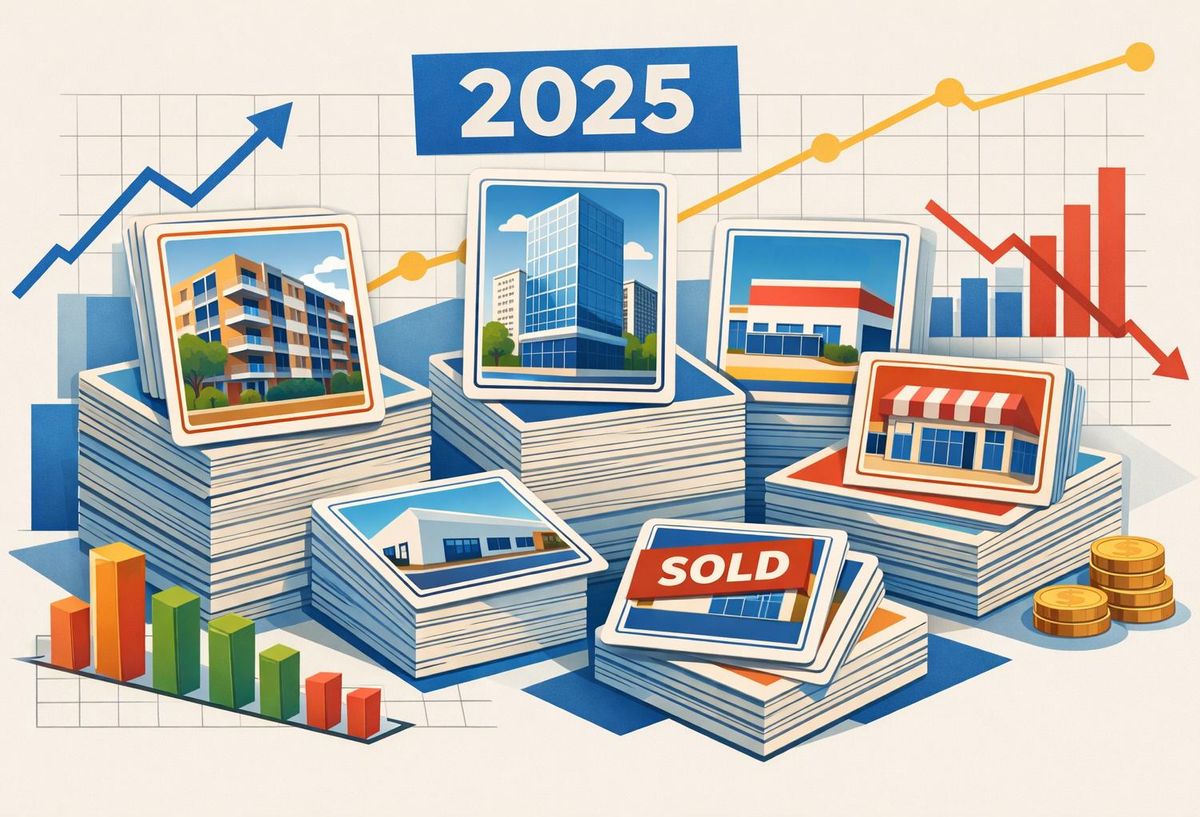
Commercial real estate roared back to life in 2025, with more than $255B pouring into multifamily, industrial, office and retail assets. Major investors moved fast on falling interest rates, improving bond yields and rising confidence across sectors. Multifamily dominated with over $115B in deals, industrial surged under private equity leadership, office saw renewed activity from owner-users and retail proved surprisingly resilient. For today’s real estate and finance professionals, the message is clear: opportunity favors those who stay informed and ready to act.