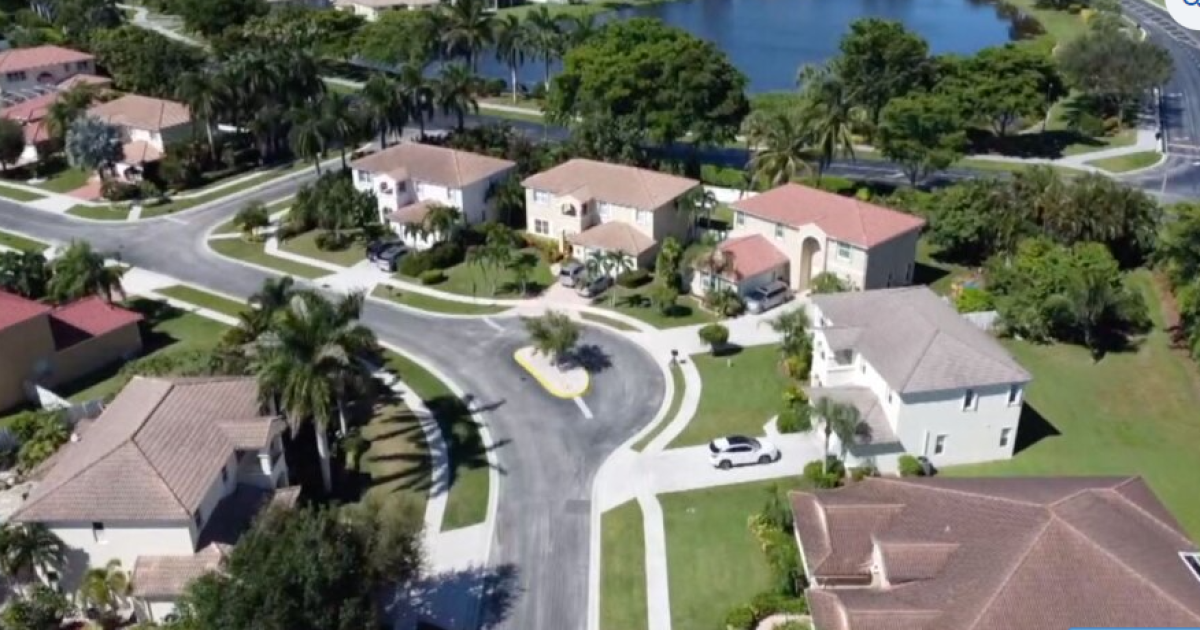
Florida’s Great Tax Shake-Up: Why 2026 Could Rewrite the Rules for Homeowners
Florida property taxes may soon undergo the biggest transformation in decades. State leaders, including Gov. Ron DeSantis and several high‑profile lawmakers, are pushing proposals that could drastically reduce—or even eliminate—property taxes as early as 2026. For homeowners, real estate professionals, and anyone tied to Florida’s booming housing market, this debate is more than political theater. It’s a potential financial earthquake.
A Battle Brewing Since 2025
The conversation first ignited in early 2025 when lawmakers floated the idea of cutting into Florida’s massive property tax revenue—currently hovering near $60 billion statewide. State Rep. Toby Overdorf of Stuart quickly became one of the loudest advocates, arguing that Florida can “pull back” local government revenues while maintaining essential public services.
Quote Spotlight
“I sincerely believe there is some opportunity now for a pullback of that revenue in local government and still receive the same services.”
– Rep. Toby Overdorf
However, many Floridians are already feeling the strain of rising tax bills. Some who moved inland in search of lower tax burdens—such as residents in St. Lucie County—were shocked to find that their costs were not lower, and in some cases, significantly higher.
Local Officials Push Back Hard
City and county leaders across Florida haven’t held back their concerns. Many warn that slashing property taxes could destabilize crucial public services including police, fire rescue, EMS, libraries, and community recreation programs. Palm Beach Gardens Council member Chelsea Reed stressed that basic community safety is at stake.
Community Concerns
“The ability to ensure that we have police, fire and emergency services to get to our residents quickly would change, the ability to provide recreation would change.”
– Chelsea Reed, Palm Beach Gardens Council Member
Lake Worth Beach Mayor Betty Resch offered an even sharper critique, questioning whether lawmakers expect local governments to fund themselves with bake sales, garage events, and community fundraisers.
A Budget Battle at the State Level
Tensions escalated further when Florida CFO Blaise Ingoglia accused Palm Beach County of overspending by $344 million—an allegation county officials strongly dispute. As both sides plant their flags, this debate has become one of the most closely watched fiscal issues in the state.
What Could Replace Property Taxes?
Some speculate that a higher state sales tax might fill the revenue gap, though no official proposal has been introduced. As the 2026 legislative session approaches, both supporters and opponents are preparing for a political showdown that could redefine how Florida funds its cities, counties, and essential services.
For Real Estate Pros
If you work in Florida real estate, mortgage, insurance, or related fields, this isn’t just another policy debate—it’s a shift that could reshape buyer behavior, investment strategies, and long‑term affordability. Staying educated is essential, and schools like Cameron Academy continue helping professionals stay ahead of market‑shaping policy changes.
This story was originally reported on-air by WPTV and adapted for this format with the assistance of AI, with all facts verified by the originating newsroom.
More Articles
Getting licensed or staying ahead in your career can be a journey—but it doesn’t have to be overwhelming. Grab your favorite coffee or tea, take a moment to relax, and browse through our articles. Whether you’re just starting out or renewing your expertise, we’ve got tips, insights, and advice to keep you moving forward. Here’s to your success—one sip and one step at a time!
Artificial intelligence has shifted from a novelty to a defining force in real estate, transforming everything from listing creation to virtual staging while raising new legal and ethical risks. As AI adoption accelerates, experts warn that the agents who embrace automation and new tools now will gain a major competitive edge, while those who delay could fall behind in a rapidly evolving industry.
As AI and automation reshape the workforce, one form of career protection remains as powerful as ever: earning a state license. From real estate to trades to finance, licensed professionals stay in high demand because their work requires proven competence, accountability and human judgment—qualities technology can enhance but never replace. With trade enrollment surging, investor interest growing and licensing on the rise across the country, credentials have become a reliable path to stability, mobility and long-term earning potential.
A new wave of AI platforms is redefining how real estate agents identify buyer intent, spark conversations, and nurture relationships. From conversational home search engines to predictive opportunity alerts and relationship‑intelligence systems, these tools are helping agents connect sooner and smarter—reshaping daily workflows as the 2026 market approaches.
Texas money is riding hard into San Francisco, snapping up distressed downtown buildings at prices not seen in decades. From Union Square to California Street, major players like Lone Star Funds are betting big on the city’s rebound, signaling that the market may have finally hit bottom and that a new wave of opportunity is taking shape for savvy real estate professionals nationwide.
The 2025 holiday season is expected to break the $1 trillion sales mark, but economists say the milestone masks deeper consumer caution, income‑driven spending gaps, and weakening unit sales. Urban Land Magazine’s latest analysis shows how these mixed signals are shaping a selective, uneven landscape for U.S. commercial real estate heading into 2026—where strong locations thrive, weaker assets struggle, and affluent shoppers continue to dictate market performance.
As 2025 ends, the housing market is inching toward balance with slower price growth, rising inventory, and steadier mortgage rates. Experts predict modest 1% to 2% home‑price growth in 2026—not a crash, but a calmer, more predictable market shaped by regional differences. With the Fed easing rates and inventory climbing in key cities, 2026 may become the most buyer‑friendly year in recent memory, especially for those prepared to act when the right home appears.