Florida’s Great Tax Shake-Up: Why 2026 Could Rewrite the Rules for Homeowners
Florida property taxes may soon undergo the biggest transformation in decades. State leaders, including Gov. Ron DeSantis and several high‑profile lawmakers, are pushing proposals that could drastically reduce—or even eliminate—property taxes as early as 2026. For homeowners, real estate professionals, and anyone tied to Florida’s booming housing market, this debate is more than political theater. It’s a potential financial earthquake.
A Battle Brewing Since 2025
The conversation first ignited in early 2025 when lawmakers floated the idea of cutting into Florida’s massive property tax revenue—currently hovering near $60 billion statewide. State Rep. Toby Overdorf of Stuart quickly became one of the loudest advocates, arguing that Florida can “pull back” local government revenues while maintaining essential public services.
Quote Spotlight
“I sincerely believe there is some opportunity now for a pullback of that revenue in local government and still receive the same services.”
– Rep. Toby Overdorf
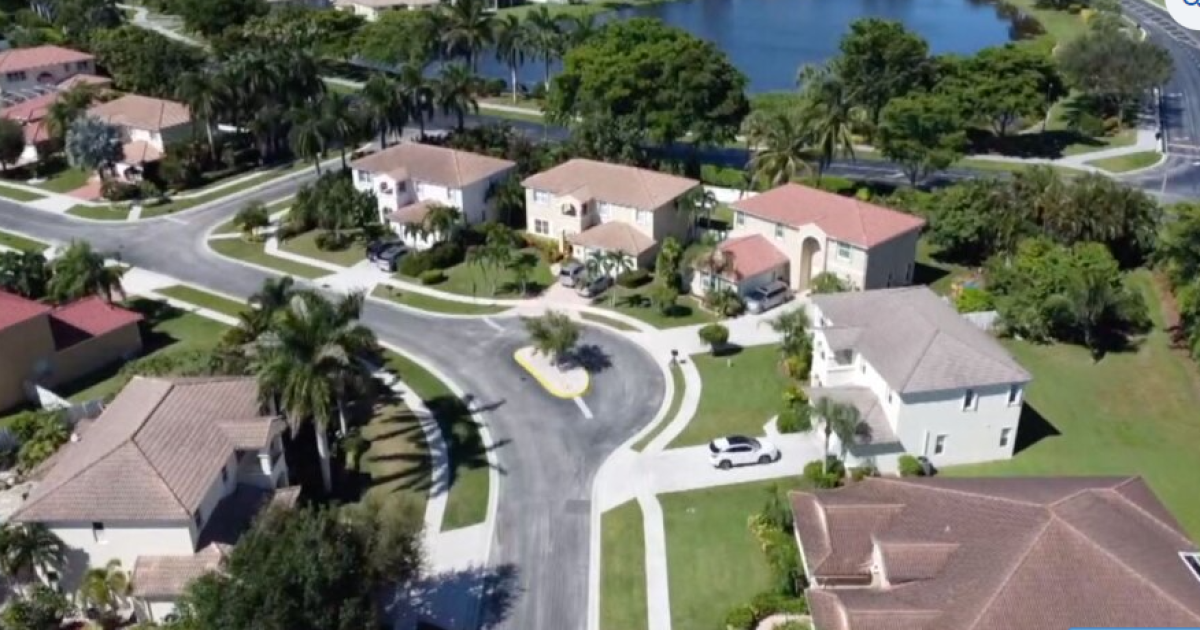
However, many Floridians are already feeling the strain of rising tax bills. Some who moved inland in search of lower tax burdens—such as residents in St. Lucie County—were shocked to find that their costs were not lower, and in some cases, significantly higher.
Local Officials Push Back Hard
City and county leaders across Florida haven’t held back their concerns. Many warn that slashing property taxes could destabilize crucial public services including police, fire rescue, EMS, libraries, and community recreation programs. Palm Beach Gardens Council member Chelsea Reed stressed that basic community safety is at stake.
Community Concerns
“The ability to ensure that we have police, fire and emergency services to get to our residents quickly would change, the ability to provide recreation would change.”
– Chelsea Reed, Palm Beach Gardens Council Member
Lake Worth Beach Mayor Betty Resch offered an even sharper critique, questioning whether lawmakers expect local governments to fund themselves with bake sales, garage events, and community fundraisers.
A Budget Battle at the State Level
Tensions escalated further when Florida CFO Blaise Ingoglia accused Palm Beach County of overspending by $344 million—an allegation county officials strongly dispute. As both sides plant their flags, this debate has become one of the most closely watched fiscal issues in the state.
What Could Replace Property Taxes?
Some speculate that a higher state sales tax might fill the revenue gap, though no official proposal has been introduced. As the 2026 legislative session approaches, both supporters and opponents are preparing for a political showdown that could redefine how Florida funds its cities, counties, and essential services.
For Real Estate Pros
If you work in Florida real estate, mortgage, insurance, or related fields, this isn’t just another policy debate—it’s a shift that could reshape buyer behavior, investment strategies, and long‑term affordability. Staying educated is essential, and schools like Cameron Academy continue helping professionals stay ahead of market‑shaping policy changes.
This story was originally reported on-air by WPTV and adapted for this format with the assistance of AI, with all facts verified by the originating newsroom.
More Articles
Getting licensed or staying ahead in your career can be a journey—but it doesn’t have to be overwhelming. Grab your favorite coffee or tea, take a moment to relax, and browse through our articles. Whether you’re just starting out or renewing your expertise, we’ve got tips, insights, and advice to keep you moving forward. Here’s to your success—one sip and one step at a time!
After nearly 20 years under uniquely harsh lending rules, Florida may finally see its condo market freed from a 25% down payment requirement imposed only on the state. Industry leaders say Fannie Mae could announce changes as early as December—potentially restoring the standard 10% down payment used everywhere else in the country. Experts believe the shift would boost maintenance funding, improve affordability, and stabilize Florida’s condo market after years of strain.
Phoenix’s commercial real estate market is shaking off years of uncertainty as broker optimism hits its highest level since interest rates began climbing. The latest ASU Commercial Broker Sentiment Index soared to 62.7, signaling strong confidence across multifamily, retail, office, and capital markets. With population growth accelerating, interest rates easing, and AI boosting industry efficiency, Phoenix is positioning itself for a powerful run into 2026—offering meaningful opportunities for both new and seasoned real estate professionals.
Michigan’s House Rules Committee heard testimony on a proposal that would let licensed professionals complete all required continuing education online. Supporters say the change would modernize outdated rules, reduce costs, and improve access for rural and busy workers. The state licensing department backs the measure, and lawmakers noted it could reshape CE options across industries from real estate to insurance and healthcare.
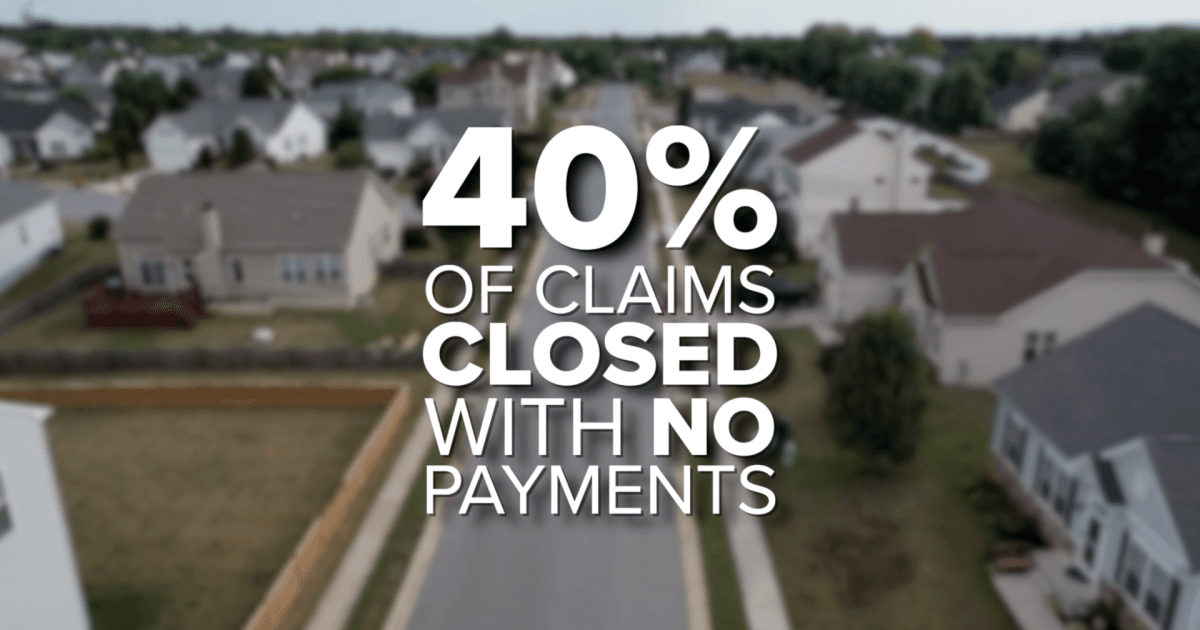
Florida homeowners are now paying an average of $5,838 per year for insurance — nearly $3,000 above the national average — making it one of the most expensive states in the country. As premiums continue to triple for some residents, many are being forced into tough decisions, from delaying home improvements to dropping coverage altogether. With more than 40% of claims closed with no payment and lawmakers pushing for aggressive reforms, the crisis is reshaping Florida’s housing market and placing growing pressure on real estate, mortgage, and insurance professionals statewide.
Griffin Funding has elevated John Jones to Senior Vice President of Growth and EOS Integrator, marking a major step in the company’s long-term expansion strategy. Already a key operational leader since April 2025, Jones will now drive performance optimization, market expansion, and leadership development as the lender pursues an ambitious goal of reaching $3 billion in annual non-QM loan volume by 2030. His promotion underscores Griffin Funding’s commitment to scaling strategically while strengthening its position in the fast-growing non-QM space.
Despite recent Federal Reserve rate cuts, commercial real estate remains frozen. Long‑term Treasury yields continue to climb, keeping borrowing costs high and preventing the relief investors expected. With nearly $1 trillion in commercial loans coming due, refinancing at today’s elevated rates is squeezing owners, slowing transactions, and creating a widening gap between buyers and sellers. For patient, well‑capitalized investors, this period of recalibration may offer some of the strongest opportunities in years.