Florida’s Home Insurance Crisis Reaches a Breaking Point
Florida homeowners are facing some of the highest insurance premiums in the nation, and fresh data is painting an even clearer picture of how sharply the landscape has shifted. According to a new Bankrate.com report, the average homeowner in the state now pays $5,838 per year—nearly $3,000 more than the typical American household.
For many Floridians, these numbers are more than statistics. They represent a growing financial burden affecting families, retirees, investors, and everyday homeowners who are being forced into tough financial choices.
Interactive: Explore the Original WPTV Report
Tap to dive deeper into WPTV’s full investigation on Florida’s rising insurance premiums.
“Everything’s Tripled”: Homeowners Speak Out
West Palm Beach resident Jeff Heun saw his homeowner’s insurance steadily increase from about $3,400 a year to nearly three times that amount—despite never filing a claim.
“Oh yeah, everything’s tripled,” Heun told WPTV. He even avoided using his insurance altogether out of fear that a single claim would cause his premiums to skyrocket.
Other residents describe a similar squeeze: mandatory windstorm coverage, rising deductibles, and limited insurer options have narrowed the choices available to Florida families.
When Claims Fall Short
For some Floridians, the pain doesn’t stop at high premiums—it extends to the claims process itself. In Loxahatchee, Bob and Pam Fix suffered more than $40,000 in tornado damage. Their insurer initially offered a mere $4,500, later raising it to $7,000.
After WPTV investigative reporter Kate Hussey stepped in, the Fix family finally received their full approved amount of $41,000.
See How WPTV Helped a Family Get Justice
View the full investigative breakdown here.
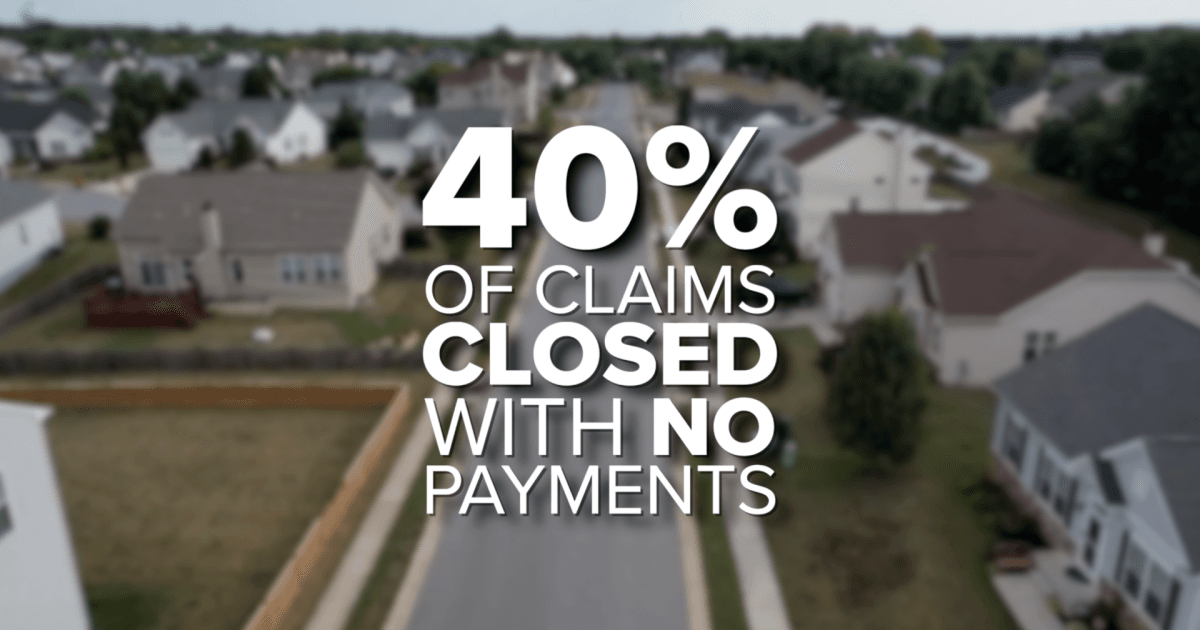
Recent data shows Florida has one of the highest rates of denied homeowner claims—over 40% are closed with no payout. The state also leads the nation in policy nonrenewals, with insurers dropping 3.3% of homeowners.
Calls for Reform Grow Louder
Dr. Martin Weiss of Weiss Ratings warns the situation will continue to deteriorate without meaningful reform. Weiss, alongside State Senator Carlos Guillermo Smith, is pushing for stricter oversight between insurers and managing general agents.
Smith argues that inflated fees are “padding pockets” while placing crushing burdens on Floridians paying the country’s highest insurance costs.
Proposed reforms include:
Capping yearly premium increases between 10–15%
Removing taxes on impact-resistant home upgrades
Increasing accountability and transparency for insurance carriers
With Florida’s political climate and Republican supermajority, the legislative battle ahead is expected to be intense—but the pressure to act has never been greater.
The Bigger Picture for Real Estate Professionals
This insurance instability affects far more than homeowners. Real estate agents, mortgage lenders, insurance professionals, and property managers must constantly adapt as premiums influence affordability, market competitiveness, and long-term value.
For professionals advancing in these fields, staying informed is essential. Institutions like Cameron Academy equip current and aspiring industry experts with the knowledge they need to navigate changing markets, evolving regulations, and the financial realities facing today’s consumers.
As lawmakers debate solutions in Tallahassee, one truth stands strong: the future of Florida’s housing market—and the careers built around it—depends on the reforms that come next.
More Articles
Getting licensed or staying ahead in your career can be a journey—but it doesn’t have to be overwhelming. Grab your favorite coffee or tea, take a moment to relax, and browse through our articles. Whether you’re just starting out or renewing your expertise, we’ve got tips, insights, and advice to keep you moving forward. Here’s to your success—one sip and one step at a time!
In 2026, financial advisors are no longer just experimenting with AI — they’re relying on it. Once confined to back-office duties, AI now supports meeting prep, portfolio analysis, and even early-stage financial planning. Advisors say the tech is strengthening client relationships by freeing them from administrative overload, though entry-level roles like paraplanners may feel the squeeze as automation accelerates.
Cybercriminals are weaponizing AI to launch highly convincing email scams and system breaches across the mortgage industry, overwhelming lenders and servicers whose cybersecurity measures can’t keep up. With major companies already hit and regulation lagging behind, experts warn the sector—now considered critical infrastructure—must rapidly upgrade protections, collaborate on threat intelligence, and improve AI governance before the risks escalate further.
Escrow payments are quietly surging across the country as property taxes and insurance premiums spike—pushing many homeowners toward delinquencies and even foreclosure. New data from Cotality shows the sharpest increases hitting the South and Midwest, with Florida among the hardest‑hit states. Even with fixed mortgage rates, rising escrow requirements are driving monthly payments higher and threatening affordability heading into 2026.
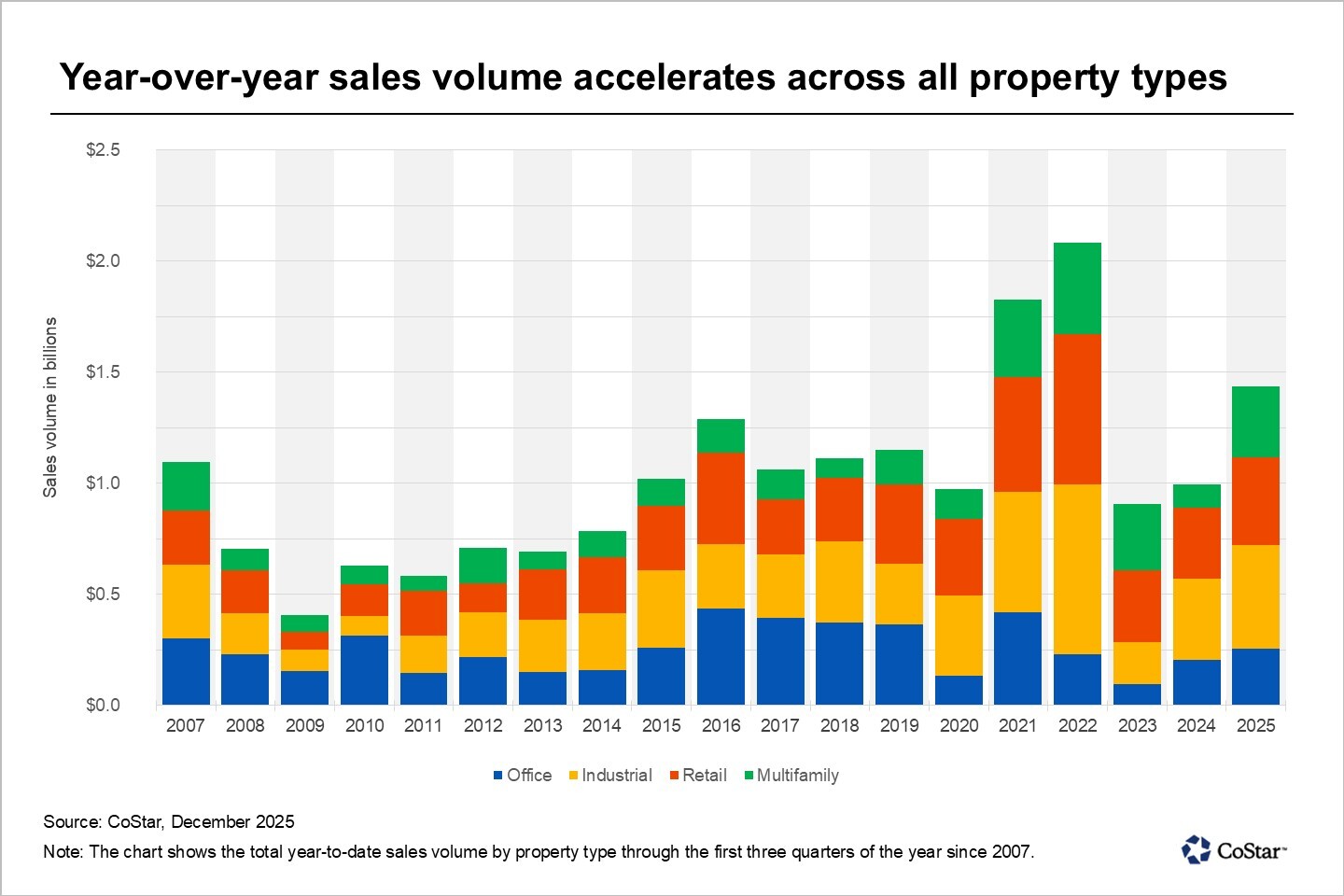
Milwaukee entered 2025 with renewed momentum, posting its strongest commercial real estate sales volume in three years. After a period of uncertainty and high capital costs, investors are returning with a sharper focus on quality assets, realistic pricing, and reliable cash flow. Activity is increasing across industrial, office, multifamily, and retail sectors, signaling a broad-based recovery fueled by stabilizing interest rates and improved market confidence.
As 2026 approaches, the title insurance industry is navigating a complex mix of market recovery, rising fraud threats, and sweeping regulatory changes. Industry leaders say the path forward centers on smarter technology, leaner operations, and stronger support for title agents. With AI-driven workflows, enhanced fraud prevention, and new compliance demands—including FinCEN’s expanded Geographic Targeting Orders—companies like Stewart and First American are reshaping how title work gets done. For real estate and mortgage professionals, the year ahead promises more automation, heightened standards, and major opportunities for those who stay ahead of the curve.
The real estate industry is undergoing a major transformation in 2025 as advancements in AI, proptech, blockchain, and data intelligence redefine how properties are marketed, valued, financed, and experienced. From instant digital valuations and immersive virtual tours to tokenized investments and predictive analytics, technology is reshaping every stage of the real estate lifecycle. Professionals who embrace these innovations—while maintaining the human expertise clients still rely on—will lead the next era of the industry.