Florida’s Home Insurance Crisis Reaches a Breaking Point
Florida homeowners are facing some of the highest insurance premiums in the nation, and fresh data is painting an even clearer picture of how sharply the landscape has shifted. According to a new Bankrate.com report, the average homeowner in the state now pays $5,838 per year—nearly $3,000 more than the typical American household.
For many Floridians, these numbers are more than statistics. They represent a growing financial burden affecting families, retirees, investors, and everyday homeowners who are being forced into tough financial choices.
Interactive: Explore the Original WPTV Report
Tap to dive deeper into WPTV’s full investigation on Florida’s rising insurance premiums.
“Everything’s Tripled”: Homeowners Speak Out
West Palm Beach resident Jeff Heun saw his homeowner’s insurance steadily increase from about $3,400 a year to nearly three times that amount—despite never filing a claim.
“Oh yeah, everything’s tripled,” Heun told WPTV. He even avoided using his insurance altogether out of fear that a single claim would cause his premiums to skyrocket.
Other residents describe a similar squeeze: mandatory windstorm coverage, rising deductibles, and limited insurer options have narrowed the choices available to Florida families.
When Claims Fall Short
For some Floridians, the pain doesn’t stop at high premiums—it extends to the claims process itself. In Loxahatchee, Bob and Pam Fix suffered more than $40,000 in tornado damage. Their insurer initially offered a mere $4,500, later raising it to $7,000.
After WPTV investigative reporter Kate Hussey stepped in, the Fix family finally received their full approved amount of $41,000.
See How WPTV Helped a Family Get Justice
View the full investigative breakdown here.
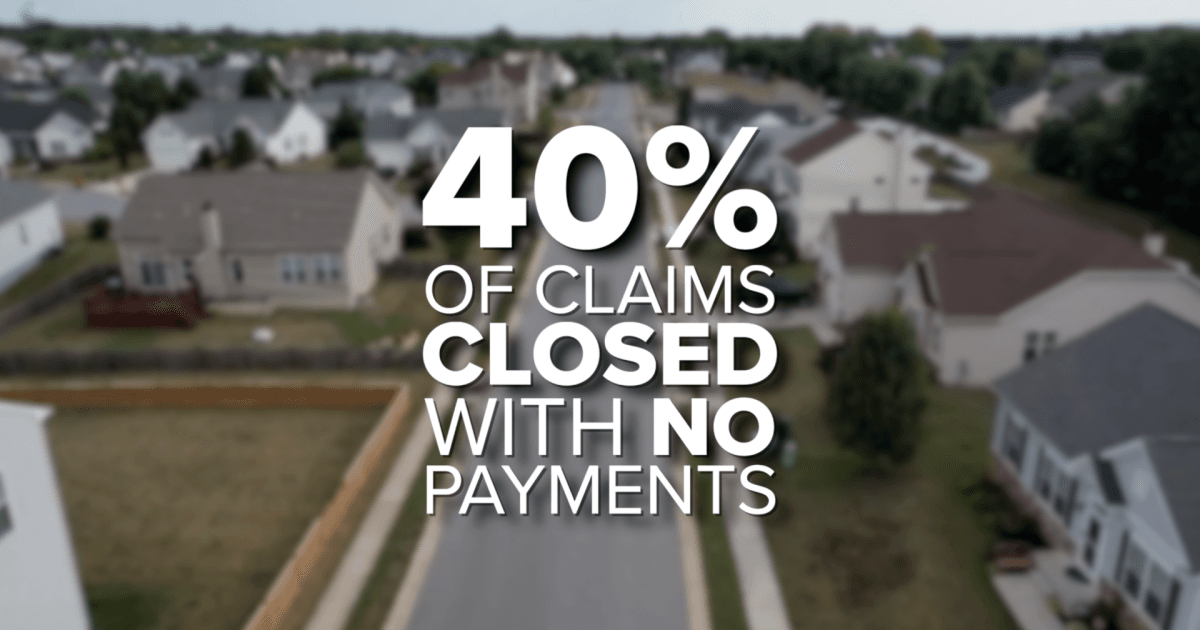
Recent data shows Florida has one of the highest rates of denied homeowner claims—over 40% are closed with no payout. The state also leads the nation in policy nonrenewals, with insurers dropping 3.3% of homeowners.
Calls for Reform Grow Louder
Dr. Martin Weiss of Weiss Ratings warns the situation will continue to deteriorate without meaningful reform. Weiss, alongside State Senator Carlos Guillermo Smith, is pushing for stricter oversight between insurers and managing general agents.
Smith argues that inflated fees are “padding pockets” while placing crushing burdens on Floridians paying the country’s highest insurance costs.
Proposed reforms include:
Capping yearly premium increases between 10–15%
Removing taxes on impact-resistant home upgrades
Increasing accountability and transparency for insurance carriers
With Florida’s political climate and Republican supermajority, the legislative battle ahead is expected to be intense—but the pressure to act has never been greater.
The Bigger Picture for Real Estate Professionals
This insurance instability affects far more than homeowners. Real estate agents, mortgage lenders, insurance professionals, and property managers must constantly adapt as premiums influence affordability, market competitiveness, and long-term value.
For professionals advancing in these fields, staying informed is essential. Institutions like Cameron Academy equip current and aspiring industry experts with the knowledge they need to navigate changing markets, evolving regulations, and the financial realities facing today’s consumers.
As lawmakers debate solutions in Tallahassee, one truth stands strong: the future of Florida’s housing market—and the careers built around it—depends on the reforms that come next.
More Articles
Getting licensed or staying ahead in your career can be a journey—but it doesn’t have to be overwhelming. Grab your favorite coffee or tea, take a moment to relax, and browse through our articles. Whether you’re just starting out or renewing your expertise, we’ve got tips, insights, and advice to keep you moving forward. Here’s to your success—one sip and one step at a time!
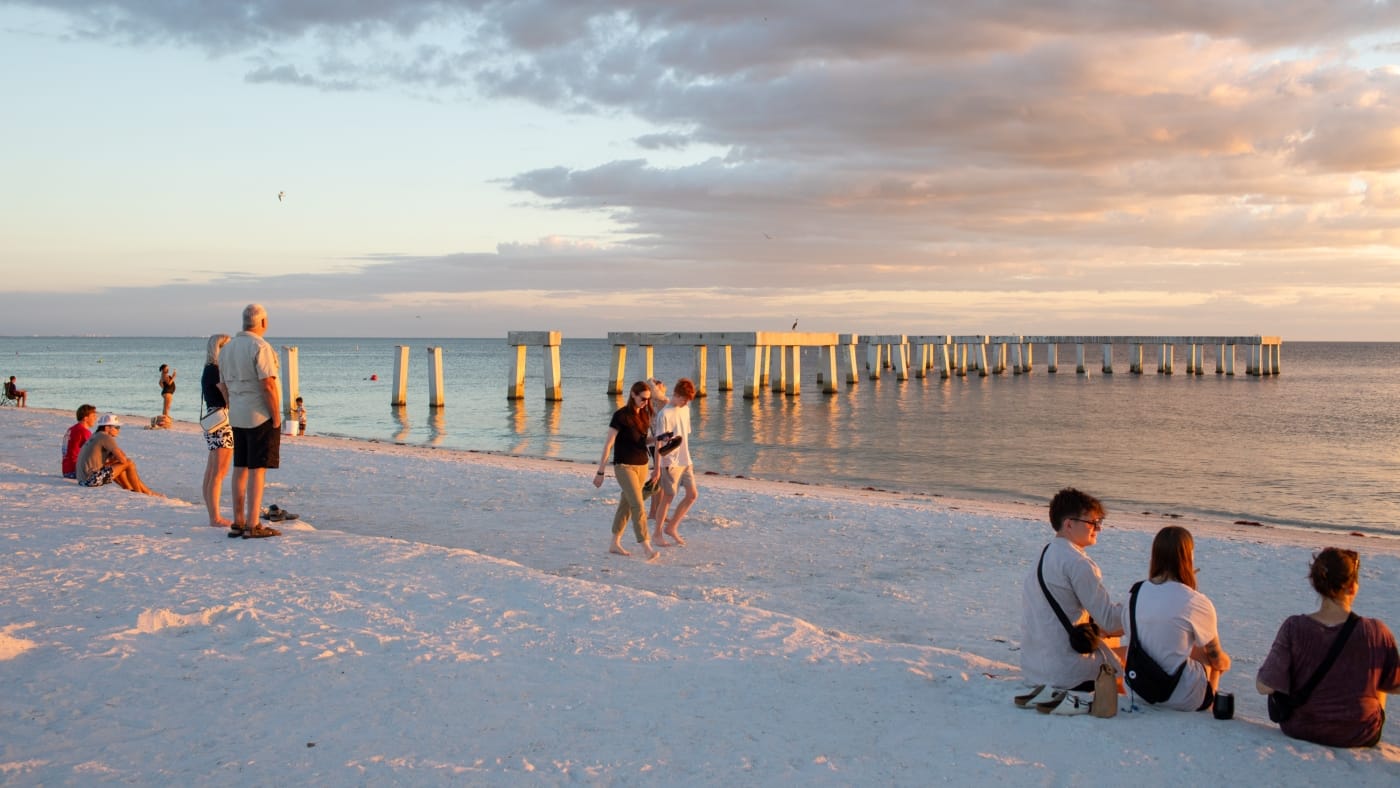
Fort Myers Beach is becoming the front line of a new Florida—one shaped by hurricane devastation, soaring insurance premiums, and rapid gentrification. Three years after Hurricane Ian, residents are still battling massive rebuilding costs and insurance bills that now exceed $5,700 a year on average, with flood insurance reaching $10,000 for some families. Long-time locals, small businesses, and service workers are being priced out as wealthy investors move in, transforming once-affordable coastal communities. Real estate professionals warn that foreclosures may rise if economic pressures continue, signaling a pivotal moment for Florida’s housing market and the professionals who serve it.
Economic uncertainty, AI disruption, slowing population growth, and rising portfolio risk are reshaping commercial real estate heading into 2026. A new report unveiled at NAR NXT highlights the forces that will reward informed professionals — and challenge those who aren’t prepared. From fiscal policy and shifting capital flows to tech transformation and housing shortages, the landscape is evolving fast. Cameron Academy breaks down the key issues so real estate, mortgage, finance, and insurance professionals can stay ahead of the curve.
A sudden federal shutdown of FEMA’s BRIC resiliency program has left cities and commercial property owners scrambling, exposing billions in real estate to rising climate threats. With nearly a billion dollars in mitigation funding clawed back and extreme weather intensifying, insurance premiums are expected to surge and coverage may shrink — placing new pressure on markets like Florida and New York.
A new Florida Senate bill aims to stop cities and counties from blocking residential developments over vague “compatibility” concerns. Supporters say the measure would speed up homebuilding and ease housing shortages, while opponents argue it strips communities of essential oversight and could accelerate growth without proper planning. The proposal could reshape development timelines and land-use decisions statewide, making it a major issue for real estate professionals to watch.
Cape Coral–Fort Myers has officially moved into buyer-friendly territory, with homes now sitting a median 119 days on the market—far longer than both the Florida and U.S. averages. Rising inventory, a 36.9 percent price‑reduction rate, and slower absorption compared to accumulated supply are giving buyers more leverage and time to negotiate, signaling a meaningful reset in this once‑fast‑moving Florida market.
Kansas City’s commercial real estate sector is finally turning a corner after several years of sluggish activity. Retail is leading the rebound, while multifamily and industrial properties are gaining traction as pricing stabilizes and buyer confidence returns. A standout 2025 transaction—the sale of the 380‑unit Cyan Southcreek community—signals that capital is flowing back into the market. With bid‑ask spreads tightening and investor optimism rising, Kansas City is entering a period of renewed opportunity for real estate professionals and investors alike.

 Florida’s Middle Class Is Being Squeezed Out: Insurance Costs, Rebuilding Struggles, and a Changing Coastline Gallery