Florida’s Soaring Home Insurance Costs Push Homeowners to a Breaking Point
Florida homeowners are facing one of the most intense insurance crises in the country, with premiums climbing at a rate that has left many in shock, frustration, and genuine financial strain. New insights confirm that the Sunshine State now carries some of the highest homeowner insurance costs in America — and residents are feeling the impact daily.
According to WPTV and Bankrate.com, Floridians now pay an average of $5,838 per year for homeowners insurance — nearly $3,000 more than the national average. This officially places Florida as the third most expensive state in the country for home insurance.
“Everything’s Tripled” — Homeowners Share the Burden
These numbers aren’t just statistics. They represent real stories — and real struggle. West Palm Beach homeowner Jeff Heun told WPTV that his premiums have skyrocketed over the years to the point of disbelief.
“Everything’s tripled,” Heun shared. “I was gonna file a claim but I would have had my premiums doubled.”
Heun, who has never once used his homeowner’s insurance, says retirees and fixed‑income homeowners are being pushed to the edge — and some are even considering leaving Florida entirely.
Interactive Insight
Are climbing premiums shaping your homebuying or investment decisions? Insurance literacy is becoming essential for Florida professionals. At Cameron Academy, programs increasingly highlight how insurance volatility affects real estate markets, mortgage approvals, property valuations, and long-term investment planning.
Forced Coverage and Hard Choices
Another Florida homeowner told WPTV he wanted to invest in home upgrades — impact windows and doors — but his mortgage lender requires full wind coverage, stopping him in his tracks due to cost.
Others have taken drastic steps. One resident admitted she hasn’t carried homeowners insurance in over 25 years, preferring to save the money instead of paying rising premiums.
Denied Claims and Delayed Payouts Add to the Crisis
The crisis isn’t just about high premiums — it’s also about what happens when homeowners try to use the insurance they pay for.
Bob and Pam Fix of Loxahatchee learned this the hard way after a tornado caused over $40,000 in damage. Their insurer initially offered only $4,500, later increasing to $7,000 — still far below what was needed. Following WPTV’s investigation, the couple was finally approved for the full amount.
Disturbingly, data now shows:
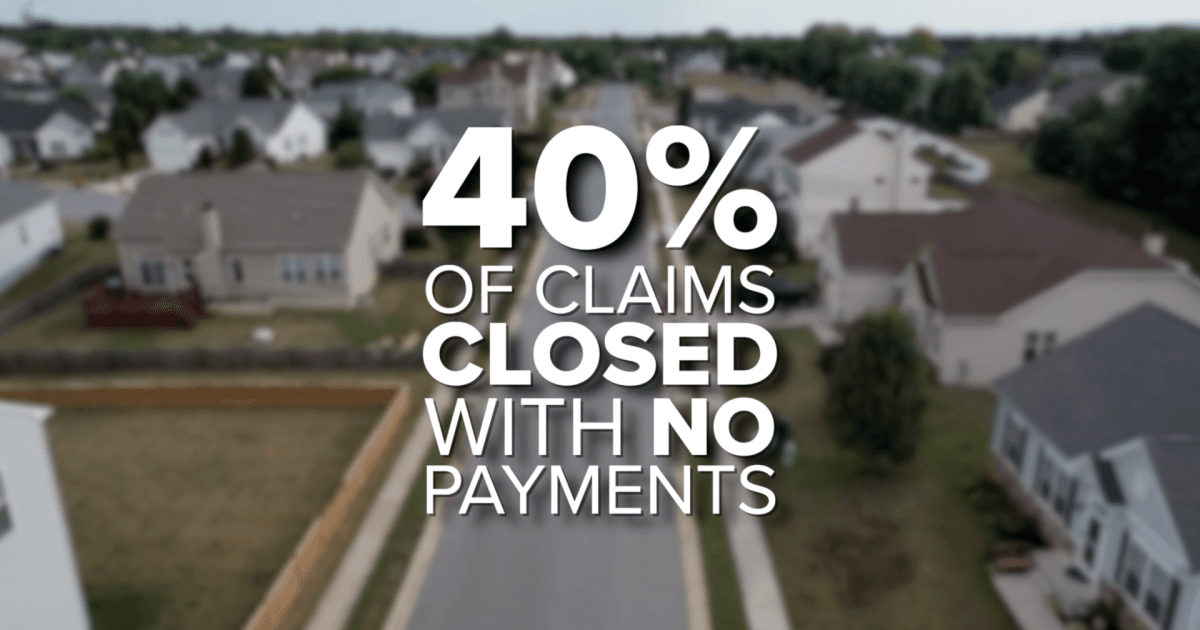
• Over 40% of Florida insurance claims close with no payment • Florida leads the nation in dropped renewals at 3.3%
Lawmakers Push Back: Reform vs. Reality
Dr. Martin Weiss of Weiss Ratings warns that Florida is reaching a dangerous tipping point.
“Unless this is reversed in Florida and beyond, I see a bigger problem ahead,” said Weiss, who is pushing for transparency through the Insurance Fairness Project.
State Senator Carlos Guillermo Smith is advocating for major reforms intended to stop insurers from “exploiting” policy holders, including:
• Capping rate increases at 10–15% annually
• Removing taxes on impact‑resistant upgrades
• Requiring insurers to disclose profits tied to affiliated managing general agents
However, passing these measures remains complex in a heavily Republican legislature. Smith says they’re adopting a “throw everything at the wall” strategy to spark serious debate.
The Path Forward
Florida’s insurance crisis isn’t just a homeowner issue — it’s reshaping the entire real estate landscape. Mortgage lenders, property managers, investors, and agents all feel the ripple effects.
Professionals looking to deepen their understanding of how rising insurance affects property valuation, negotiation strategies, closing timelines, and long-term investment planning can benefit from continuing education. Cameron Academy continues to expand its real estate and insurance-focused coursework to help professionals stay ahead in Florida’s rapidly evolving market.
The next legislative sessions will determine whether relief is on the horizon — or whether premiums will continue their climb, affecting millions across the state for years to come.
More Articles
Getting licensed or staying ahead in your career can be a journey—but it doesn’t have to be overwhelming. Grab your favorite coffee or tea, take a moment to relax, and browse through our articles. Whether you’re just starting out or renewing your expertise, we’ve got tips, insights, and advice to keep you moving forward. Here’s to your success—one sip and one step at a time!
Financial analysis remains one of the strongest career paths for professionals seeking high earnings, steady growth, and long-term stability. With median salaries above $100K, expanding demand across industries, and clear promotion tracks leading to senior leadership roles, the field offers both opportunity and resilience—even as AI reshapes the workplace. This article breaks down what analysts do, salary expectations, job outlook, industry demand, and whether this career is the right fit for you.
After losing their home in the Los Angeles wildfires, Jessica and Matt Conkle expected their insurance policy to help them rebuild. Instead, they found themselves trapped in delays, lowball offers, and endless adjuster changes — a struggle now shared by thousands across California. Their experience highlights a nationwide problem: insurers pulling back from climate‑risk areas, soaring premiums, shrinking coverage, and regulators under fire. For professionals in real estate, mortgage, and insurance, this growing instability is reshaping transactions, lending, risk assessment, and the future of homeownership in America.
Kansas City’s housing market is finally gaining momentum heading into 2026 as falling interest rates, new construction, and a renewed focus on affordable homes open the door for first‑time buyers. Economists say improved supply and softer mortgage rates could shift the market after a challenging 2025, giving real estate professionals and buyers a promising window of opportunity.
Nevada has become the first state to allow insurers to sell homeowners policies without wildfire protection—a move aimed at lowering premiums but raising concerns about consumer risk and mortgage barriers. The law introduces new wildfire‑only policies and a regulatory sandbox for insurance innovation, potentially setting a precedent for other Western states.
Investment groups across the U.S. are rapidly expanding into tax‑deferred real estate programs as demand for Delaware Statutory Trusts (DSTs) accelerates. Major players like Blackstone, Brookfield, Denholtz, and PREP are launching new offerings fueled by stronger market certainty, a historic generational wealth transfer, and renewed confidence in 1031 exchange benefits. As DSTs move into the mainstream, real estate professionals are finding new opportunities to guide clients through advanced tax‑advantaged investment strategies.
Canada’s proptech sector is evolving fast as AI adoption accelerates and investor caution forces startups to mature. Funding has tightened, growth rounds have slowed, and companies are shifting from rapid expansion to profitability and real product‑market fit. AI‑driven platforms like Mave are gaining traction, consolidation is rising, and government housing initiatives may boost construction‑focused tech. For real estate professionals, these trends signal a new industry standard where AI tools and ongoing education are essential to staying competitive.