Florida’s Soaring Home Insurance Costs Push Homeowners to a Breaking Point
Florida homeowners are facing one of the most intense insurance crises in the country, with premiums climbing at a rate that has left many in shock, frustration, and genuine financial strain. New insights confirm that the Sunshine State now carries some of the highest homeowner insurance costs in America — and residents are feeling the impact daily.
According to WPTV and Bankrate.com, Floridians now pay an average of $5,838 per year for homeowners insurance — nearly $3,000 more than the national average. This officially places Florida as the third most expensive state in the country for home insurance.
“Everything’s Tripled” — Homeowners Share the Burden
These numbers aren’t just statistics. They represent real stories — and real struggle. West Palm Beach homeowner Jeff Heun told WPTV that his premiums have skyrocketed over the years to the point of disbelief.
“Everything’s tripled,” Heun shared. “I was gonna file a claim but I would have had my premiums doubled.”
Heun, who has never once used his homeowner’s insurance, says retirees and fixed‑income homeowners are being pushed to the edge — and some are even considering leaving Florida entirely.
Interactive Insight
Are climbing premiums shaping your homebuying or investment decisions? Insurance literacy is becoming essential for Florida professionals. At Cameron Academy, programs increasingly highlight how insurance volatility affects real estate markets, mortgage approvals, property valuations, and long-term investment planning.
Forced Coverage and Hard Choices
Another Florida homeowner told WPTV he wanted to invest in home upgrades — impact windows and doors — but his mortgage lender requires full wind coverage, stopping him in his tracks due to cost.
Others have taken drastic steps. One resident admitted she hasn’t carried homeowners insurance in over 25 years, preferring to save the money instead of paying rising premiums.
Denied Claims and Delayed Payouts Add to the Crisis
The crisis isn’t just about high premiums — it’s also about what happens when homeowners try to use the insurance they pay for.
Bob and Pam Fix of Loxahatchee learned this the hard way after a tornado caused over $40,000 in damage. Their insurer initially offered only $4,500, later increasing to $7,000 — still far below what was needed. Following WPTV’s investigation, the couple was finally approved for the full amount.
Disturbingly, data now shows:
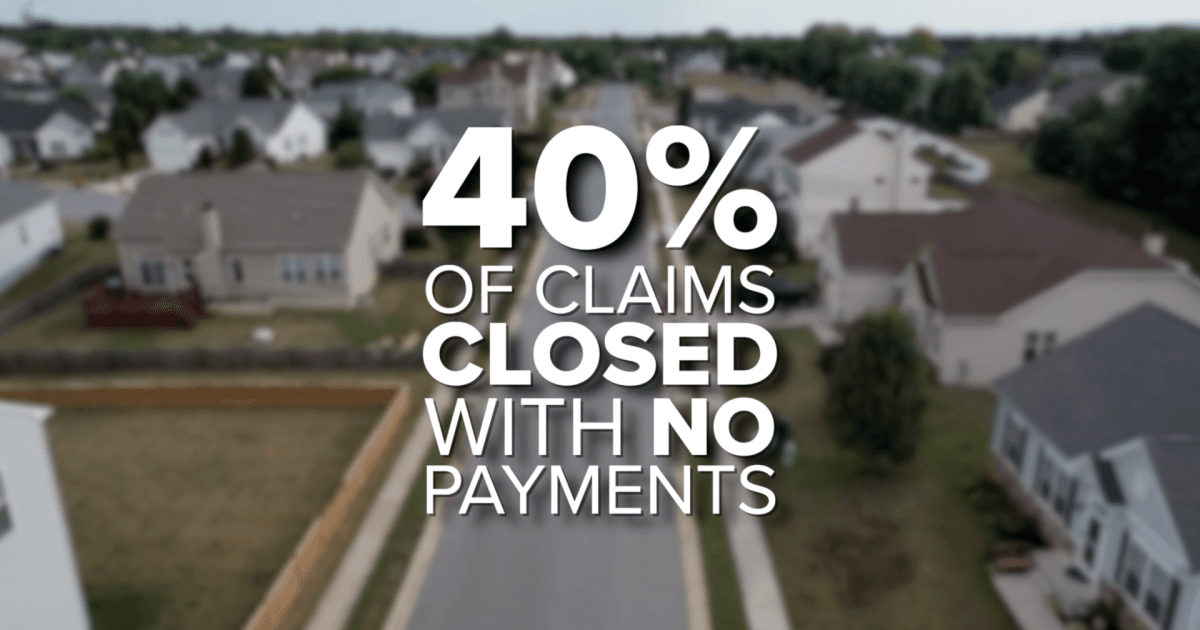
• Over 40% of Florida insurance claims close with no payment • Florida leads the nation in dropped renewals at 3.3%
Lawmakers Push Back: Reform vs. Reality
Dr. Martin Weiss of Weiss Ratings warns that Florida is reaching a dangerous tipping point.
“Unless this is reversed in Florida and beyond, I see a bigger problem ahead,” said Weiss, who is pushing for transparency through the Insurance Fairness Project.
State Senator Carlos Guillermo Smith is advocating for major reforms intended to stop insurers from “exploiting” policy holders, including:
• Capping rate increases at 10–15% annually
• Removing taxes on impact‑resistant upgrades
• Requiring insurers to disclose profits tied to affiliated managing general agents
However, passing these measures remains complex in a heavily Republican legislature. Smith says they’re adopting a “throw everything at the wall” strategy to spark serious debate.
The Path Forward
Florida’s insurance crisis isn’t just a homeowner issue — it’s reshaping the entire real estate landscape. Mortgage lenders, property managers, investors, and agents all feel the ripple effects.
Professionals looking to deepen their understanding of how rising insurance affects property valuation, negotiation strategies, closing timelines, and long-term investment planning can benefit from continuing education. Cameron Academy continues to expand its real estate and insurance-focused coursework to help professionals stay ahead in Florida’s rapidly evolving market.
The next legislative sessions will determine whether relief is on the horizon — or whether premiums will continue their climb, affecting millions across the state for years to come.
More Articles
Getting licensed or staying ahead in your career can be a journey—but it doesn’t have to be overwhelming. Grab your favorite coffee or tea, take a moment to relax, and browse through our articles. Whether you’re just starting out or renewing your expertise, we’ve got tips, insights, and advice to keep you moving forward. Here’s to your success—one sip and one step at a time!
The Real Estate Board of New York (REBNY) has announced a new policy requiring sellers to directly pay the buyer's agent, effective from January 1. This significant shift aims to enhance transparency and address potential conflicts of interest in real estate transactions. The policy comes amidst ongoing lawsuits related to commission sharing and allegations of unethical practices. The implementation of this policy is expected to impact the real estate industry significantly, with sellers needing to factor in the cost of the buyer's agent commission when pricing their properties.
In a significant development, the U.S. Senate has voted to block the implementation of the Consumer Financial Protection Bureau's (CFPB) small business lending rule. This decision has sparked a heated debate over the impact it may have on small businesses across the country. President Biden, in response, has threatened to veto the Senate's decision, emphasizing his commitment to fair lending practices and supporting small businesses. The CFPB's rule, implemented in October 2020, requires lenders to collect and report data on small business lending. This includes information on the race, sex, and ethnicity of borrowers, with the aim of identifying and addressing potential disparities in access to credit for minority-owned and women-owned small businesses. The Senate's decision to block the CFPB's rule has been celebrated by small business advocates and industry groups critical of the CFPB's regulatory approach. However, the implications of this decision remain uncertain, as President Biden's threatened veto looms large.
The world of real estate has recently been shaken by a wave of class-action commission lawsuits, sparking a contentious debate. These lawsuits demand scrutiny to understand their implications and validity. A primary counter-argument is the freedom of consumer choice. In today's digital age, potential buyers and sellers have access to a wealth of online resources, enabling them to undertake real estate transactions independently. Another critical factor is the negotiability of commissions in the real estate sector. Commission rates are not fixed, they are subject to negotiation between the agent and the client. This flexibility allows for open discussions, leading to mutually agreeable terms. Despite the emergence of discount brokerage firms, consumers continue to place their trust in traditional real estate agents. This preference stems not only from cost considerations but also from the value of expertise, guidance, and personalized service that agents offer. Real estate transactions are complex and often involve significant financial investments. Trusted agents provide invaluable insights, market knowledge, and negotiation skills, helping clients make informed decisions and navigate potential challenges confidently.
In the last two years, the housing market has seen a dramatic shift. Soaring mortgage rates and rising home prices have led to the fastest erosion in housing market affordability in modern history, with first-time homebuyers feeling the impact the most. The housing market has undergone significant changes over the past two years, leading to a substantial increase in the income required to purchase a median-priced home. According to recent data from Redfin, a homebuyer must now earn $114,627 to afford the typical U.S. home. This is a 15% increase from the previous year and more than 50% higher than pre-pandemic levels.
The housing market has shown remarkable resilience in the face of rising mortgage rates. Despite rates reaching 8%, new listings data remains steady, indicating a healthy supply of homes for sale. This stability is a positive sign for both buyers and sellers, demonstrating the strength of the housing market. Despite the increase in mortgage rates, sellers in the housing market have maintained their confidence. This confidence is reflected in the steady new listing data, as sellers continue to list their properties without hesitation. It indicates that sellers believe there is still strong demand from buyers and that the potential financial impact of higher mortgage rates does not outweigh the benefits of selling their homes.
The Real Estate Board of New York (REBNY) has introduced a groundbreaking requirement for sellers to directly compensate buyers' agents. This significant change has the potential to transform the real estate industry, eliminating conflicts of interest and promoting a more client-centric approach. This shift in the compensation landscape aims to create a more transparent and trustworthy environment for buyers. Moreover, this shift towards a client-centric approach aligns with the mission and values of Cameron Academy. As a leading provider of real estate education, Cameron Academy is committed to empowering professionals to navigate the evolving industry landscape and prioritize the best interests of their clients.