Florida’s Soaring Home Insurance Costs Push Homeowners to a Breaking Point
Florida homeowners are facing one of the most intense insurance crises in the country, with premiums climbing at a rate that has left many in shock, frustration, and genuine financial strain. New insights confirm that the Sunshine State now carries some of the highest homeowner insurance costs in America — and residents are feeling the impact daily.
According to WPTV and Bankrate.com, Floridians now pay an average of $5,838 per year for homeowners insurance — nearly $3,000 more than the national average. This officially places Florida as the third most expensive state in the country for home insurance.
“Everything’s Tripled” — Homeowners Share the Burden
These numbers aren’t just statistics. They represent real stories — and real struggle. West Palm Beach homeowner Jeff Heun told WPTV that his premiums have skyrocketed over the years to the point of disbelief.
“Everything’s tripled,” Heun shared. “I was gonna file a claim but I would have had my premiums doubled.”
Heun, who has never once used his homeowner’s insurance, says retirees and fixed‑income homeowners are being pushed to the edge — and some are even considering leaving Florida entirely.
Interactive Insight
Are climbing premiums shaping your homebuying or investment decisions? Insurance literacy is becoming essential for Florida professionals. At Cameron Academy, programs increasingly highlight how insurance volatility affects real estate markets, mortgage approvals, property valuations, and long-term investment planning.
Forced Coverage and Hard Choices
Another Florida homeowner told WPTV he wanted to invest in home upgrades — impact windows and doors — but his mortgage lender requires full wind coverage, stopping him in his tracks due to cost.
Others have taken drastic steps. One resident admitted she hasn’t carried homeowners insurance in over 25 years, preferring to save the money instead of paying rising premiums.
Denied Claims and Delayed Payouts Add to the Crisis
The crisis isn’t just about high premiums — it’s also about what happens when homeowners try to use the insurance they pay for.
Bob and Pam Fix of Loxahatchee learned this the hard way after a tornado caused over $40,000 in damage. Their insurer initially offered only $4,500, later increasing to $7,000 — still far below what was needed. Following WPTV’s investigation, the couple was finally approved for the full amount.
Disturbingly, data now shows:
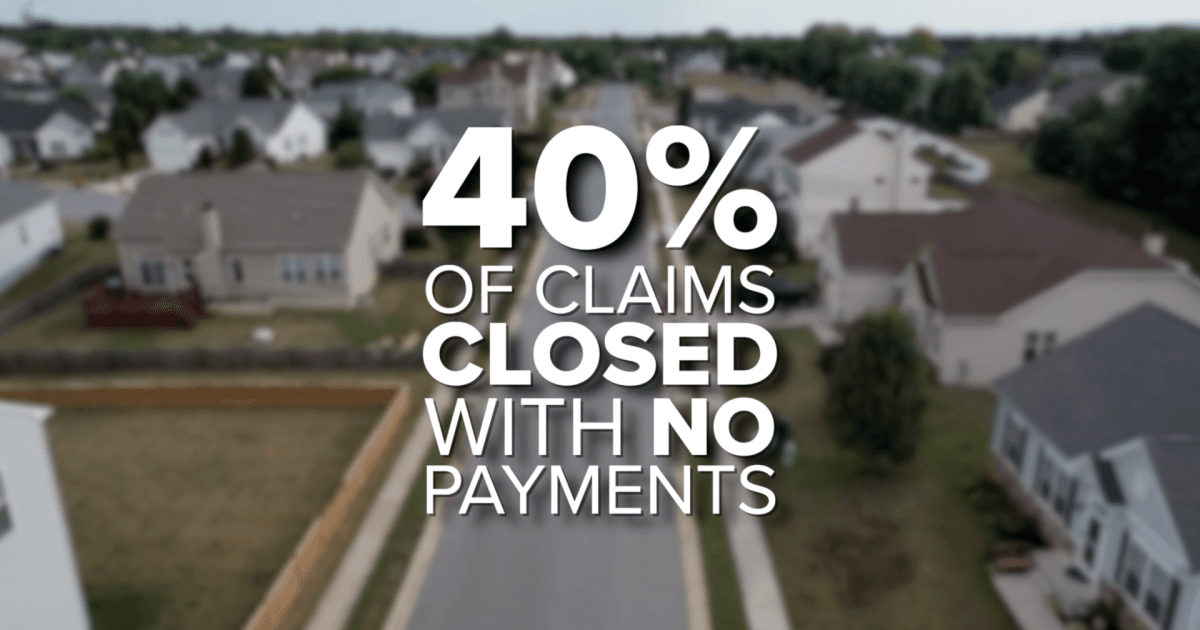
• Over 40% of Florida insurance claims close with no payment • Florida leads the nation in dropped renewals at 3.3%
Lawmakers Push Back: Reform vs. Reality
Dr. Martin Weiss of Weiss Ratings warns that Florida is reaching a dangerous tipping point.
“Unless this is reversed in Florida and beyond, I see a bigger problem ahead,” said Weiss, who is pushing for transparency through the Insurance Fairness Project.
State Senator Carlos Guillermo Smith is advocating for major reforms intended to stop insurers from “exploiting” policy holders, including:
• Capping rate increases at 10–15% annually
• Removing taxes on impact‑resistant upgrades
• Requiring insurers to disclose profits tied to affiliated managing general agents
However, passing these measures remains complex in a heavily Republican legislature. Smith says they’re adopting a “throw everything at the wall” strategy to spark serious debate.
The Path Forward
Florida’s insurance crisis isn’t just a homeowner issue — it’s reshaping the entire real estate landscape. Mortgage lenders, property managers, investors, and agents all feel the ripple effects.
Professionals looking to deepen their understanding of how rising insurance affects property valuation, negotiation strategies, closing timelines, and long-term investment planning can benefit from continuing education. Cameron Academy continues to expand its real estate and insurance-focused coursework to help professionals stay ahead in Florida’s rapidly evolving market.
The next legislative sessions will determine whether relief is on the horizon — or whether premiums will continue their climb, affecting millions across the state for years to come.
More Articles
Getting licensed or staying ahead in your career can be a journey—but it doesn’t have to be overwhelming. Grab your favorite coffee or tea, take a moment to relax, and browse through our articles. Whether you’re just starting out or renewing your expertise, we’ve got tips, insights, and advice to keep you moving forward. Here’s to your success—one sip and one step at a time!
Florida families are feeling the squeeze as everyday costs, insurance premiums, and homeownership barriers continue to climb. House District 102 candidate Jayden D’Onofrio is calling for a broader, more unified affordability strategy—one that tackles the state’s insurance crisis, supports first‑time homebuyers, and restores real competition in the market. His message centers on transparency, practical solutions, and keeping Florida livable for the professionals, workers, and families who power its economy.
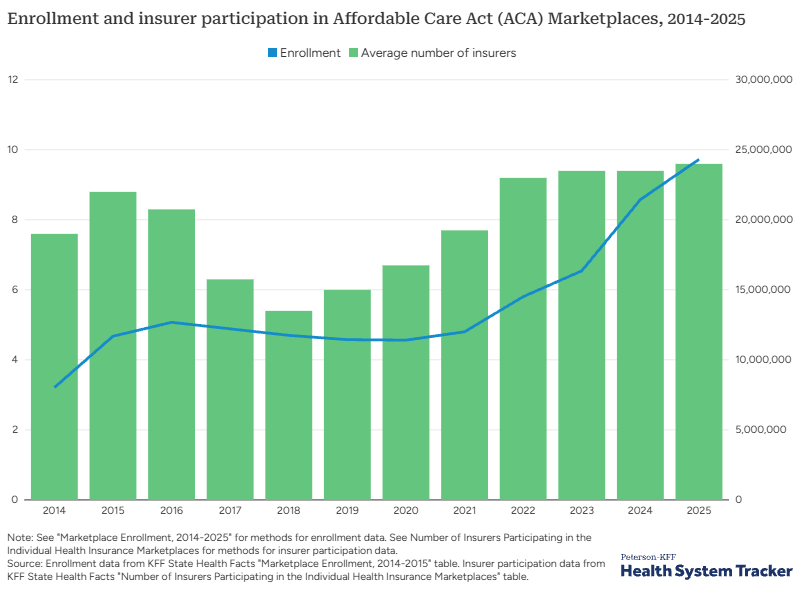
A decade of dramatic change is reshaping America’s health insurance markets. Employer group plans are becoming increasingly dominated by a few powerful insurers, while the ACA individual marketplace is experiencing record‑breaking competition and enrollment. Self‑funded plans are surging, small‑group premiums are driving employers to new coverage models, and major policy shifts in 2025 could redefine affordability for millions. This data‑driven Peterson‑KFF analysis breaks down the trends every insurance, finance, and business professional needs to understand as the industry enters a transformative new era.
Sarasota County is inching closer to approving Winchester Ranch, a massive 8,999‑home community planned for more than 3,100 acres in North Port. With a 7‑1 vote from the Planning Commission and a final decision expected in early 2026, the project could become one of Southwest Florida’s largest developments in decades—bringing new housing, commercial space, and industry while raising fresh questions about growth, the environment, and the region’s rapidly evolving real estate market.
Lument Finance Trust has closed a major $663.8 million commercial real estate CLO, marking one of the standout CRE finance deals of 2025. The transaction, LMNT 2025-FL3, features a strong reinvestment period, non‑recourse and non‑mark‑to‑market financing, and a diversified pool of 32 loans tied to 49 properties nationwide. With J.P. Morgan leading the structuring and more than $585 million placed in investment‑grade securities, the deal highlights renewed stability in transitional CRE debt—making it a development real estate and finance professionals will want to watch closely.
Walmart has partnered with Alquist 3D to roll out the nation’s first large‑scale wave of 3D‑printed commercial buildings, signaling a major shift in how future retail and industrial spaces will be constructed. After completing an 8,000‑square‑foot 3D‑printed expansion in Tennessee—the largest of its kind—the company is moving forward with over a dozen new projects nationwide, accelerating a tech‑driven transformation in commercial real estate.
Citizens Property Insurance Corp. is recommending statewide rate reductions for 2026—the first proposed decrease in more than a decade. Most Citizens policyholders could see an average 11.5% drop, reflecting recent insurance‑market reforms that have stabilized Florida’s turbulent property sector. With hundreds of thousands of policies moving back to private insurers and state‑backed Citizens shrinking to record‑low enrollment, real estate and insurance professionals should prepare for how lower premiums may influence affordability, buyer confidence, and market activity heading into 2026.