Florida’s Soaring Home Insurance Costs Push Homeowners to a Breaking Point
Florida homeowners are facing one of the most intense insurance crises in the country, with premiums climbing at a rate that has left many in shock, frustration, and genuine financial strain. New insights confirm that the Sunshine State now carries some of the highest homeowner insurance costs in America — and residents are feeling the impact daily.
According to WPTV and Bankrate.com, Floridians now pay an average of $5,838 per year for homeowners insurance — nearly $3,000 more than the national average. This officially places Florida as the third most expensive state in the country for home insurance.
“Everything’s Tripled” — Homeowners Share the Burden
These numbers aren’t just statistics. They represent real stories — and real struggle. West Palm Beach homeowner Jeff Heun told WPTV that his premiums have skyrocketed over the years to the point of disbelief.
“Everything’s tripled,” Heun shared. “I was gonna file a claim but I would have had my premiums doubled.”
Heun, who has never once used his homeowner’s insurance, says retirees and fixed‑income homeowners are being pushed to the edge — and some are even considering leaving Florida entirely.
Interactive Insight
Are climbing premiums shaping your homebuying or investment decisions? Insurance literacy is becoming essential for Florida professionals. At Cameron Academy, programs increasingly highlight how insurance volatility affects real estate markets, mortgage approvals, property valuations, and long-term investment planning.
Forced Coverage and Hard Choices
Another Florida homeowner told WPTV he wanted to invest in home upgrades — impact windows and doors — but his mortgage lender requires full wind coverage, stopping him in his tracks due to cost.
Others have taken drastic steps. One resident admitted she hasn’t carried homeowners insurance in over 25 years, preferring to save the money instead of paying rising premiums.
Denied Claims and Delayed Payouts Add to the Crisis
The crisis isn’t just about high premiums — it’s also about what happens when homeowners try to use the insurance they pay for.
Bob and Pam Fix of Loxahatchee learned this the hard way after a tornado caused over $40,000 in damage. Their insurer initially offered only $4,500, later increasing to $7,000 — still far below what was needed. Following WPTV’s investigation, the couple was finally approved for the full amount.
Disturbingly, data now shows:
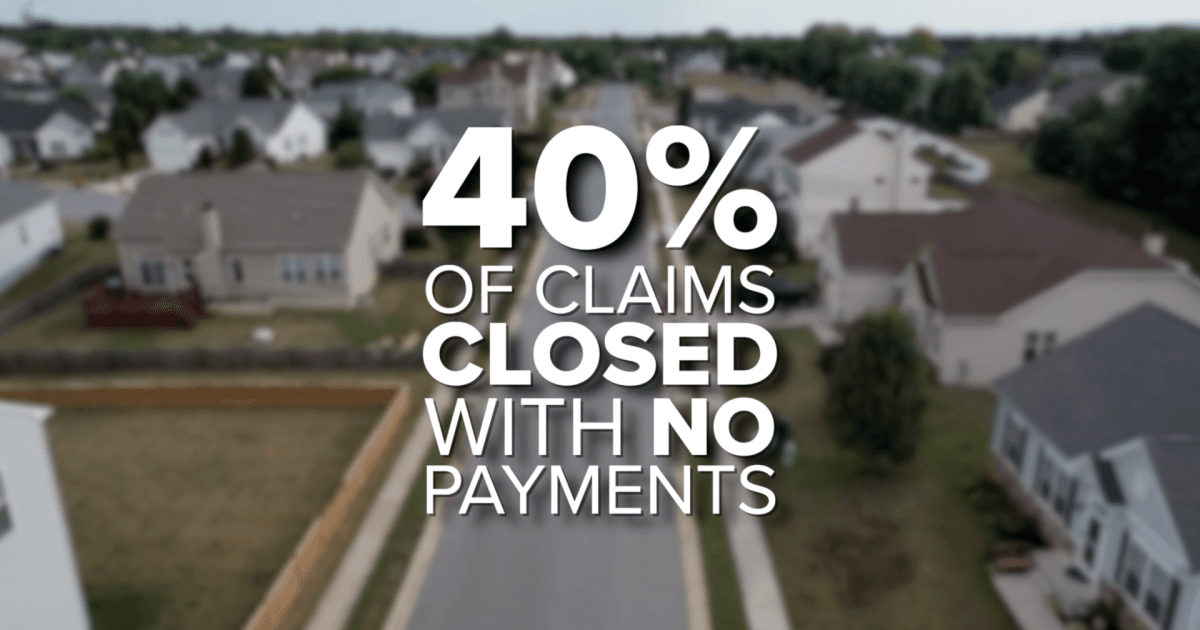
• Over 40% of Florida insurance claims close with no payment • Florida leads the nation in dropped renewals at 3.3%
Lawmakers Push Back: Reform vs. Reality
Dr. Martin Weiss of Weiss Ratings warns that Florida is reaching a dangerous tipping point.
“Unless this is reversed in Florida and beyond, I see a bigger problem ahead,” said Weiss, who is pushing for transparency through the Insurance Fairness Project.
State Senator Carlos Guillermo Smith is advocating for major reforms intended to stop insurers from “exploiting” policy holders, including:
• Capping rate increases at 10–15% annually
• Removing taxes on impact‑resistant upgrades
• Requiring insurers to disclose profits tied to affiliated managing general agents
However, passing these measures remains complex in a heavily Republican legislature. Smith says they’re adopting a “throw everything at the wall” strategy to spark serious debate.
The Path Forward
Florida’s insurance crisis isn’t just a homeowner issue — it’s reshaping the entire real estate landscape. Mortgage lenders, property managers, investors, and agents all feel the ripple effects.
Professionals looking to deepen their understanding of how rising insurance affects property valuation, negotiation strategies, closing timelines, and long-term investment planning can benefit from continuing education. Cameron Academy continues to expand its real estate and insurance-focused coursework to help professionals stay ahead in Florida’s rapidly evolving market.
The next legislative sessions will determine whether relief is on the horizon — or whether premiums will continue their climb, affecting millions across the state for years to come.
Select options
This product has multiple variants. The options may be chosen on the product page
Details
More Articles
Getting licensed or staying ahead in your career can be a journey—but it doesn’t have to be overwhelming. Grab your favorite coffee or tea, take a moment to relax, and browse through our articles. Whether you’re just starting out or renewing your expertise, we’ve got tips, insights, and advice to keep you moving forward. Here’s to your success—one sip and one step at a time!
While most people chase AI stocks or compete for high‑pressure tech jobs, the real opportunity may be unfolding in AI boomtown real estate. As companies like OpenAI, Anthropic, Microsoft, and NVIDIA mint new waves of wealthy workers, demand for housing in key cities is exploding. From San Francisco to Austin, AI‑driven markets are seeing rising rents, limited inventory, and buyers preparing for massive IPO windfalls. For real estate professionals—or anyone entering the field—this surge represents one of the strongest long‑term opportunities in the industry.
Florida is ending its 1 percent emergency insurance surcharge two years ahead of schedule, saving homeowners an estimated 650 million dollars through 2028. Thanks to a calm hurricane season, fewer insurer failures, and reduced lawsuits, officials say the state’s property insurance market is now in its strongest financial position in a decade. The change offers relief for homeowners and new momentum for Florida’s real estate industry, where lower insurance costs can boost buyer confidence and support smoother transactions.
A growing political push to block institutional investors from buying single-family homes may sound like a pro-homeowner policy, but the data shows it could do the opposite. Younger and racially diverse renters rely heavily on single-family rentals as an affordable, stable alternative to buying—yet restricting investor participation would shrink this supply, pushing many families into overcrowded housing, motels, or homelessness. The real issue isn’t who buys the homes, but that America doesn’t have enough of them.
Zillow’s 2026 Agent Trends Survey reveals a major shift in what agents value most: technology that reduces mental drain. Nearly half of agents now use AI tools daily, yet most still juggle multiple platforms that sap their focus. Zillow’s upcoming unified platform, Zillow Pro, aims to streamline workflows and cut cognitive load. The survey also highlights key industry trends, including buyer financial literacy gaps, the importance of relationships for lead generation and the growing need for tech fluency among both new and seasoned real estate professionals.
Florida’s housing market is still surging, with luxury enclaves like Lake Buena Vista, Jupiter Island, and Golden Beach seeing massive six‑figure price jumps in just one year. Smaller towns such as Old Town, Cross City, and Hosford also posted steady gains, proving demand is rising statewide. For real estate professionals, these trends highlight where buyers are moving, where inventory is tight, and where future opportunities lie—making market literacy an essential advantage for anyone pursuing or expanding a career in Florida real estate.
Rhode Island is launching its sixth major housing reform package, aiming to boost affordability through zoning updates, lot splits, code changes, and the revival of single room occupancy and co‑living housing. With the state still recovering from years of underbuilding and soaring home prices, lawmakers hope these reforms will unlock new supply, ease pressure on renters and buyers, and create fresh opportunities for real estate professionals.