Florida’s Home Insurance Shake-Up: New Names, Old Problems
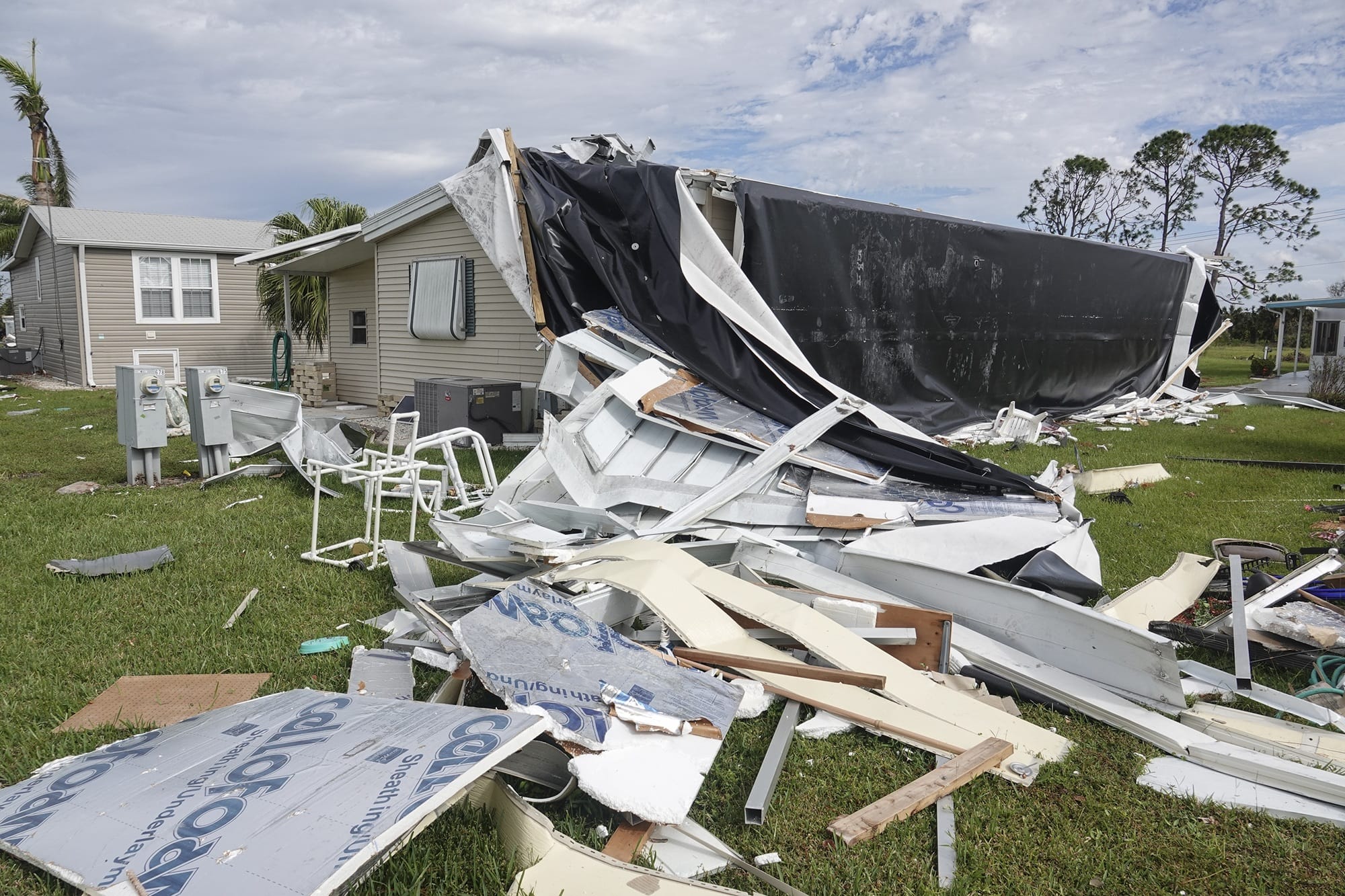
Florida’s home insurance market has become the state’s most expensive game of déjà vu. Despite bold reforms and confident promises, Floridians are still facing soaring premiums, shrinking coverage options, and mounting uncertainty each hurricane season. A recent deep‑dive by The American Prospect reveals why the “new” insurance landscape feels uncomfortably similar to the one that collapsed after Hurricane Andrew.
Gov. Ron DeSantis’s 2022 reforms were pitched as a stabilizing force after Hurricane Ian, but the evidence suggests they’ve recreated many of the same structural weaknesses that triggered earlier insurer failures—leaving homeowners, real estate professionals, and insurance agents navigating a treacherous landscape of financial risk.
The Depopulation Game and the Return of Risky Insurers
At the heart of the insurance overhaul is the depopulation of Citizens Property Insurance Corporation—the state’s “insurer of last resort.” More than 355,000 homeowners have been shifted from Citizens into private insurers, many of which charge higher premiums and show signs of shaky financial footing.
The market‑friendly reforms Gov. DeSantis passed in the wake of Hurricane Ian have failed to stabilize the state’s insurance market.
The analysis highlights a troubling trend: several newly approved insurance companies have direct connections to firms that previously collapsed. A standout example is Viceroy Preferred Insurance Company, which shares board members with Monarch National—a company fined for mishandled claims and formerly linked to another insurer that ultimately went insolvent.
Slide Insurance, one of Florida’s newest market entrants, closed over half its claims without payment—yet still holds an “A” rating from Demotech, while Weiss assigns it a stark “C‑.” This rating gulf has become too large for industry experts to ignore.
Politics, Profits, and Luxury Homes
The investigation also reveals eyebrow‑raising compensation details. Slide Insurance’s CEO and COO—who are married—took home tens of millions in earnings while residing in a lavish 9,600‑square‑foot waterfront home featured in Tampa Magazine. Meanwhile, Slide ranked among the insurers most likely to deny homeowners’ storm‑related claims.
Add political contributions to high‑profile Florida candidates into the mix, and the picture becomes even more complex.
Calls for Change: A Market Built on Sand
Experts interviewed in the report argue that Florida’s insurance system needs more than surface‑level fixes. They call for unified regulatory oversight, transparent rating standards, and stronger accountability—especially as climate risks intensify year after year.
As one analyst summarized: “We effectively have to build the market from scratch.”
What This Means for Real Estate Professionals
For Florida’s real estate agents, brokers, appraisers, mortgage lenders, property managers, and insurance professionals, understanding this evolving landscape is crucial. Insurance availability and affordability directly influence home sales, property values, and buyer confidence—making awareness a professional necessity.
At Cameron Academy, we continue helping Florida professionals stay ahead of these industry shifts—whether you’re renewing your real estate license, branching into insurance, or entering a new professional field. In a market this volatile, education isn’t optional—it’s your strongest safeguard.
Getting licensed or staying ahead in your career can be a journey—but it doesn’t have to be overwhelming. Grab your favorite coffee or tea, take a moment to relax, and browse through our articles. Whether you’re just starting out or renewing your expertise, we’ve got tips, insights, and advice to keep you moving forward. Here’s to your success—one sip and one step at a time!
Despite billions poured into proptech and a decade of flashy digital upgrades, the real estate experience remains largely unchanged. Apps made processes smoother, but not more transparent — because the industry’s core structures, data control and power dynamics stayed the same. True disruption will come from platforms that shift information and control to consumers, not just digitize outdated systems.
Early 2026 is delivering a clear message: commercial real estate is entering a recalibration phase. Construction is softening, pending home sales just saw a sharp drop, consumer sentiment is inching upward but remains fragile, and capital markets are tightening as major CRE sectors face rising distress. From data centers powering ahead to CMBS foreclosures climbing and office-to-residential conversions gaining momentum, professionals across real estate, mortgage, insurance, and finance need to stay sharp as the industry shifts.
Discover the real estate roles earning the biggest paychecks in 2026. From investment consultants to commercial leasing managers, this breakdown highlights the salaries, responsibilities, and career paths offering the strongest financial potential in today’s evolving market—perfect for newcomers and seasoned professionals mapping their next big move.
Montana is taking major steps to remove outdated licensing barriers and strengthen its workforce. Governor Greg Gianforte has created a new Licensing Reform Task Force aimed at modernizing regulations, speeding up approvals, and helping more professionals enter high‑demand fields like construction and healthcare. With licensing numbers doubling over the past decade and rural communities facing critical shortages, the state is pushing for faster, more efficient pathways to work. The task force begins meeting in February and will deliver its full reform report by September 2026 — a move that could influence licensing modernization efforts nationwide.
Artificial intelligence has officially moved from novelty to necessity in the real estate world. According to new industry data, 97% of brokerage leaders say their agents now rely on AI tools for everything from listing descriptions to full-scale marketing campaigns. As adoption skyrockets, so do concerns over training, accuracy, and compliance — especially among smaller firms. The message is clear: for today’s real estate professionals, AI literacy isn’t optional anymore.
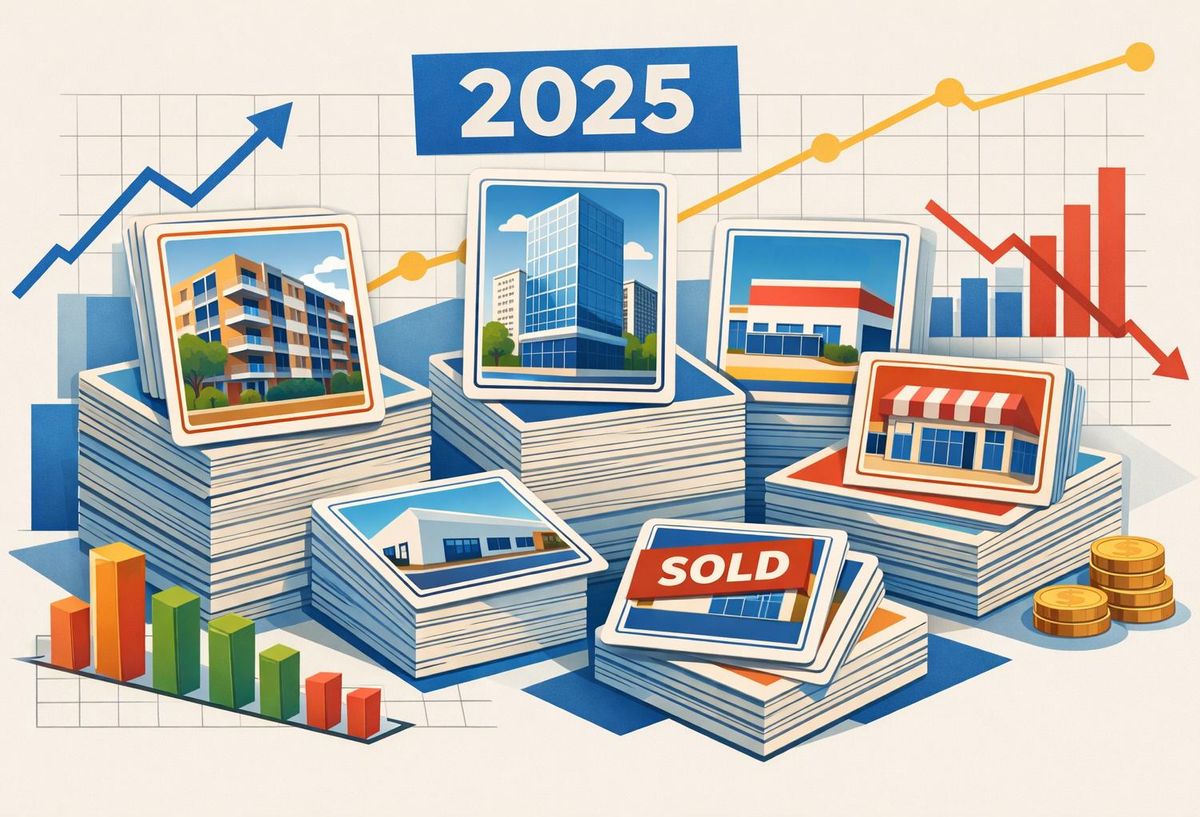
Commercial real estate roared back to life in 2025, with more than $255B pouring into multifamily, industrial, office and retail assets. Major investors moved fast on falling interest rates, improving bond yields and rising confidence across sectors. Multifamily dominated with over $115B in deals, industrial surged under private equity leadership, office saw renewed activity from owner-users and retail proved surprisingly resilient. For today’s real estate and finance professionals, the message is clear: opportunity favors those who stay informed and ready to act.