Florida’s Home Insurance Shake-Up: New Names, Old Problems
Florida’s home insurance market has become the state’s most expensive game of déjà vu. Despite bold reforms and confident promises, Floridians are still facing soaring premiums, shrinking coverage options, and mounting uncertainty each hurricane season. A recent deep‑dive by The American Prospect reveals why the “new” insurance landscape feels uncomfortably similar to the one that collapsed after Hurricane Andrew.
Gov. Ron DeSantis’s 2022 reforms were pitched as a stabilizing force after Hurricane Ian, but the evidence suggests they’ve recreated many of the same structural weaknesses that triggered earlier insurer failures—leaving homeowners, real estate professionals, and insurance agents navigating a treacherous landscape of financial risk.
The Depopulation Game and the Return of Risky Insurers
At the heart of the insurance overhaul is the depopulation of Citizens Property Insurance Corporation—the state’s “insurer of last resort.” More than 355,000 homeowners have been shifted from Citizens into private insurers, many of which charge higher premiums and show signs of shaky financial footing.
The market‑friendly reforms Gov. DeSantis passed in the wake of Hurricane Ian have failed to stabilize the state’s insurance market.
The analysis highlights a troubling trend: several newly approved insurance companies have direct connections to firms that previously collapsed. A standout example is Viceroy Preferred Insurance Company, which shares board members with Monarch National—a company fined for mishandled claims and formerly linked to another insurer that ultimately went insolvent.
Slide Insurance, one of Florida’s newest market entrants, closed over half its claims without payment—yet still holds an “A” rating from Demotech, while Weiss assigns it a stark “C‑.” This rating gulf has become too large for industry experts to ignore.
Politics, Profits, and Luxury Homes
The investigation also reveals eyebrow‑raising compensation details. Slide Insurance’s CEO and COO—who are married—took home tens of millions in earnings while residing in a lavish 9,600‑square‑foot waterfront home featured in Tampa Magazine. Meanwhile, Slide ranked among the insurers most likely to deny homeowners’ storm‑related claims.
Add political contributions to high‑profile Florida candidates into the mix, and the picture becomes even more complex.
Calls for Change: A Market Built on Sand
Experts interviewed in the report argue that Florida’s insurance system needs more than surface‑level fixes. They call for unified regulatory oversight, transparent rating standards, and stronger accountability—especially as climate risks intensify year after year.
As one analyst summarized: “We effectively have to build the market from scratch.”
What This Means for Real Estate Professionals
For Florida’s real estate agents, brokers, appraisers, mortgage lenders, property managers, and insurance professionals, understanding this evolving landscape is crucial. Insurance availability and affordability directly influence home sales, property values, and buyer confidence—making awareness a professional necessity.
At Cameron Academy, we continue helping Florida professionals stay ahead of these industry shifts—whether you’re renewing your real estate license, branching into insurance, or entering a new professional field. In a market this volatile, education isn’t optional—it’s your strongest safeguard.
Getting licensed or staying ahead in your career can be a journey—but it doesn’t have to be overwhelming. Grab your favorite coffee or tea, take a moment to relax, and browse through our articles. Whether you’re just starting out or renewing your expertise, we’ve got tips, insights, and advice to keep you moving forward. Here’s to your success—one sip and one step at a time!
Florida’s property insurance system is once again spiraling as new “market-friendly” reforms fail to stabilize rising premiums, insurer failures, and mounting homeowner frustration. Despite aggressive efforts to shift policyholders from Citizens to private carriers, many of the new insurers stepping in are tied to past insolvencies, questionable ratings, and political influence. For real estate, mortgage, and insurance professionals, these systemic cracks are reshaping closings, valuations, and risk across the state—making it essential to stay ahead of ongoing regulatory and market shifts.
Commercial real estate is heading into a turning‑point year in 2026, driven by economic uncertainty, AI‑powered transformation, shifting demographics and rising portfolio risk. Insights from The Counselors of Real Estate highlight the top issues shaping the year ahead—from fiscal pressures and capital constraints to housing shortages, global volatility and the future of data‑driven decision‑making. For real estate, mortgage, insurance and finance professionals, these trends offer a clear roadmap for staying competitive and preparing for the next wave of industry change.
AI-powered tools, fraud protection systems, and smarter MLS integrations are sweeping through the real estate industry as major organizations adopt new technologies. From RealReports hitting its 50th partnership to BeachesMLS unveiling instant AI home visualizations and Doorify boosting security, professionals are seeing rapid advancements that promise sharper insights, safer transactions, and more efficient rental workflows. This evolving tech landscape underscores the importance of staying educated and adaptable — especially for agents preparing for a competitive, AI-enhanced 2025 market.
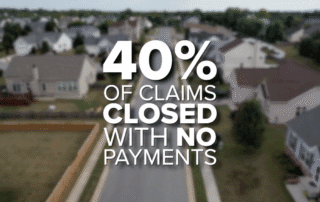
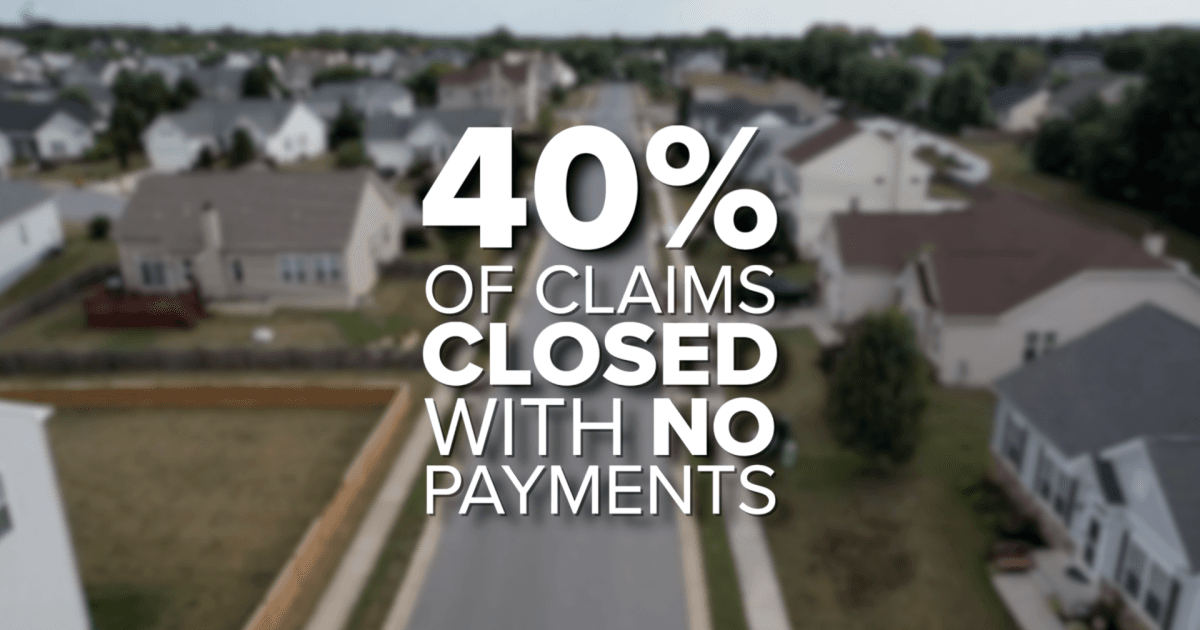
Florida homeowners are being hit with the highest insurance premiums in the nation, averaging $5,838 per year—nearly double the U.S. average. As costs skyrocket, many residents are reporting denied claims, non‑renewals, and impossible financial choices. New investigations reveal that more than 40 percent of claims in Florida close with no payment, while lawmakers push for transparency, fair pricing, and meaningful reform to stabilize a market that’s rapidly becoming unsustainable.
Vend Park, a Boston-based proptech company, has raised $17.5 million in Series A funding to reinvent parking as a high-performing commercial real estate asset. By replacing outdated operator–vendor systems with a unified AI-driven platform, Vend Park is helping major property owners boost NOI by up to 30%, slash operating costs, and modernize the tenant experience. As the company expands from three to fifteen cities and partners with giants like Nuveen and Jamestown, its technology highlights a major shift: real estate professionals must now understand AI, automation, and digital infrastructure to stay competitive.
Keller Williams Realty Atlanta Partners has formed an exclusive partnership with Southeast Mortgage, Georgia’s largest non‑bank mortgage lender. The collaboration promises faster, tech‑enhanced transactions for both agents and homebuyers, combining real estate expertise with streamlined mortgage services. This move reflects a growing trend toward integrated real‑estate ecosystems designed to reduce delays, boost transparency, and modernize the homebuying experience.