Florida’s 3.35% Home Insurance Non‑Renewal Rate: Why Hundreds of Thousands Lost Coverage
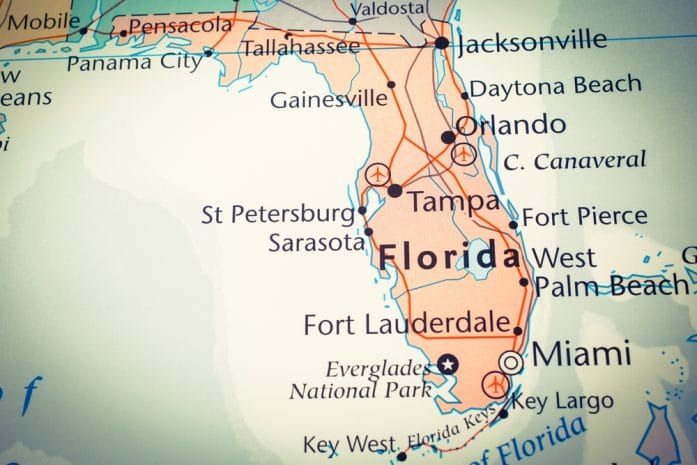
Florida’s insurance market has always had a flair for the dramatic, but last year’s numbers took things to a new level. A 3.35% non-renewal rate may sound small, yet in a state with millions of homeowners, it translates to hundreds of thousands suddenly losing their insurance coverage. It’s the kind of statistic that makes any Floridian pause mid‑coffee sip.
For real estate agents, mortgage professionals, insurance licensees, and homeowners, this shift is more than a headline—it’s a reshaping of Florida’s risk profile. And understanding these changes is becoming essential for anyone working around property. If you’re in the industry and need to stay ahead, continuing education through Cameron Academy can help keep your expertise sharp.
When Storm Damage Becomes a Breaking Point
Florida’s storms are practically characters in our yearly storyline—dramatic, recurring, and often costly. Over recent years, however, the financial aftermath has escalated. NAIC data reveals that Florida leads the nation in non-renewals, with insurers stepping back after repeated storm‑related claims.
Insurers aren’t acting on emotion. When storms become more frequent and more destructive, payouts skyrocket. Eventually, companies tighten underwriting standards or withdraw entirely from high‑risk zones. The irony is hard to miss: the same storms that make insurance essential also make it harder to keep.
The Rising Cost of Rebuilding
The weather isn’t the only culprit. Rising construction expenses—driven by labor shortages, material costs, and lingering supply chain issues—mean each claim costs insurers more than it would have just a few years ago.
As construction costs continue climbing, insurers adjust their risk models, premiums shift upward, and coverage criteria tighten. Homeowners feel the effects long before they ever see the spreadsheets causing it all.
The Legal Landscape: Fraud and Litigation
Florida has long been known for its intense volume of insurance-related litigation. While many claims are legitimate, the sheer quantity of lawsuits—some unnecessary—adds immense financial pressure to insurers.
These expenses ripple outward to homeowners as higher premiums or lost coverage. Even with recent reforms meant to cool the market, improvements will take time. Until then, detailed documentation remains a homeowner’s strongest defense.
Insurers Shrinking Their Footprint
One of the most dramatic developments has been the number of insurers reducing—or outright ending—their operations in Florida. When providers leave, competition shrinks, prices rise, and homeowners face fewer options.
Many affected residents turn to Citizens Property Insurance Corporation, the state-backed insurer of last resort. While essential, Citizens was never intended to hold such a large market share. Today, shopping early and comparing multiple carriers is becoming a must-do rather than an option.
Everyday Homeowners Caught in the Middle
Losing insurance coverage isn’t just inconvenient—it can jeopardize mortgages, stall repairs, or create major financial strain. Many homeowners report receiving premium increases double or triple what they previously paid.
Proactive upgrades—modern roofs, wind mitigation improvements, regular maintenance, and detailed documentation—can help maintain good standing with insurers.
What Homeowners Can Do Moving Forward
While homeowners can’t control the weather or underwriting algorithms, they can take steps to stay protected. Start shopping for renewal options early, maintain your property diligently, and stay informed as legislative shifts continue.
For real estate and insurance professionals, knowledge is your currency. If you’re earning or upgrading your license, Cameron Academy offers flexible, affordable programs built to keep you competitive in a changing market.
A Market in Motion
Florida’s 3.35% non-renewal rate isn’t just a statistic—it’s a snapshot of an evolving marketplace shaped by storms, rising costs, legal pressures, and insurer strategies. The professionals who understand these forces will be the ones best positioned to guide homeowners through uncertainty.
What changes have you seen in your own insurance situation? Share your experience below.
Getting licensed or staying ahead in your career can be a journey—but it doesn’t have to be overwhelming. Grab your favorite coffee or tea, take a moment to relax, and browse through our articles. Whether you’re just starting out or renewing your expertise, we’ve got tips, insights, and advice to keep you moving forward. Here’s to your success—one sip and one step at a time!
December is bringing more than holiday stress—mortgage rates are climbing as the Federal Reserve delivers mixed signals and key economic reports face delays. After sharp swings in November, analysts expect rates to rise through the month, with internal disagreements among Fed members adding to the turbulence. As lenders recalibrate their expectations for early 2026, buyers and industry professionals should brace for rapid, unpredictable rate movements.
Artificial intelligence is rapidly transforming how real estate professionals work, and this week’s updates highlight just how fast the tech is evolving. Rechat’s new integration with Follow Up Boss streamlines CRM, marketing, and communication into one powerful workflow. RealScout has introduced an AI‑driven search tool built specifically for agents, delivering precise results from natural language prompts. Meanwhile, UtahRealEstate.com has launched AI voice search for consumers, offering real‑time conversational home‑finding. Together, these advancements signal a new era of efficiency and opportunity for both new and seasoned real estate professionals.
The Government Accountability Office is urging the FHFA to issue clear, updated guidance for Fannie Mae and Freddie Mac as AI‑driven tools reshape the mortgage industry. With automated valuations, underwriting systems, and algorithmic advertising carrying risks of embedded bias, regulators fear that fast‑moving proptech innovations may unintentionally reinforce past discrimination. The call for action comes as federal oversight shifts and industry professionals face growing pressure to stay compliant in an increasingly digital housing market.
Florida’s real estate and insurance sectors are undergoing major end‑of‑year shifts, from new AI oversight proposals and cooling housing markets to rising insurance premiums and transformative housing legislation. With inventory changes, pricing corrections, and new educational opportunities emerging across the state, professionals and students alike can use these insights to stay ahead in a rapidly evolving 2025–2026 landscape.
New analysis shows that eliminating property taxes in Florida—an idea promoted by Governor Ron DeSantis—could instantly raise home prices by 7 to 9 percent. While current homeowners may welcome the boost, experts warn it would worsen the state’s affordability crisis and shift tax burdens elsewhere, making it harder for future buyers and first‑time homeowners to enter the market.
Cyprus is rolling out sweeping housing and construction reforms, including fast‑track permits, incentives for affordable development, and a push for EU‑wide housing strategy. With single‑ and two‑family home approvals targeted at 40 days and apartment buildings at 80, the nation is tackling delays and boosting supply—offering insights and parallels for U.S. real estate and development professionals watching global trends.