Florida’s 3.35% Home Insurance Non‑Renewal Rate: Why Hundreds of Thousands Lost Coverage
Florida’s insurance market has always had a flair for the dramatic, but last year’s numbers took things to a new level. A 3.35% non-renewal rate may sound small, yet in a state with millions of homeowners, it translates to hundreds of thousands suddenly losing their insurance coverage. It’s the kind of statistic that makes any Floridian pause mid‑coffee sip.
For real estate agents, mortgage professionals, insurance licensees, and homeowners, this shift is more than a headline—it’s a reshaping of Florida’s risk profile. And understanding these changes is becoming essential for anyone working around property. If you’re in the industry and need to stay ahead, continuing education through Cameron Academy can help keep your expertise sharp.
When Storm Damage Becomes a Breaking Point
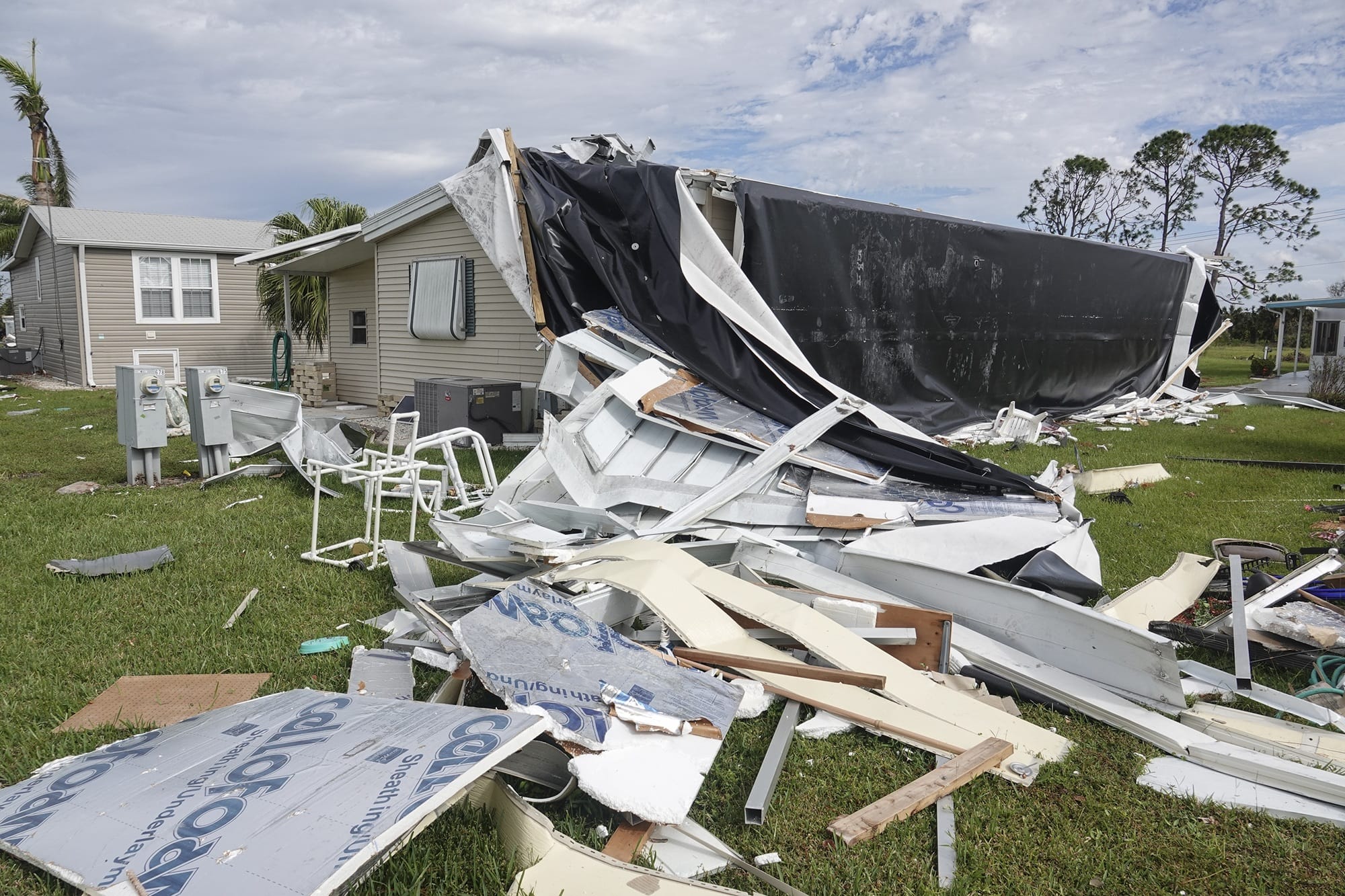
Florida’s storms are practically characters in our yearly storyline—dramatic, recurring, and often costly. Over recent years, however, the financial aftermath has escalated. NAIC data reveals that Florida leads the nation in non-renewals, with insurers stepping back after repeated storm‑related claims.
Insurers aren’t acting on emotion. When storms become more frequent and more destructive, payouts skyrocket. Eventually, companies tighten underwriting standards or withdraw entirely from high‑risk zones. The irony is hard to miss: the same storms that make insurance essential also make it harder to keep.
The Rising Cost of Rebuilding
The weather isn’t the only culprit. Rising construction expenses—driven by labor shortages, material costs, and lingering supply chain issues—mean each claim costs insurers more than it would have just a few years ago.
As construction costs continue climbing, insurers adjust their risk models, premiums shift upward, and coverage criteria tighten. Homeowners feel the effects long before they ever see the spreadsheets causing it all.
The Legal Landscape: Fraud and Litigation
Florida has long been known for its intense volume of insurance-related litigation. While many claims are legitimate, the sheer quantity of lawsuits—some unnecessary—adds immense financial pressure to insurers.
These expenses ripple outward to homeowners as higher premiums or lost coverage. Even with recent reforms meant to cool the market, improvements will take time. Until then, detailed documentation remains a homeowner’s strongest defense.
Insurers Shrinking Their Footprint
One of the most dramatic developments has been the number of insurers reducing—or outright ending—their operations in Florida. When providers leave, competition shrinks, prices rise, and homeowners face fewer options.
Many affected residents turn to Citizens Property Insurance Corporation, the state-backed insurer of last resort. While essential, Citizens was never intended to hold such a large market share. Today, shopping early and comparing multiple carriers is becoming a must-do rather than an option.
Everyday Homeowners Caught in the Middle
Losing insurance coverage isn’t just inconvenient—it can jeopardize mortgages, stall repairs, or create major financial strain. Many homeowners report receiving premium increases double or triple what they previously paid.
Proactive upgrades—modern roofs, wind mitigation improvements, regular maintenance, and detailed documentation—can help maintain good standing with insurers.
What Homeowners Can Do Moving Forward
While homeowners can’t control the weather or underwriting algorithms, they can take steps to stay protected. Start shopping for renewal options early, maintain your property diligently, and stay informed as legislative shifts continue.
For real estate and insurance professionals, knowledge is your currency. If you’re earning or upgrading your license, Cameron Academy offers flexible, affordable programs built to keep you competitive in a changing market.
A Market in Motion
Florida’s 3.35% non-renewal rate isn’t just a statistic—it’s a snapshot of an evolving marketplace shaped by storms, rising costs, legal pressures, and insurer strategies. The professionals who understand these forces will be the ones best positioned to guide homeowners through uncertainty.
What changes have you seen in your own insurance situation? Share your experience below.
Getting licensed or staying ahead in your career can be a journey—but it doesn’t have to be overwhelming. Grab your favorite coffee or tea, take a moment to relax, and browse through our articles. Whether you’re just starting out or renewing your expertise, we’ve got tips, insights, and advice to keep you moving forward. Here’s to your success—one sip and one step at a time!
Florida now holds the highest foreclosure rate in the country, and Tampa sits at the center of the surge. With one in every 1,373 homes facing foreclosure, skyrocketing insurance premiums, rising housing costs and reduced equity are pushing many homeowners—especially those who purchased between 2020 and 2023—into financial distress. While some experts view the spike as a market “normalization,” professionals in real estate and finance are watching closely as Tampa’s backlog clears and pressure continues to build across the state.
Two former 3M campuses in Northwest Austin are set for a dramatic rebirth as Karlin Real Estate pushes forward with plans for Highpoint 2222 and the Duval site. The vision includes office and lab space, up to 65,000 square feet of retail, more than 1,200 multifamily homes, and new green space. With over 500 residents weighing in through the 2222 Coalition of Neighborhood Associations, traffic, density, and environmental protections are shaping the final blueprint. As office demand cools, mixed‑use development is becoming the new normal—positioning this corridor for one of the biggest transformations Austin has seen in years.
Despite constant headlines about a “housing crisis,” many economists and industry professionals argue the reality is more nuanced. In many regions, the issue isn’t a lack of homes but a mismatch between what’s available and what buyers want or can afford. As demographic shifts and remote work reshape demand, the market is evolving—not collapsing—creating opportunities for real estate, mortgage, insurance, and finance professionals who understand the difference between perception and reality.
Hurricane Ian’s aftermath has exposed a growing affordability crisis across Southwest Florida. Skyrocketing insurance premiums, soaring construction costs, and rapid gentrification are making it harder for long‑time residents and middle‑class families to stay in their communities. From Fort Myers Beach to inland neighborhoods, homeowners, renters, and small businesses are feeling the pressure as rising costs reshape the region’s housing market and push many to reconsider their future in the state.
Florida’s home insurance market is facing its biggest credibility crisis in years. Despite major reforms meant to stabilize the system, homeowners are being pushed from Citizens into higher‑priced private insurers, many tied to companies that previously collapsed. Questionable financial ratings, high claim‑denial rates, and luxury‑level executive payouts are raising red flags across the state. For real estate and insurance professionals, this unstable landscape is reshaping home affordability, buyer confidence, and long‑term risk in Florida’s property market.
A new Michigan House bill aims to let licensed professionals complete all continuing education requirements online, offering greater flexibility for workers juggling rural travel, multiple jobs, or family demands. Supporters say the reform maintains high professional standards while removing unnecessary barriers, with regulators backing the shift and in‑person options remaining available.