Florida’s Insurance Showdown: The Political Storm Driving 2026 — And Why It Matters for Every Property Professional
Florida’s insurance market is reshaping itself in real time — and the rest of the country is watching. With 2026 on the horizon, Florida’s leaders have launched a fierce debate over whether the state’s sweeping insurance reforms are a breakthrough or a breakdown, leaving homeowners, condo owners, and real estate professionals caught in the middle.
This political tug‑of‑war was spotlighted in a recent
WPTV investigation, which examined how Florida’s affordability crisis — driven by soaring property and auto insurance — is becoming the defining issue of the next election cycle.
Republicans Say Reforms Are Working: “Things Are Looking Up”
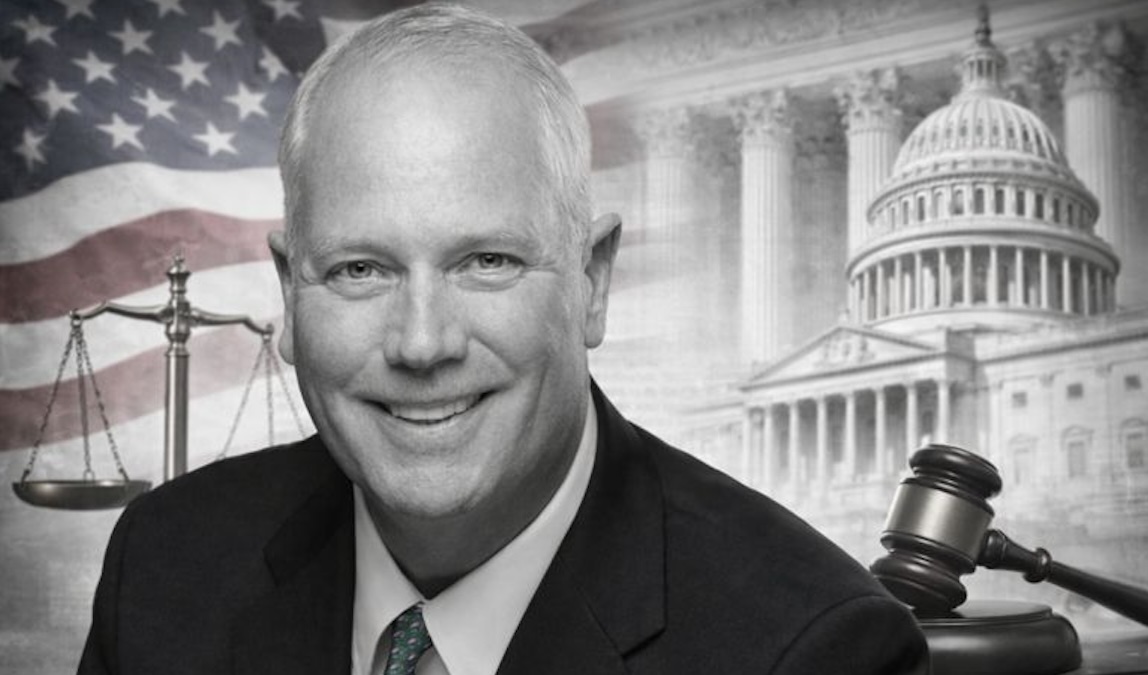
Florida CFO Blaise Ingoglia insists that the state’s multi-year insurance overhaul is finally delivering results. In an interview with Scripps Capitol reporter Forrest Saunders, Ingoglia pointed to what he calls “drastic movement” in Florida’s auto insurance market.
He referenced recent developments in which major insurers have been forced to return excess profits to policyholders — including a
$1 billion refund by Progressive — as well as a 10% rate reduction from State Farm.
“When you look at the reforms we did three years ago, clearly the reforms are working. We’re just asking for people to continue to be patient on the homeowner’s insurance market.”
Republican leaders say reinsurance prices are easing and new carriers are coming back into Florida’s marketplace. They argue that the worst is behind the state — as long as Florida does not reverse course.
Democrats: “Families Can’t Wait”
Democratic lawmakers reject the optimism, arguing that the relief is not reaching real Floridians — especially homeowners and condo owners squeezed by skyrocketing premiums.
Senate Minority Leader Lori Berman said Florida remains one of the most expensive states in the nation for insurance, calling the situation “unacceptable” during an October
press conference.
Supporting their position, new data from
Realtor.com
shows condo prices dropping more than 8% year‑over‑year due to massive post‑Surfside insurance spikes and rising HOA fees. Five Florida cities remain among the nation’s highest insurance-burdened markets.
On top of that,
Bankrate
ranks Florida as the most expensive state in the nation for auto insurance — averaging over $4,100 per year.
“We want to make sure we are approaching the affordability crisis in a way that actually helps families,” said House Minority Leader Fentrice Driskell. She argues for stronger regulation, rate‑hike caps, and more transparency.
Democrats also warn that Republican-backed property tax amendments could threaten public services while distracting from the real cost driver: insurance.
A Defining Battle Ahead of 2026
From homeowners locked into rising premiums to condo associations hitting breaking points, Florida is bracing for a pivotal year. Insurance, not taxes, is increasingly becoming the issue voters are talking about — and candidates cannot ignore it.
Lawmakers return to Tallahassee on January 13, where the debate will almost certainly intensify.
Want to understand Florida’s real estate and insurance landscape from a professional perspective?
Whether you’re expanding your career in real estate, insurance, mortgage, or other professional fields,
Cameron Academy helps you stay licensed, informed, and ahead of industry changes.
Visit CameronAcademy.com to explore courses built for working professionals.
To explore the original investigation and follow ongoing coverage of Florida’s insurance challenges, visit
WPTV’s full report here.
More Articles
Getting licensed or staying ahead in your career can be a journey—but it doesn’t have to be overwhelming. Grab your favorite coffee or tea, take a moment to relax, and browse through our articles. Whether you’re just starting out or renewing your expertise, we’ve got tips, insights, and advice to keep you moving forward. Here’s to your success—one sip and one step at a time!
The title and real estate industries are entering their most dramatic compliance overhaul in decades. FinCEN’s new anti‑money‑laundering rule now applies to every state, enforces a first‑dollar reporting requirement, and places full responsibility on settlement agents. With the rule already in effect and mandatory reporting beginning March 1, 2026, professionals face urgent operational changes involving software, training, and entity‑buyer disclosures. Combined with state‑level rate shifts and heightened scrutiny of attorney opinion letters, 2025 marks a turning point that demands stronger compliance literacy across the entire real estate and finance ecosystem.
Retirement planning went through major changes in 2025, from new SECURE Act updates to shifting investment behaviors. As we move into 2026, seven key trends are reshaping how Americans save and build long‑term wealth. These shifts matter not only for everyday investors but also for professionals across real estate, finance, mortgage, insurance, and other licensed fields. Understanding these developments can help you strengthen your own financial strategy while staying competitive in your career.
Florida’s housing market is cooling faster than any other state, and soaring insurance premiums are the primary force driving buyers away. With cancellation rates in major metros topping 20%, steep price drops across Southwest Florida, rising HOA and condo fees, and thousands of homes added to new flood zones, many buyers are discovering that insurance—not the mortgage—is what kills the deal. As Citizens shrinks and new legislation raises coverage requirements, professionals in real estate, mortgage, and insurance must adapt quickly to a market where affordability hinges on risk, regulation, and rising premiums.
Commercial real estate is entering 2026 with renewed optimism as pricing floors, revitalized capital markets, and improved market visibility signal a shift away from the volatility of 2025. Analysts from Deloitte, Colliers, Cushman & Wakefield, and CoStar highlight firmer fundamentals, rising deal flow, and increased lender participation. Key sectors such as office, industrial, retail, multifamily, and data centers are showing distinct recovery patterns, positioning industry professionals and students for new opportunities in the year ahead.
Florida’s property insurance market is finally stabilizing after years of storms, lawsuits, and rising rates — yet many homeowners are still seeing higher bills. The reason isn’t the rates themselves but soaring replacement values driven by inflation in labor and building materials. Even as insurers lower rates, the cost to rebuild a home continues to rise, making up roughly 75% of recent premium increases. With new insurers entering the market and reforms taking effect, homeowners now have more options to shop, recalculate coverage, and control their costs.
The 2026 job market is shifting fast, and the biggest winners will be professionals who can prove they’re continuously learning. With more than 90% of employers now preferring candidates with microcredentials, short targeted certificates are becoming the new career currency. From AI and data skills to modern communication and adaptability, microcredentials are helping workers stand out in a competitive landscape — especially as industries like real estate, mortgage, insurance, and finance demand ongoing upskilling.