Florida’s Insurance Chief Asks: Have You Actually Read Your Policy?
Most people don’t need help falling asleep, but if you live in hurricane-prone Florida, you might want to pour a strong coffee and crack open your homeowners insurance policy. Behind page after page of fine print, you’ll find details that could determine whether your next storm claim gets paid—or denied.
Key highlights from the state’s latest insurance concerns:
• Florida’s insurance regulator wants simplified, shorter policy documents.
• Many homeowners misunderstand exclusions—especially water and flood limitations.
• Huge portions of hurricane claims are being closed without payment.
• Rising home replacement costs keep premiums high despite stabilization.
The Herald-Tribune’s full report dives deep into just how unreadable Florida policies have become. Some exceed 150 pages—and most homeowners never make it past the price tag.
The Commissioner Says Even Pros Don’t Read Them
Florida Insurance Commissioner Mike Yaworsky told legislators that even industry professionals struggle to fully digest a modern homeowners policy.
“In all likelihood, if I asked for a show of hands… I don’t know how many would say, ‘Yes’—I’ve read my insurance policy,” he admitted.
His mission: boil down these complex contracts so residents actually understand the protections they’re buying for the biggest investment of their lives.
Florida Homeowners Are Learning the Hard Way
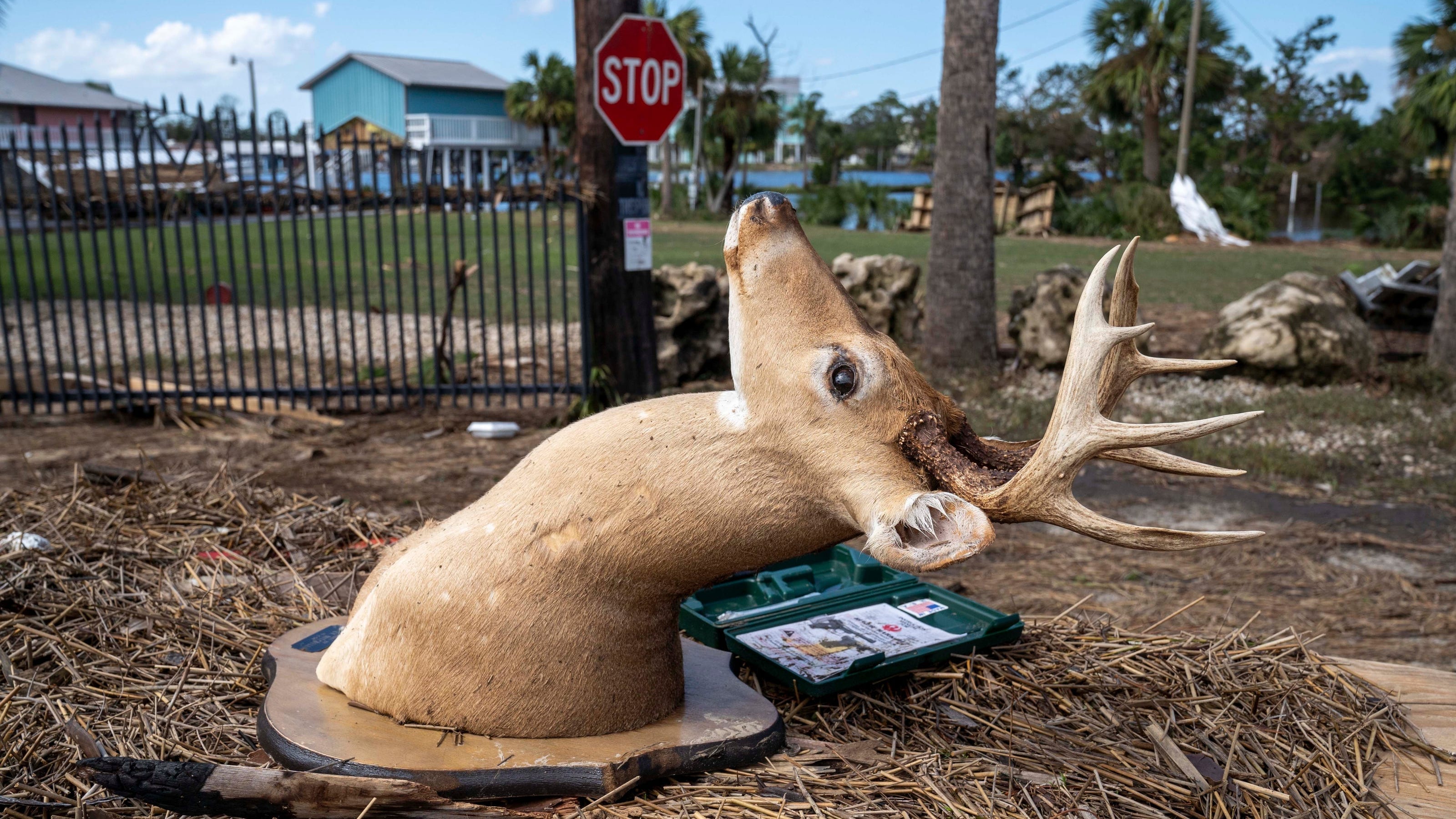
Statistics from Hurricanes Milton and Helene show tens of thousands of homeowners didn’t get the payouts they expected. After Milton, 34%—over 111,000 claims—were closed with no payment. For Helene, more claims were denied than approved.
A big reason? Many Floridians didn’t realize hurricane insurance doesn’t cover flood damage—even if the flood happens during a hurricane. Storm surge is excluded unless you have a separate flood insurance policy.
Common homeowner surprises:
• Water-damage caps as low as $10,000
• “Managed repair” programs forcing use of designated contractors
• Flood damage excluded from hurricane coverage
• Deductibles shown as percentages, not clear dollar amounts
Experts Agree: Policies Are Confusing, and Costs Still Sting
Insurance agents and attorneys quoted in the story shared that even professionals skip fine print. Meanwhile, consumers remain laser-focused on one thing: price. Though rate spikes have cooled, Floridians still feel the pinch as home replacement costs soar.
Polls show property insurance has been the state’s top concern for years—with housing costs now tied for first place.
Why This Matters for Real Estate and Licensing Professionals
For real estate agents, mortgage professionals, adjusters, and insurance advisors, understanding the shifting Florida insurance landscape isn’t just helpful—it’s essential. Clients look to industry pros to explain risks, guide coverage decisions, and help them avoid costly misunderstandings.
This is exactly why ongoing education matters. At Cameron Academy, we train real estate, insurance, mortgage, and other licensed professionals across all 50 states—helping them stay sharp, informed, and prepared for changes like these.
Florida homeowners may not enjoy flipping through 150 pages of exclusions and legalese—but doing so could be the difference between a lifesaver check and a painful denial after the next hurricane.
And if the Insurance Commissioner gets his way, those pages may finally become readable.
Getting licensed or staying ahead in your career can be a journey—but it doesn’t have to be overwhelming. Grab your favorite coffee or tea, take a moment to relax, and browse through our articles. Whether you’re just starting out or renewing your expertise, we’ve got tips, insights, and advice to keep you moving forward. Here’s to your success—one sip and one step at a time!
Artificial intelligence is speeding ahead, but real estate is discovering a hard truth: AI can’t work well on messy, inconsistent, and siloed data. Unlike finance or e‑commerce, the industry has never agreed on shared definitions or standardized frameworks, making it difficult for AI tools to interpret information at scale. Now, leaders across real estate are realizing that the real breakthrough won’t come from smarter algorithms—it will come from finally unifying the industry’s fragmented data so AI can deliver its full value.
Manhattan’s iconic Waldorf Astoria is hitting the market again—and its billion‑dollar price tag may reveal whether commercial real estate is finally recovering. After years of inflation, shutdowns, and stalled investment, new forecasts from major firms show growing optimism, making this sale a critical test for the 2026 market.
Homeowners across Florida are facing sharp increases in their escrow payments as insurance premiums continue to rise. With insurers leaving the state, rates climbing, and replacement policies costing far more, many residents are experiencing sudden spikes in their monthly mortgage bills. These escalating insurance-driven escrow costs are reshaping affordability, influencing buyer qualifications, and redefining financial stability for Floridians and the broader real estate market.
The modern MLS marketplace is one of real estate’s greatest success stories: transparent, efficient, and designed to help buyers and sellers win. But its very effectiveness has sparked a new risk — professionals looking to “stand out” by limiting exposure and restricting information. Research shows that full MLS visibility can boost a seller’s price by $50,000 to $75,000, yet off‑market tactics threaten to chip away at the system that delivers those gains. The MLS doesn’t need replacing; it needs thoughtful upgrades and well‑trained professionals who know how to protect and leverage its power.
Florida homeowners are being hit with a new kind of sticker shock as rising insurance premiums push escrow payments sharply higher, adding hundreds of dollars to monthly mortgage bills. The surge is reshaping budgets, impacting buyer qualification, and redefining affordability across the state. With insurers pulling back and premiums climbing faster than wages, both current owners and hopeful buyers must now navigate a market where insurance risk—not just home price—plays a major role in the true cost of living in the Sunshine State.
Florida’s mobile and manufactured homes are surging in popularity, but insuring them requires specialized HO-7 coverage designed for structures built off-site and more vulnerable to wind and weather. With rising premiums, unique risks, and new 2026 market shifts, homeowners and industry professionals need to understand what these policies cover, what they don’t, which insurers are leading the pack, and how to save without sacrificing protection.