Florida’s Insurance Chief Asks: Have You Actually Read Your Policy?
Most people don’t need help falling asleep, but if you live in hurricane-prone Florida, you might want to pour a strong coffee and crack open your homeowners insurance policy. Behind page after page of fine print, you’ll find details that could determine whether your next storm claim gets paid—or denied.
Key highlights from the state’s latest insurance concerns:
• Florida’s insurance regulator wants simplified, shorter policy documents.
• Many homeowners misunderstand exclusions—especially water and flood limitations.
• Huge portions of hurricane claims are being closed without payment.
• Rising home replacement costs keep premiums high despite stabilization.
The Herald-Tribune’s full report dives deep into just how unreadable Florida policies have become. Some exceed 150 pages—and most homeowners never make it past the price tag.
The Commissioner Says Even Pros Don’t Read Them
Florida Insurance Commissioner Mike Yaworsky told legislators that even industry professionals struggle to fully digest a modern homeowners policy.
“In all likelihood, if I asked for a show of hands… I don’t know how many would say, ‘Yes’—I’ve read my insurance policy,” he admitted.
His mission: boil down these complex contracts so residents actually understand the protections they’re buying for the biggest investment of their lives.
Florida Homeowners Are Learning the Hard Way
Statistics from Hurricanes Milton and Helene show tens of thousands of homeowners didn’t get the payouts they expected. After Milton, 34%—over 111,000 claims—were closed with no payment. For Helene, more claims were denied than approved.
A big reason? Many Floridians didn’t realize hurricane insurance doesn’t cover flood damage—even if the flood happens during a hurricane. Storm surge is excluded unless you have a separate flood insurance policy.
Common homeowner surprises:
• Water-damage caps as low as $10,000
• “Managed repair” programs forcing use of designated contractors
• Flood damage excluded from hurricane coverage
• Deductibles shown as percentages, not clear dollar amounts
Experts Agree: Policies Are Confusing, and Costs Still Sting
Insurance agents and attorneys quoted in the story shared that even professionals skip fine print. Meanwhile, consumers remain laser-focused on one thing: price. Though rate spikes have cooled, Floridians still feel the pinch as home replacement costs soar.
Polls show property insurance has been the state’s top concern for years—with housing costs now tied for first place.
Why This Matters for Real Estate and Licensing Professionals
For real estate agents, mortgage professionals, adjusters, and insurance advisors, understanding the shifting Florida insurance landscape isn’t just helpful—it’s essential. Clients look to industry pros to explain risks, guide coverage decisions, and help them avoid costly misunderstandings.
This is exactly why ongoing education matters. At Cameron Academy, we train real estate, insurance, mortgage, and other licensed professionals across all 50 states—helping them stay sharp, informed, and prepared for changes like these.
Florida homeowners may not enjoy flipping through 150 pages of exclusions and legalese—but doing so could be the difference between a lifesaver check and a painful denial after the next hurricane.
And if the Insurance Commissioner gets his way, those pages may finally become readable.
Getting licensed or staying ahead in your career can be a journey—but it doesn’t have to be overwhelming. Grab your favorite coffee or tea, take a moment to relax, and browse through our articles. Whether you’re just starting out or renewing your expertise, we’ve got tips, insights, and advice to keep you moving forward. Here’s to your success—one sip and one step at a time!
In 2026, financial advisors are no longer just experimenting with AI — they’re relying on it. Once confined to back-office duties, AI now supports meeting prep, portfolio analysis, and even early-stage financial planning. Advisors say the tech is strengthening client relationships by freeing them from administrative overload, though entry-level roles like paraplanners may feel the squeeze as automation accelerates.
Cybercriminals are weaponizing AI to launch highly convincing email scams and system breaches across the mortgage industry, overwhelming lenders and servicers whose cybersecurity measures can’t keep up. With major companies already hit and regulation lagging behind, experts warn the sector—now considered critical infrastructure—must rapidly upgrade protections, collaborate on threat intelligence, and improve AI governance before the risks escalate further.
Escrow payments are quietly surging across the country as property taxes and insurance premiums spike—pushing many homeowners toward delinquencies and even foreclosure. New data from Cotality shows the sharpest increases hitting the South and Midwest, with Florida among the hardest‑hit states. Even with fixed mortgage rates, rising escrow requirements are driving monthly payments higher and threatening affordability heading into 2026.
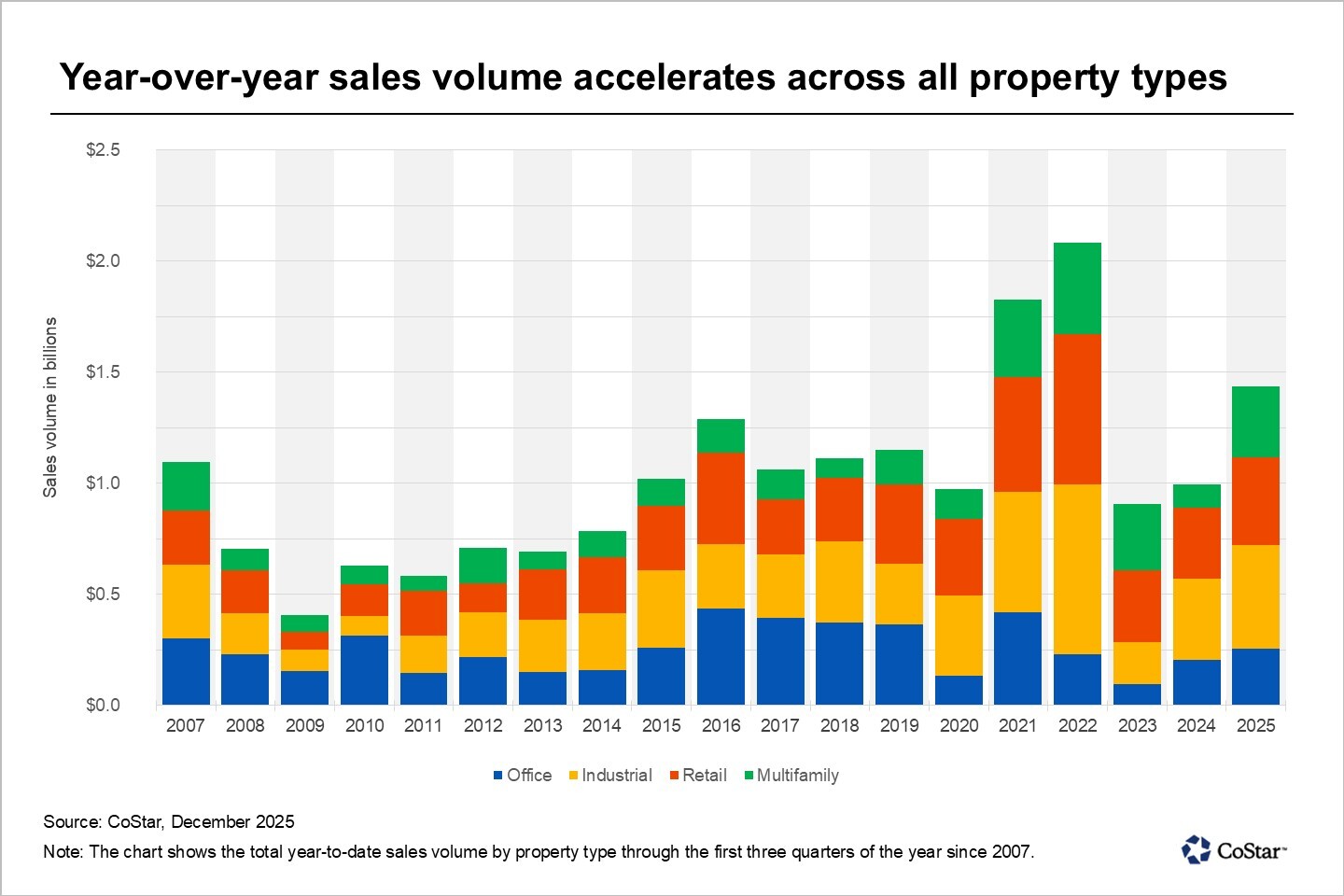
Milwaukee entered 2025 with renewed momentum, posting its strongest commercial real estate sales volume in three years. After a period of uncertainty and high capital costs, investors are returning with a sharper focus on quality assets, realistic pricing, and reliable cash flow. Activity is increasing across industrial, office, multifamily, and retail sectors, signaling a broad-based recovery fueled by stabilizing interest rates and improved market confidence.
As 2026 approaches, the title insurance industry is navigating a complex mix of market recovery, rising fraud threats, and sweeping regulatory changes. Industry leaders say the path forward centers on smarter technology, leaner operations, and stronger support for title agents. With AI-driven workflows, enhanced fraud prevention, and new compliance demands—including FinCEN’s expanded Geographic Targeting Orders—companies like Stewart and First American are reshaping how title work gets done. For real estate and mortgage professionals, the year ahead promises more automation, heightened standards, and major opportunities for those who stay ahead of the curve.
The real estate industry is undergoing a major transformation in 2025 as advancements in AI, proptech, blockchain, and data intelligence redefine how properties are marketed, valued, financed, and experienced. From instant digital valuations and immersive virtual tours to tokenized investments and predictive analytics, technology is reshaping every stage of the real estate lifecycle. Professionals who embrace these innovations—while maintaining the human expertise clients still rely on—will lead the next era of the industry.