Florida’s Insurance Chief Asks: Have You Actually Read Your Policy?
Most people don’t need help falling asleep, but if you live in hurricane-prone Florida, you might want to pour a strong coffee and crack open your homeowners insurance policy. Behind page after page of fine print, you’ll find details that could determine whether your next storm claim gets paid—or denied.
Key highlights from the state’s latest insurance concerns:
• Florida’s insurance regulator wants simplified, shorter policy documents.
• Many homeowners misunderstand exclusions—especially water and flood limitations.
• Huge portions of hurricane claims are being closed without payment.
• Rising home replacement costs keep premiums high despite stabilization.
The Herald-Tribune’s full report dives deep into just how unreadable Florida policies have become. Some exceed 150 pages—and most homeowners never make it past the price tag.
The Commissioner Says Even Pros Don’t Read Them
Florida Insurance Commissioner Mike Yaworsky told legislators that even industry professionals struggle to fully digest a modern homeowners policy.
“In all likelihood, if I asked for a show of hands… I don’t know how many would say, ‘Yes’—I’ve read my insurance policy,” he admitted.
His mission: boil down these complex contracts so residents actually understand the protections they’re buying for the biggest investment of their lives.
Florida Homeowners Are Learning the Hard Way
Statistics from Hurricanes Milton and Helene show tens of thousands of homeowners didn’t get the payouts they expected. After Milton, 34%—over 111,000 claims—were closed with no payment. For Helene, more claims were denied than approved.
A big reason? Many Floridians didn’t realize hurricane insurance doesn’t cover flood damage—even if the flood happens during a hurricane. Storm surge is excluded unless you have a separate flood insurance policy.
Common homeowner surprises:
• Water-damage caps as low as $10,000
• “Managed repair” programs forcing use of designated contractors
• Flood damage excluded from hurricane coverage
• Deductibles shown as percentages, not clear dollar amounts
Experts Agree: Policies Are Confusing, and Costs Still Sting
Insurance agents and attorneys quoted in the story shared that even professionals skip fine print. Meanwhile, consumers remain laser-focused on one thing: price. Though rate spikes have cooled, Floridians still feel the pinch as home replacement costs soar.
Polls show property insurance has been the state’s top concern for years—with housing costs now tied for first place.
Why This Matters for Real Estate and Licensing Professionals
For real estate agents, mortgage professionals, adjusters, and insurance advisors, understanding the shifting Florida insurance landscape isn’t just helpful—it’s essential. Clients look to industry pros to explain risks, guide coverage decisions, and help them avoid costly misunderstandings.
This is exactly why ongoing education matters. At Cameron Academy, we train real estate, insurance, mortgage, and other licensed professionals across all 50 states—helping them stay sharp, informed, and prepared for changes like these.
Florida homeowners may not enjoy flipping through 150 pages of exclusions and legalese—but doing so could be the difference between a lifesaver check and a painful denial after the next hurricane.
And if the Insurance Commissioner gets his way, those pages may finally become readable.
Select options
This product has multiple variants. The options may be chosen on the product page
Details
More Articles
Getting licensed or staying ahead in your career can be a journey—but it doesn’t have to be overwhelming. Grab your favorite coffee or tea, take a moment to relax, and browse through our articles. Whether you’re just starting out or renewing your expertise, we’ve got tips, insights, and advice to keep you moving forward. Here’s to your success—one sip and one step at a time!
While most people chase AI stocks or compete for high‑pressure tech jobs, the real opportunity may be unfolding in AI boomtown real estate. As companies like OpenAI, Anthropic, Microsoft, and NVIDIA mint new waves of wealthy workers, demand for housing in key cities is exploding. From San Francisco to Austin, AI‑driven markets are seeing rising rents, limited inventory, and buyers preparing for massive IPO windfalls. For real estate professionals—or anyone entering the field—this surge represents one of the strongest long‑term opportunities in the industry.
Florida is ending its 1 percent emergency insurance surcharge two years ahead of schedule, saving homeowners an estimated 650 million dollars through 2028. Thanks to a calm hurricane season, fewer insurer failures, and reduced lawsuits, officials say the state’s property insurance market is now in its strongest financial position in a decade. The change offers relief for homeowners and new momentum for Florida’s real estate industry, where lower insurance costs can boost buyer confidence and support smoother transactions.
A growing political push to block institutional investors from buying single-family homes may sound like a pro-homeowner policy, but the data shows it could do the opposite. Younger and racially diverse renters rely heavily on single-family rentals as an affordable, stable alternative to buying—yet restricting investor participation would shrink this supply, pushing many families into overcrowded housing, motels, or homelessness. The real issue isn’t who buys the homes, but that America doesn’t have enough of them.
Zillow’s 2026 Agent Trends Survey reveals a major shift in what agents value most: technology that reduces mental drain. Nearly half of agents now use AI tools daily, yet most still juggle multiple platforms that sap their focus. Zillow’s upcoming unified platform, Zillow Pro, aims to streamline workflows and cut cognitive load. The survey also highlights key industry trends, including buyer financial literacy gaps, the importance of relationships for lead generation and the growing need for tech fluency among both new and seasoned real estate professionals.
Florida’s housing market is still surging, with luxury enclaves like Lake Buena Vista, Jupiter Island, and Golden Beach seeing massive six‑figure price jumps in just one year. Smaller towns such as Old Town, Cross City, and Hosford also posted steady gains, proving demand is rising statewide. For real estate professionals, these trends highlight where buyers are moving, where inventory is tight, and where future opportunities lie—making market literacy an essential advantage for anyone pursuing or expanding a career in Florida real estate.
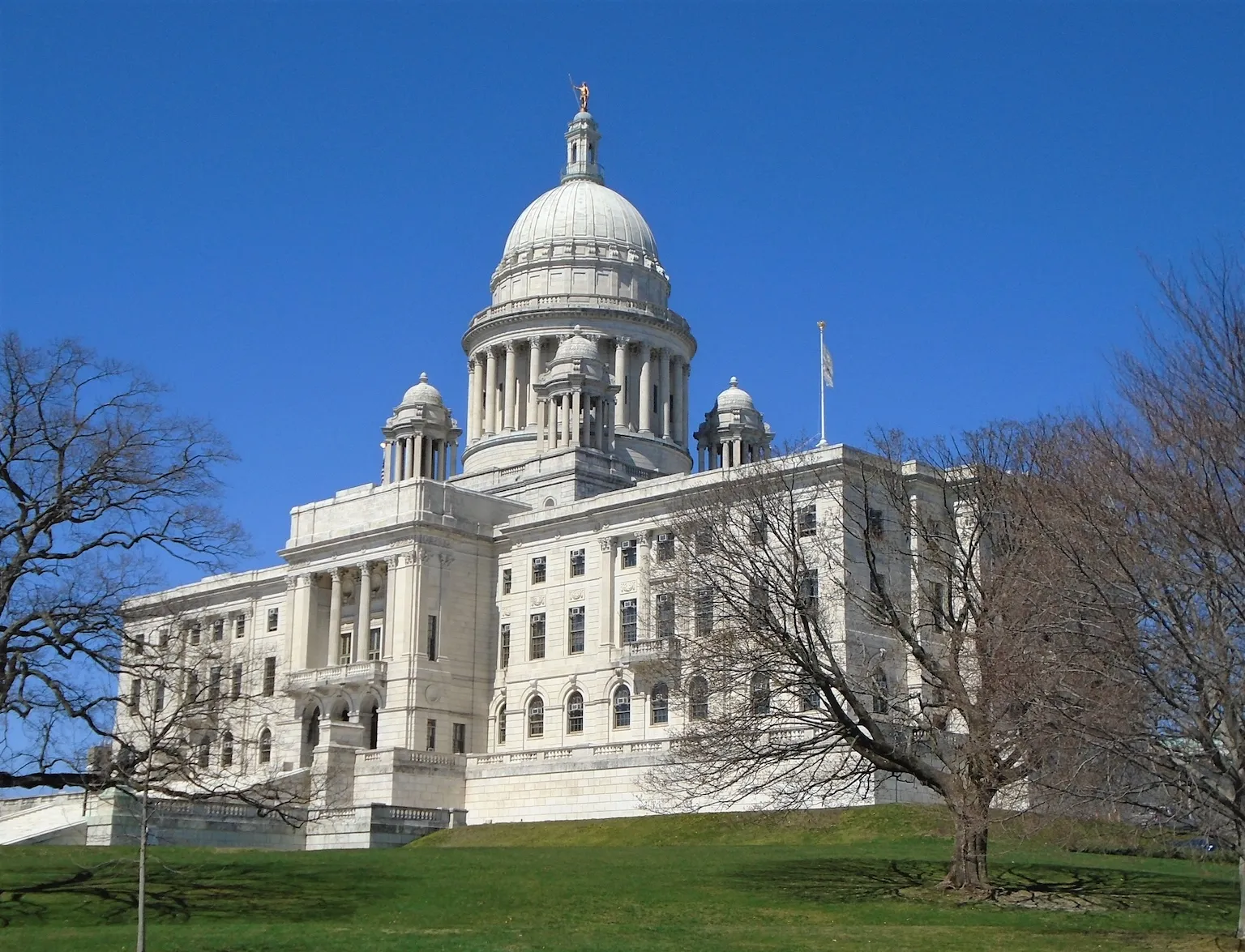
Rhode Island is launching its sixth major housing reform package, aiming to boost affordability through zoning updates, lot splits, code changes, and the revival of single room occupancy and co‑living housing. With the state still recovering from years of underbuilding and soaring home prices, lawmakers hope these reforms will unlock new supply, ease pressure on renters and buyers, and create fresh opportunities for real estate professionals.