Florida’s Property Insurance Battle Heats Up: A 2026 Showdown in the Making
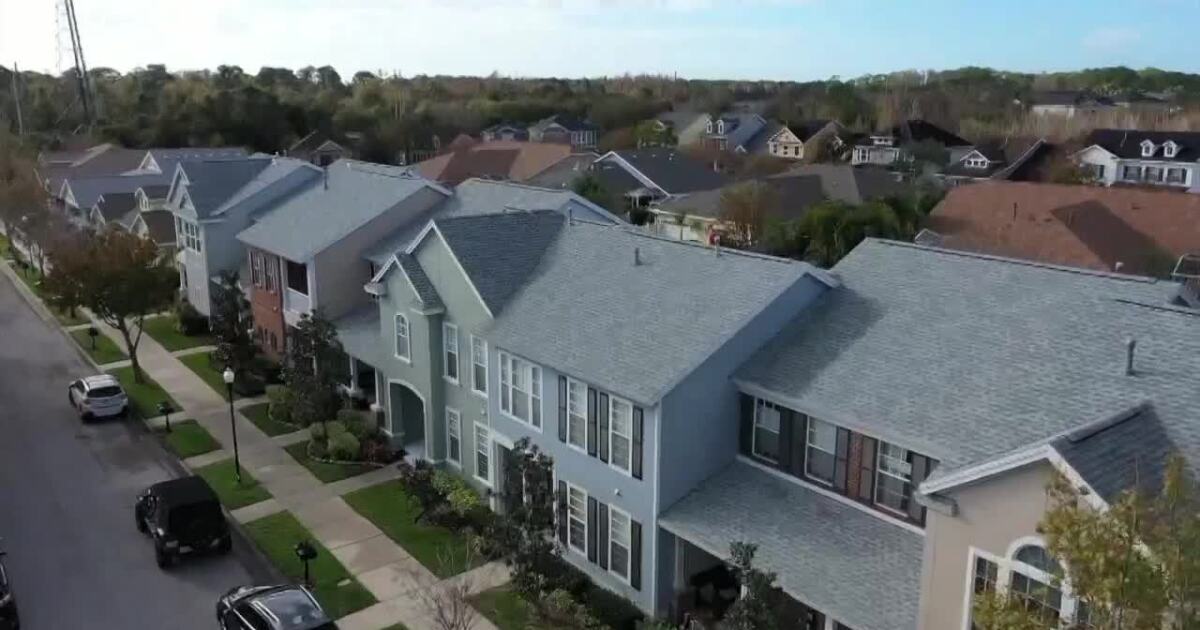
Florida neighborhood aerial view

Florida’s political and economic landscape is shifting again—this time around the soaring cost of property and auto insurance. As homeowners continue tightening budgets, state leaders are preparing for what is shaping into a defining affordability showdown ahead of the 2026 elections.

Two Competing Visions for Florida’s Insurance Future

State Republicans argue the system is finally stabilizing thanks to litigation and fraud reforms enacted over several years. According to Florida CFO Blaise Ingoglia, measurable improvements are already emerging.

“Clearly the reforms are working,” Ingoglia said, referencing shifts in the auto insurance market—including Progressive returning $1 billion in excess profits and State Farm lowering rates by 10%.

Ingoglia maintains that homeowners will soon feel relief as insurers re-enter the state and reinsurance costs trend downward. His message: stay patient—help is coming.

Democrats: “Families Can’t Wait”

Florida Democrats disagree, calling the optimism premature. They point to a worsening affordability crisis marked by some of the highest property and auto insurance premiums in the U.S.

Senate Minority Leader Lori Berman emphasized that many Floridians are struggling to remain in their homes purely due to insurance expenses. Supporting data paints a concerning picture—Realtor.com reports condo prices have dropped over 8% statewide, primarily because of rising HOA fees and post‑Surfside insurance spikes.

Florida now ranks as the most expensive auto insurance state in the nation, with annual averages above $4,100 according to Bankrate.

House Minority Leader Fentrice Driskell says Democrats plan to push for aggressive reforms, including rate‑hike caps, stronger storm‑hardening incentives, and more transparency across insurers.

A Defining Issue for 2026

The battle over Florida’s insurance market has evolved from a policy debate into one of the central issues leading into the 2026 legislative session and statewide elections. With homeowners anxious and condo associations stretched thin, decisions made in the coming months will shape Florida’s affordability for years.

Lawmakers reconvene in Tallahassee on January 13, where insurance reform is expected to dominate the agenda.

For continued updates, expert analysis, and deeper insight into Florida’s insurance landscape, explore the full original report at WPTV.

And if you’re navigating Florida’s evolving real estate market—whether earning your license, renewing your credentials, or leveling up your professional edge—Cameron Academy provides flexible, state‑approved programs designed to help you stay ahead in a transforming industry.

More Articles

Getting licensed or staying ahead in your career can be a journey—but it doesn’t have to be overwhelming. Grab your favorite coffee or tea, take a moment to relax, and browse through our articles. Whether you’re just starting out or renewing your expertise, we’ve got tips, insights, and advice to keep you moving forward. Here’s to your success—one sip and one step at a time!

How AI Is Forcing Real Estate to Finally Clean Up Its Data Chaos

Artificial intelligence is speeding ahead, but real estate is discovering a hard truth: AI can’t work well on messy, inconsistent, and siloed data. Unlike finance or e‑commerce, the industry has never agreed on shared definitions or standardized frameworks, making it difficult for AI tools to interpret information at scale. Now, leaders across real estate are realizing that the real breakthrough won’t come from smarter algorithms—it will come from finally unifying the industry’s fragmented data so AI can deliver its full value.

The Waldorf Astoria Sale Could Signal a Commercial Real Estate Comeback

Manhattan’s iconic Waldorf Astoria is hitting the market again—and its billion‑dollar price tag may reveal whether commercial real estate is finally recovering. After years of inflation, shutdowns, and stalled investment, new forecasts from major firms show growing optimism, making this sale a critical test for the 2026 market.

Florida Escrow Payments Are Surging as Insurance Costs Climb

Homeowners across Florida are facing sharp increases in their escrow payments as insurance premiums continue to rise. With insurers leaving the state, rates climbing, and replacement policies costing far more, many residents are experiencing sudden spikes in their monthly mortgage bills. These escalating insurance-driven escrow costs are reshaping affordability, influencing buyer qualifications, and redefining financial stability for Floridians and the broader real estate market.

The MLS Is Thriving — So Why Are Some Trying to Undermine It?

The modern MLS marketplace is one of real estate’s greatest success stories: transparent, efficient, and designed to help buyers and sellers win. But its very effectiveness has sparked a new risk — professionals looking to “stand out” by limiting exposure and restricting information. Research shows that full MLS visibility can boost a seller’s price by $50,000 to $75,000, yet off‑market tactics threaten to chip away at the system that delivers those gains. The MLS doesn’t need replacing; it needs thoughtful upgrades and well‑trained professionals who know how to protect and leverage its power.

Florida Escrow Payments Surge as Insurance Costs Upend Homeownership Affordability

Florida homeowners are being hit with a new kind of sticker shock as rising insurance premiums push escrow payments sharply higher, adding hundreds of dollars to monthly mortgage bills. The surge is reshaping budgets, impacting buyer qualification, and redefining affordability across the state. With insurers pulling back and premiums climbing faster than wages, both current owners and hopeful buyers must now navigate a market where insurance risk—not just home price—plays a major role in the true cost of living in the Sunshine State.

Florida’s Mobile Home Boom: What Insurers Want You to Know in 2026

Florida’s mobile and manufactured homes are surging in popularity, but insuring them requires specialized HO-7 coverage designed for structures built off-site and more vulnerable to wind and weather. With rising premiums, unique risks, and new 2026 market shifts, homeowners and industry professionals need to understand what these policies cover, what they don’t, which insurers are leading the pack, and how to save without sacrificing protection.