Florida’s Property Insurance Battle Heats Up: A 2026 Showdown in the Making
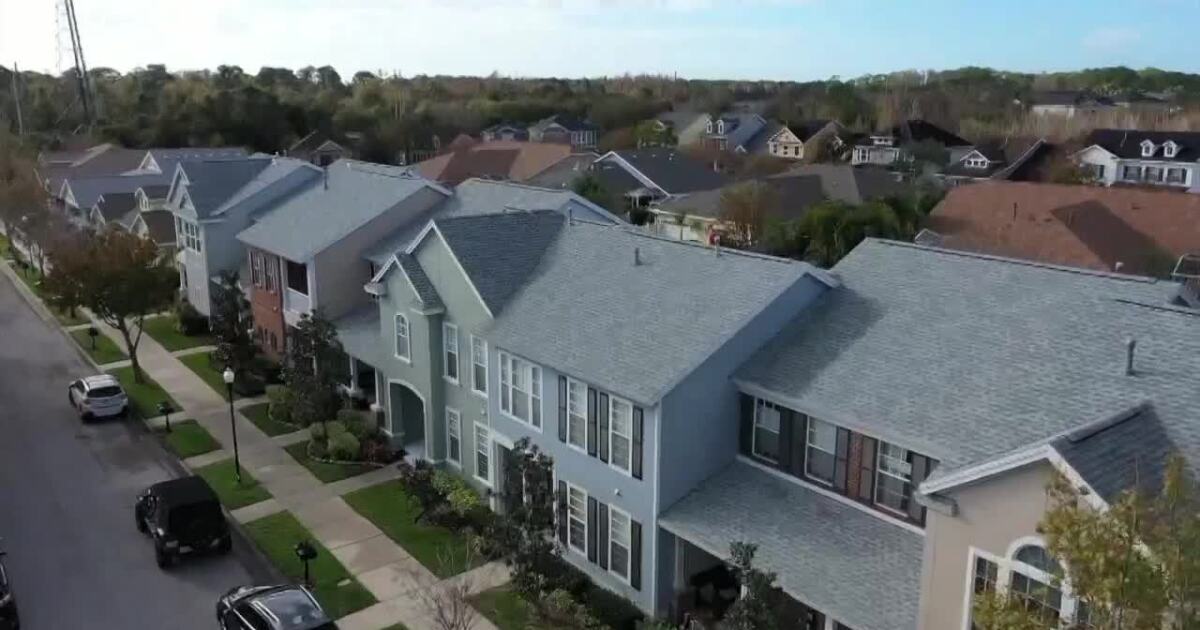
Florida neighborhood aerial view

Florida’s political and economic landscape is shifting again—this time around the soaring cost of property and auto insurance. As homeowners continue tightening budgets, state leaders are preparing for what is shaping into a defining affordability showdown ahead of the 2026 elections.

Two Competing Visions for Florida’s Insurance Future

State Republicans argue the system is finally stabilizing thanks to litigation and fraud reforms enacted over several years. According to Florida CFO Blaise Ingoglia, measurable improvements are already emerging.

“Clearly the reforms are working,” Ingoglia said, referencing shifts in the auto insurance market—including Progressive returning $1 billion in excess profits and State Farm lowering rates by 10%.

Ingoglia maintains that homeowners will soon feel relief as insurers re-enter the state and reinsurance costs trend downward. His message: stay patient—help is coming.

Democrats: “Families Can’t Wait”

Florida Democrats disagree, calling the optimism premature. They point to a worsening affordability crisis marked by some of the highest property and auto insurance premiums in the U.S.

Senate Minority Leader Lori Berman emphasized that many Floridians are struggling to remain in their homes purely due to insurance expenses. Supporting data paints a concerning picture—Realtor.com reports condo prices have dropped over 8% statewide, primarily because of rising HOA fees and post‑Surfside insurance spikes.

Florida now ranks as the most expensive auto insurance state in the nation, with annual averages above $4,100 according to Bankrate.

House Minority Leader Fentrice Driskell says Democrats plan to push for aggressive reforms, including rate‑hike caps, stronger storm‑hardening incentives, and more transparency across insurers.

A Defining Issue for 2026

The battle over Florida’s insurance market has evolved from a policy debate into one of the central issues leading into the 2026 legislative session and statewide elections. With homeowners anxious and condo associations stretched thin, decisions made in the coming months will shape Florida’s affordability for years.

Lawmakers reconvene in Tallahassee on January 13, where insurance reform is expected to dominate the agenda.

For continued updates, expert analysis, and deeper insight into Florida’s insurance landscape, explore the full original report at WPTV.

And if you’re navigating Florida’s evolving real estate market—whether earning your license, renewing your credentials, or leveling up your professional edge—Cameron Academy provides flexible, state‑approved programs designed to help you stay ahead in a transforming industry.


More Articles

Getting licensed or staying ahead in your career can be a journey—but it doesn’t have to be overwhelming. Grab your favorite coffee or tea, take a moment to relax, and browse through our articles. Whether you’re just starting out or renewing your expertise, we’ve got tips, insights, and advice to keep you moving forward. Here’s to your success—one sip and one step at a time!

Judge Blocks Class Status in Major Commission Lawsuit, Shaking Up the Real Estate Industry

A federal judge has denied class‑certification in the high‑stakes Batton commission lawsuit, delivering a temporary win for NAR and major brokerages while leaving the door open for plaintiffs to try again. With as much as $3.6 billion in potential damages on the line and nearly 80% of the proposed class now disqualified due to conflicts with earlier settlements, the case stands at a pivotal moment. Real estate professionals nationwide — especially in Florida — should watch closely, as the ruling could shape the future of buyer‑agent compensation.

Florida Homeowners Hit Hard by Skyrocketing Insurance Rates as Lawmakers Race Toward Reform

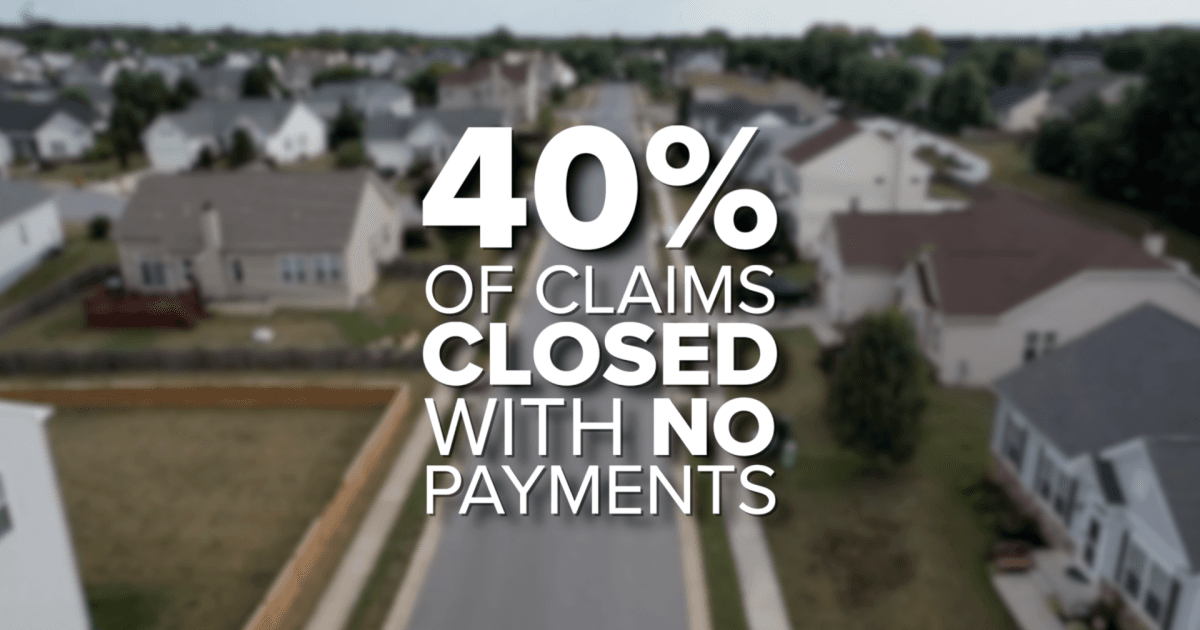
Florida homeowners are paying nearly double the national average for insurance, with premiums now reaching $5,838 a year and denied claims topping 40 percent. Residents report tripled rates, underpaid claims, and mounting financial strain, pushing lawmakers in Tallahassee to propose caps on rate hikes, tax breaks for storm‑proof upgrades, and tighter oversight of insurers. These developments are reshaping real estate and insurance conversations across the state as professionals brace for major industry shifts.

Inside Berkshire County’s Surging 2025 Real Estate Market: Q3 Deep Dive

Berkshire County closed Q3 2025 with strong momentum as sales, dollar volume, and buyer competition all climbed year‑over‑year. Inventory showed slight improvement but remains far below demand, keeping the market tilted toward sellers. Single‑family homes and condos led the surge, while multifamily, land, and commercial sectors showed mixed performance. The region continues to stand out as one of New England’s most resilient real estate markets heading into 2026.

Florida Homeowners Are Reaching a Breaking Point as Insurance Costs Skyrocket

Florida homeowners now face the highest insurance burdens in the nation, with average premiums topping $5,800 per year—roughly $3,000 above the national average. As rates triple for some residents, more Floridians are skipping coverage altogether, while denied claims and slow payouts add to the frustration. With over 40 percent of claims closing with no payment and lawmakers battling over reform in Tallahassee, the crisis is reshaping budgets, homebuying decisions, and the real estate industry statewide.

How Global Investors Are Rewriting the Real Estate Playbook for 2026

Global capital is surging back into real estate—and this time, investors want more control. Colliers’ 2026 Global Investor Outlook reveals a major shift toward direct investments, joint ventures, and hands‑on strategies as money moves across North America, Europe, and the booming Asia‑Pacific markets. Data centers are now the top‑funded asset class, offices are staging a comeback, and adaptive reuse is reshaping cities worldwide. For real estate and finance professionals, the message is clear: opportunity is accelerating, and those with the right education and licensing will be at the center of the action.

Why Lower Interest Rates Still Aren’t Saving Commercial Real Estate

The Fed’s recent rate cuts should have offered relief to commercial real estate—but long-term borrowing costs haven’t budged. While short‑term rates are falling, stubborn long‑term yields, broken deal math, and a trillion‑dollar refinancing wave are keeping the market frozen. For investors and professionals across Florida and the nation, understanding this disconnect is key to navigating the opportunities and risks emerging in today’s shifting CRE landscape.