Florida’s Insurance Crisis Deepens: New Findings Reveal Soaring Premiums, Denied Claims, and a Push for Reform
Florida homeowners are facing one of the most expensive—and increasingly unsustainable—insurance markets in the nation, according to new reporting from
WPTV News Channel 5.
A recent study by Bankrate.com places Florida’s average annual homeowners insurance premium at an astonishing $5,838—roughly $3,000 above the national average.
For many Floridians, these numbers aren’t just statistics—they’re life-changing financial burdens that are reshaping budgets, lifestyles, and even migration decisions.
Retirees on fixed incomes, families still recovering from storms, and homeowners required to carry wind coverage are all feeling the squeeze.
“Everything’s Tripled”: Homeowners Speak Out
West Palm Beach homeowner Jeff Heun shared with WPTV’s Joel Lopez that his premiums once sat around $3,400 before ballooning dramatically:
“Everything’s tripled.” He noted that filing a claim could have caused his premiums to double yet again. Despite years of paying for coverage, he has never once used it—an experience far too common in Florida’s turbulent insurance landscape.
Others interviewed described choosing between mandatory wind coverage and essential home upgrades—while some have opted out entirely. One woman told WPTV she hasn’t carried homeowners insurance in 25 years, choosing instead to self‑fund potential repairs.
When Claims Are Needed, Many Still Struggle
In Loxahatchee, Bob and Pam Fix suffered more than $40,000 in tornado damage—yet their insurer initially offered just $4,500. After WPTV Investigates reporter Kate Hussey intervened, the offer was corrected to $41,000, finally giving them the resources needed to begin repairs.
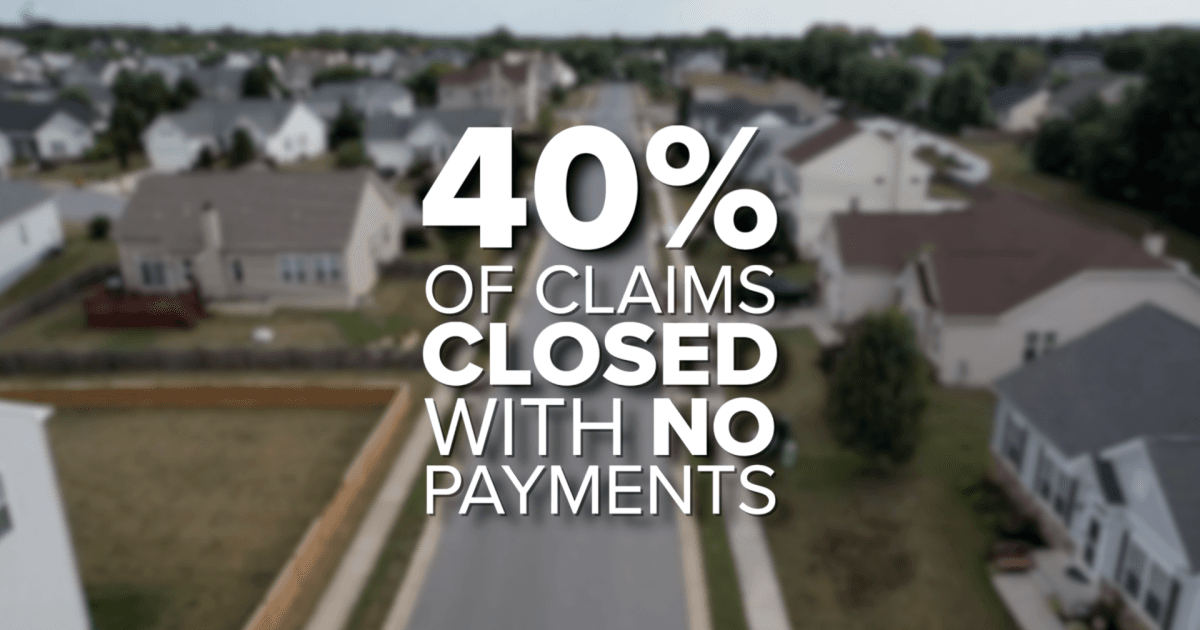
Recent statewide findings highlight just how widespread these issues are: more than 40% of Florida insurance claims are closed with no payment—one of the highest rates in the country. Florida also leads in dropped renewals, with insurers non‑renewing policies at 3.3%.
Lawmakers Push Back: Calls for Transparency and Consumer Protection
Dr. Martin Weiss of Weiss Ratings issued a stark warning that the crisis is nearing a breaking point. Alongside Florida State Senator Carlos Guillermo Smith, Weiss is pushing initiatives through the Insurance Fairness Project and Unlocking America’s Future to increase accountability—especially regarding profits tied to affiliated managing general agents.
Proposed reforms include capping rate increases at 10–15% and removing taxes on impact‑resistant home products such as doors, windows, and garage doors. These measures could help residents fortify their homes while potentially lowering premiums over time.
What This Means for Florida’s Real Estate and Insurance Industries
The ripple effects extend far beyond homeowners. Real estate professionals, mortgage lenders, and insurance agents are watching closely as premiums increasingly determine whether buyers qualify—or whether overstressed sellers can afford to stay in their homes.
For students and professionals pursuing Florida real estate, mortgage, or insurance licenses through institutions like Cameron Academy, this evolving landscape provides essential real‑world insight. Understanding Florida’s insurance pressures is now just as critical as mastering contracts, valuations, or underwriting fundamentals.
A State at a Crossroads
With Florida’s supermajority political climate, passing reform remains an uphill battle—but lawmakers are adopting a “throw everything at the wall” strategy to spark action. Whether Tallahassee ultimately responds may determine if costs stabilize—or if the crisis escalates for millions.
As investigations continue and lawmakers debate the next step, one thing is certain: Florida homeowners can’t wait much longer for relief.
For full coverage, updates, and deeper context, visit the original investigation from WPTV News Channel 5 West Palm.