Florida’s Insurance Crisis: Understanding the Coastal Risk Crunch and What Professionals Can Do About It

Florida insurance risk illustration

Florida’s insurance landscape is facing a high‑stakes challenge—one decades in the making. As coastal communities continue to grow, the concentration of property and people in hurricane‑exposed zones has created an insurance market under unprecedented strain. And whether you’re an insurance professional, real estate agent, underwriter, or anyone serving Florida’s booming population, understanding this pressure is now essential to navigating the future of your profession.

One of the most revealing explorations of this problem comes from Don D. Brown’s analysis, featured in The Florida Resilience Doctrine. His work, along with additional reporting from Insurance Nerds, digs into the true “900‑pound gorilla” the industry has ignored for far too long—extreme coastal risk concentration. For a deeper dive, explore the original insight at Insurance Nerds.

How Florida Got Here: A Perfect Storm of Growth and Geography

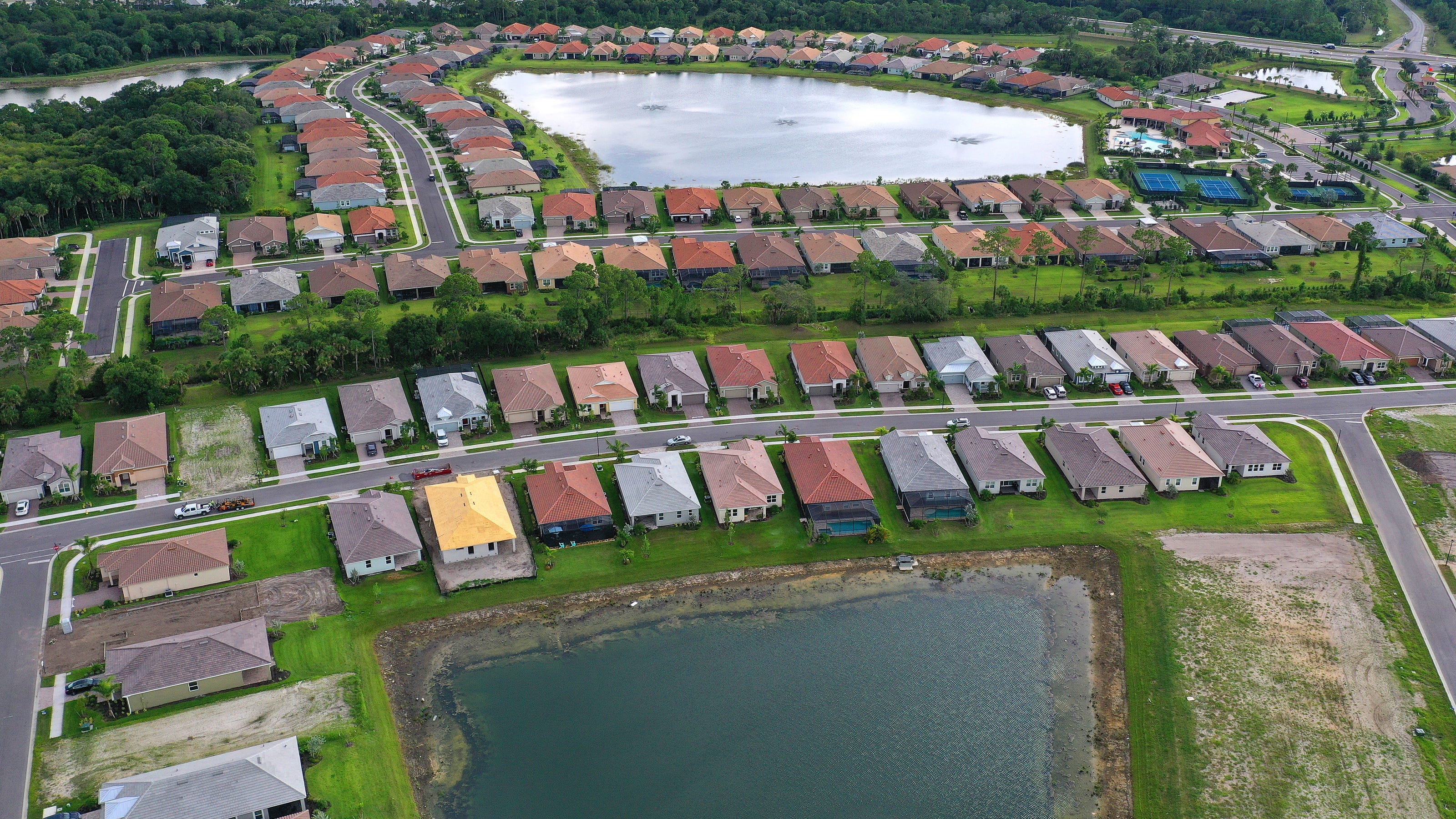
Since Hurricane Andrew in 1992, Florida has added over 6 million new residents, with nearly 4.7 million settling in the very coastal, high‑hazard areas most vulnerable to hurricanes and flooding. Today, an estimated $3.2 trillion in insured property sits directly in harm’s way.

This growth created more than just booming real estate markets. It formed a statewide exposure bubble—one so large that traditional insurance models simply cannot price risk accurately without spreading the cost to Floridians far from the shoreline.

Key Factors Driving the Crisis

• Rapid coastal population growth has sharply increased exposure.
• Florida’s geography makes hurricanes unavoidable, not occasional.
• Insurance pricing has long hidden the true costs of coastal living.
• Political pressure and development incentives keep risky areas growing.
• Incremental rate adjustments can’t solve an exponentially growing hazard.

The result? A statewide system where everyone pays for coastal risk—even those hundreds of miles inland.

What Insurance Professionals Need to Do Now

For insurers, agents, underwriters, and risk managers, the situation isn’t just an industry challenge—it’s an opportunity to lead. Brown’s analysis makes it clear that only a comprehensive and coordinated response will stabilize Florida’s marketplace and protect policyholders.

Top recommendations include:
• Refining underwriting models with granular hazard and climate‑forward data.
• Designing products that match localized risk, encouraging mitigation.
• Partnering with policymakers on resilience‑focused development.
• Communicating transparently with policyholders about true coastal costs.
• Reducing portfolio concentration through diversification and reinsurance tools.

Why This Matters for Real Estate and Insurance Education

Real estate agents, brokers, and insurance professionals play a crucial role in shaping public understanding of Florida’s risk landscape. As the market evolves, professionals who stay educated will have a significant advantage—not only in guiding clients but in safeguarding their own careers.

This is why institutions like Cameron Academy offer insurance and real estate licensing courses that keep today’s professionals informed, strategic, and competitive. Understanding risk concentration isn’t just academic—it’s essential knowledge for anyone advising Florida homeowners.

Looking Ahead: A Turning Point for Florida

The coastal risk crisis won’t fade on its own. The next decade will demand bold strategies, transparent pricing, and serious resilience planning. Insurance professionals who embrace this shift early will be the leaders Florida desperately needs.

To explore the full depth of Don D. Brown’s analysis, visit the original publication at Johnson Strategies.

Article informed by insights from Insurance Nerds: Read the full report here.

More Articles

Getting licensed or staying ahead in your career can be a journey—but it doesn’t have to be overwhelming. Grab your favorite coffee or tea, take a moment to relax, and browse through our articles. Whether you’re just starting out or renewing your expertise, we’ve got tips, insights, and advice to keep you moving forward. Here’s to your success—one sip and one step at a time!

The Rise of Fintech: How Technology Is Reshaping Money and Modern Careers

Fintech has evolved from simple digital banking tools into a global force transforming how we pay, borrow, invest, and manage financial data. With AI, blockchain, and open banking leading the way, fintech is opening new opportunities for consumers, businesses, and professionals across real estate, mortgage, insurance, and finance.

Large CRE Deals Surge in Q3 2025 as Market Confidence Returns

After months of hesitation, the commercial real estate market showed a major resurgence in Q3 2025. Large single‑asset transactions over $10 million jumped to $76 billion — the strongest level since 2022 — signaling renewed liquidity and growing confidence among institutional buyers. While overall volumes remain below peak highs, rising deal counts, stabilizing prices, and increased activity across industrial, multifamily, office, and retail sectors point toward a market steadily moving back toward normalization.

California’s Insurance Crisis: Politics, Wildfires, and a System on the Brink

California’s property insurance market didn’t collapse overnight—it unraveled over years of political delays, soaring wildfire losses, and mounting pressure on insurers and reinsurers. As major carriers pulled out and rate approvals stalled, millions of homeowners were left scrambling for coverage under an overwhelmed FAIR Plan. At the center of the controversy stands Insurance Commissioner Ricardo Lara, whose decisions, industry ties, and behind‑the‑scenes negotiations have drawn sharp criticism. The result is a destabilized market affecting homeowners, real estate professionals, lenders, and entire communities—and the question of whether current reforms can truly fix what’s broken.

Large U.S. CRE Deals Roar Back in Q3 2025, Signaling Investor Confidence

After a slow start to the year, commercial real estate showed a major resurgence in Q3 2025 as large single‑asset deals over $10 million surged past $76 billion in volume. With 1,826 major trades and the strongest growth rate in more than a decade, investor confidence appears to be returning across U.S. markets. While overall volumes still trail the record highs of 2021–2022, the renewed momentum in big‑ticket transactions points to improving liquidity, clearer pricing, and a potentially pivotal turning point for brokers, investors, and industry professionals.

California’s Insurance Meltdown: The Crisis Reshaping Real Estate, Finance, and Insurance Nationwide

California’s property insurance market has unraveled into one of the most expensive and consequential crises in U.S. history. Major carriers pulled back, wildfire risks soared, regulators stalled, and the state’s FAIR Plan exploded in size — leaving hundreds of thousands of homeowners without affordable coverage. Now, with victims underinsured, premiums surging, and a billion‑dollar bailout looming, the fallout is spilling beyond California. For real estate, mortgage, finance, and insurance professionals across the country, this is a warning of what happens when rising climate risks collide with outdated regulatory systems.

Florida’s Next Mega-Development: Winchester Ranch Set to Add Nearly 9,000 Homes in Sarasota County

Sarasota County is on the brink of one of its largest modern expansions as the Winchester Ranch project moves closer to approval. Spanning more than 3,100 acres near North Port, the planned mega-development could bring up to 8,999 homes plus major commercial and industrial space. With construction projected to begin in 2027–2028, the community has sparked both excitement over new housing opportunities and concerns about environmental impact, placing it at the center of Florida’s ongoing growth debate.