Florida’s Insurance Crisis: Understanding the Coastal Risk Crunch and What Professionals Can Do About It

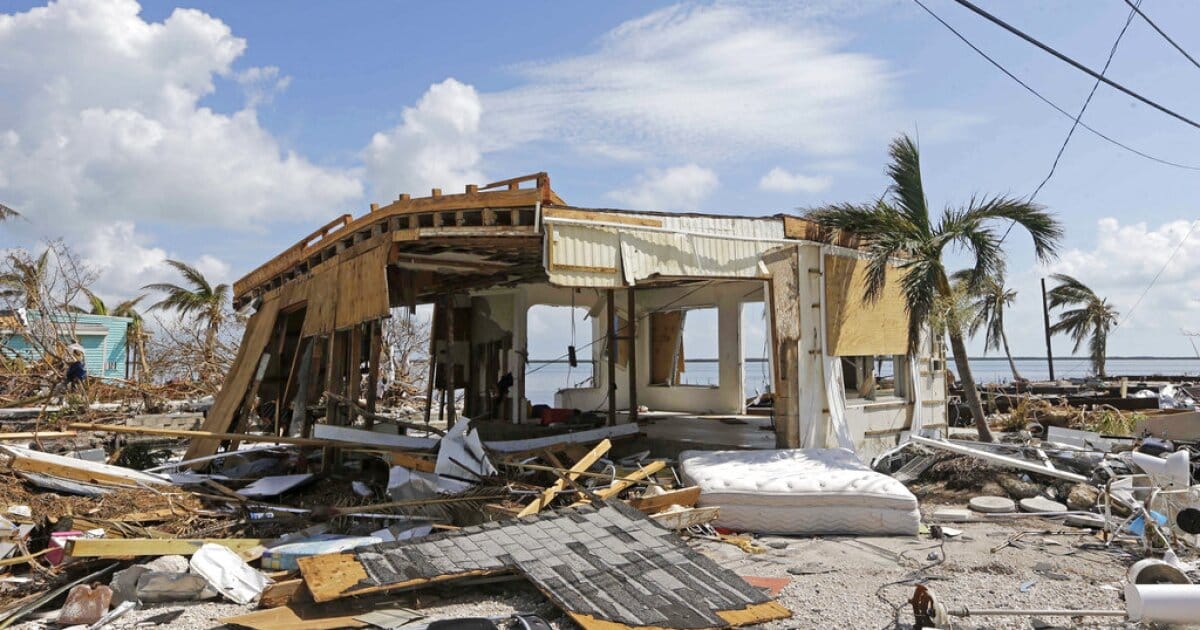
Florida’s insurance landscape is facing a high‑stakes challenge—one decades in the making. As coastal communities continue to grow, the concentration of property and people in hurricane‑exposed zones has created an insurance market under unprecedented strain. And whether you’re an insurance professional, real estate agent, underwriter, or anyone serving Florida’s booming population, understanding this pressure is now essential to navigating the future of your profession.
One of the most revealing explorations of this problem comes from Don D. Brown’s analysis, featured in The Florida Resilience Doctrine. His work, along with additional reporting from Insurance Nerds, digs into the true “900‑pound gorilla” the industry has ignored for far too long—extreme coastal risk concentration. For a deeper dive, explore the original insight at Insurance Nerds.
How Florida Got Here: A Perfect Storm of Growth and Geography
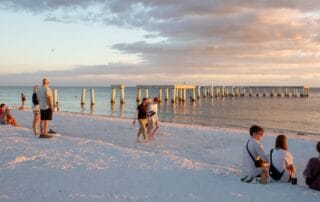
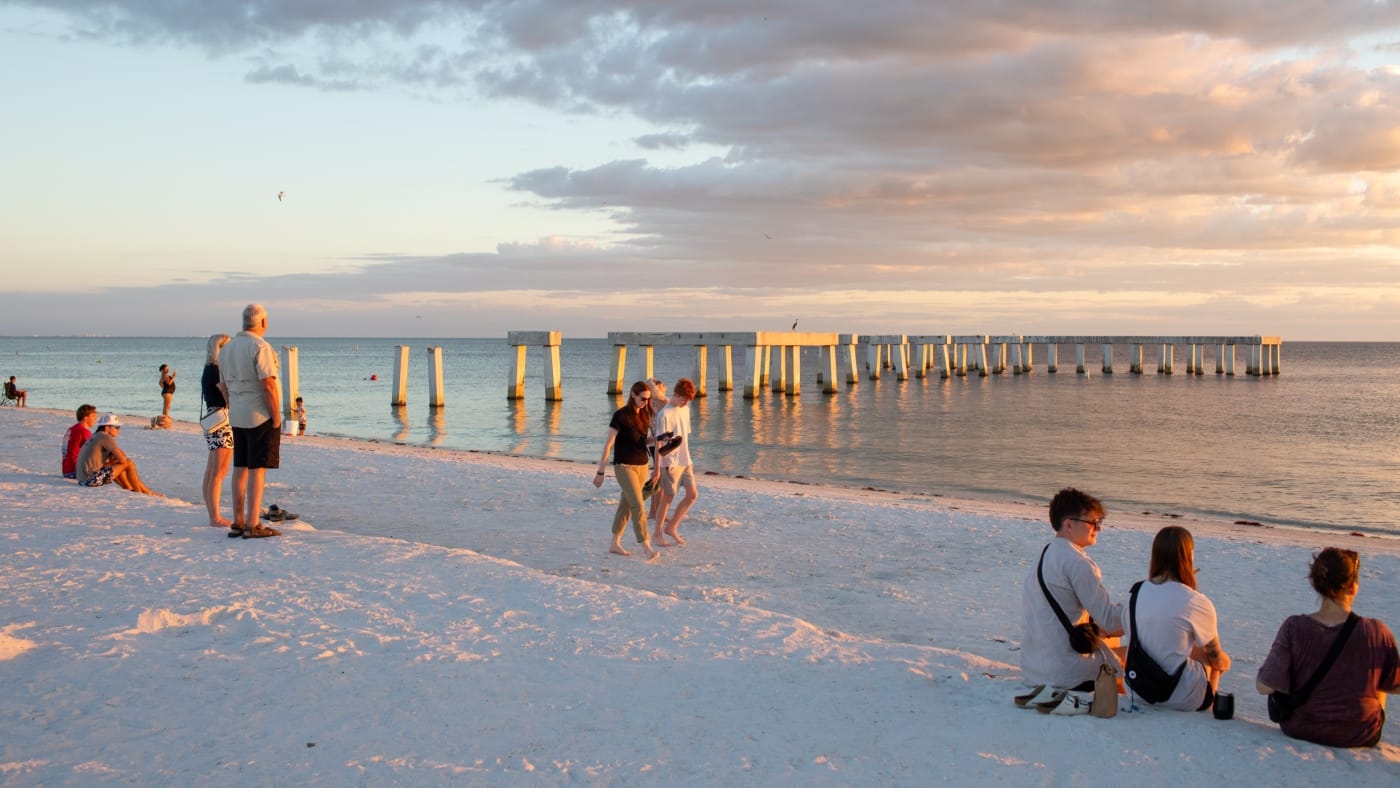
Since Hurricane Andrew in 1992, Florida has added over 6 million new residents, with nearly 4.7 million settling in the very coastal, high‑hazard areas most vulnerable to hurricanes and flooding. Today, an estimated $3.2 trillion in insured property sits directly in harm’s way.
This growth created more than just booming real estate markets. It formed a statewide exposure bubble—one so large that traditional insurance models simply cannot price risk accurately without spreading the cost to Floridians far from the shoreline.
Key Factors Driving the Crisis
• Rapid coastal population growth has sharply increased exposure.
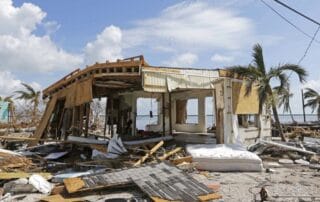
• Florida’s geography makes hurricanes unavoidable, not occasional.
• Insurance pricing has long hidden the true costs of coastal living.
• Political pressure and development incentives keep risky areas growing.
• Incremental rate adjustments can’t solve an exponentially growing hazard.
The result? A statewide system where everyone pays for coastal risk—even those hundreds of miles inland.
What Insurance Professionals Need to Do Now
For insurers, agents, underwriters, and risk managers, the situation isn’t just an industry challenge—it’s an opportunity to lead. Brown’s analysis makes it clear that only a comprehensive and coordinated response will stabilize Florida’s marketplace and protect policyholders.
Top recommendations include:
• Refining underwriting models with granular hazard and climate‑forward data.
• Designing products that match localized risk, encouraging mitigation.
• Partnering with policymakers on resilience‑focused development.
• Communicating transparently with policyholders about true coastal costs.
• Reducing portfolio concentration through diversification and reinsurance tools.
Why This Matters for Real Estate and Insurance Education
Real estate agents, brokers, and insurance professionals play a crucial role in shaping public understanding of Florida’s risk landscape. As the market evolves, professionals who stay educated will have a significant advantage—not only in guiding clients but in safeguarding their own careers.
This is why institutions like Cameron Academy offer insurance and real estate licensing courses that keep today’s professionals informed, strategic, and competitive. Understanding risk concentration isn’t just academic—it’s essential knowledge for anyone advising Florida homeowners.
Looking Ahead: A Turning Point for Florida
The coastal risk crisis won’t fade on its own. The next decade will demand bold strategies, transparent pricing, and serious resilience planning. Insurance professionals who embrace this shift early will be the leaders Florida desperately needs.
To explore the full depth of Don D. Brown’s analysis, visit the original publication at
Johnson Strategies.
Article informed by insights from Insurance Nerds:
Read the full report here.