Florida’s Property Insurance Crisis Is Finally Cooling — And New Bills Could Push Rates Even Lower
After years of spiraling premiums, insurer insolvencies, and political tug‑of‑war, Florida lawmakers are now pushing a fresh wave of bills designed to finally deliver relief to homeowners. And even though state leaders are celebrating what they call a stabilized market, one thing is clear: the job isn’t finished yet.
Between demands for stronger oversight, transparency reforms, and a potential rewards program for residents with spotless claims histories, this legislative session is shaping up to redefine Florida property insurance.
Source spotlight: Built from reporting by the Palm Beach Post. Explore deeper legislative context at palmbeachpost.com.
Why This Matters Now
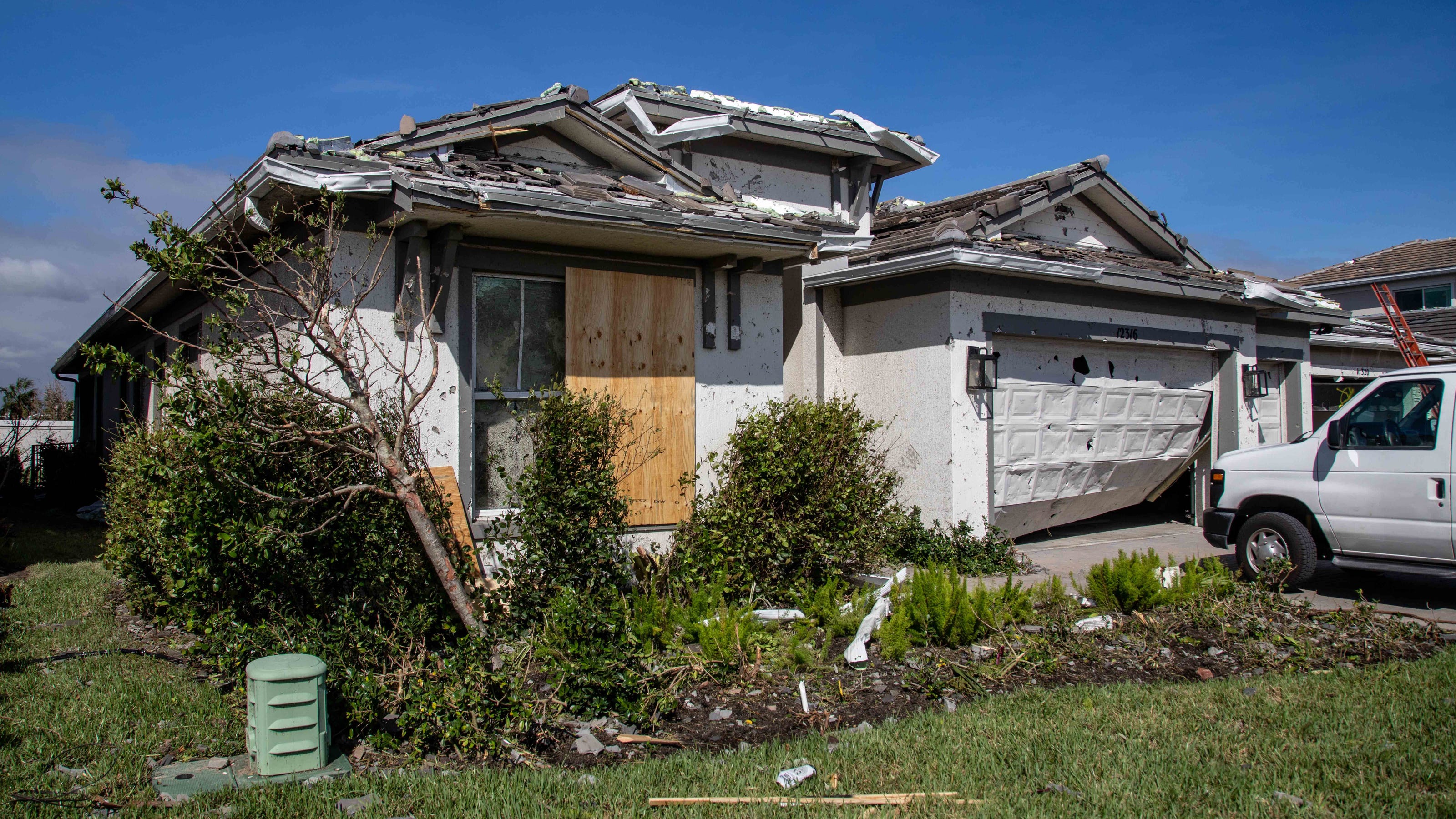
Not long ago, Florida’s insurance environment was in full meltdown. Carriers shut down. Premiums ballooned. Homeowners faced annual rate spikes of up to 30%. A major culprit: a tangle of excessive litigation and insurer profit‑sharing structures that siphoned money away from actual policy coverage.
That changed in 2022, when sweeping reforms dramatically sliced litigation incentives. Since then, seventeen new insurers have entered the Florida market — a milestone Gov. Ron DeSantis and Insurance Commissioner Mike Yaworsky point to as proof of stabilization.
But stabilization doesn’t equal affordability — and lawmakers are stepping in.
1. Cracking Down on Profit‑Sharing Affiliates
Rep. Kimberly Berfield is backing a bill aimed at tightening financial guardrails around insurers’ arrangements with affiliated service companies. A two‑year investigation previously uncovered billions flowing into these entities while the consumer market collapsed.
Her proposal would give the Office of Insurance Regulation authority to ensure these transactions remain within reasonable, consumer‑protective boundaries.
“We’re making sure insurance companies who collect our premiums actually use them for what they’re intended for,” Berfield told the House Banking and Insurance Subcommittee.
2. Revealing the “Secret” Factors Behind Your Rate
Another bill would force insurers to reveal the full breakdown of cost factors that go into your premium at renewal. Currently, many of these details are shielded as trade secrets — leaving homeowners in the dark.
Sen. Bryan Avila believes this transparency push will not only inform residents but also pressure insurers to justify steep increases.
3. Rewards for Staying Claim‑Free
A standout proposal gaining attention is a claim‑free rewards program offering premium discounts to homeowners who go 36 months without filing. Importantly, hurricane‑related claims won’t count against eligibility, making this especially beneficial for coastal residents.
“I want insurance companies to reward people who are doing the right thing,” said Rep. Jervonte Edmonds.
The proposal hasn’t yet been heard in committee, but public support could propel it forward.
What This Means for Florida Real Estate Pros
For agents, brokers, lenders, and buyers, property insurance trends have a direct impact on deal flow, affordability, and long‑term valuation. Understanding legislative shifts isn’t just helpful — it’s essential.
That’s why education platforms like Cameron Academy play such a crucial role. Whether you’re renewing your real estate license, expanding into insurance, or guiding clients through Florida’s turbulent market, staying informed keeps you competitive and prepared.
Looking Ahead
Florida’s insurance market may finally be cooling, but lawmakers clearly see more work ahead. Transparency measures, affiliate oversight, and reward systems could be the relief homeowners have been waiting for.
To explore the full original coverage, visit the Palm Beach Post at palmbeachpost.com.
More Articles
Getting licensed or staying ahead in your career can be a journey—but it doesn’t have to be overwhelming. Grab your favorite coffee or tea, take a moment to relax, and browse through our articles. Whether you’re just starting out or renewing your expertise, we’ve got tips, insights, and advice to keep you moving forward. Here’s to your success—one sip and one step at a time!
The commercial real estate industry is finally confronting years of delayed financial reality as banks begin calling in billions in troubled loans, pushing office loan delinquencies to record highs. With more than 12 percent of office loans now delinquent and nearly a trillion dollars in commercial and multifamily debt maturing this year, lenders are tightening standards and forcing borrowers to present real data, stronger strategies, and actionable plans. Regional banks face the most risk, while real estate professionals who master data literacy and investment analysis will be best positioned to thrive in this new era.
CFP professionals are in higher demand than ever, and new data from SmartAsset and the CFP Board shows that some states are becoming hotspots for this booming field. California leads the nation, now home to nearly one in every ten Certified Financial Planners. As Americans seek deeper financial guidance, states with strong economies and growing populations are seeing the fastest rise in licensed advisors—signaling major opportunity for both new and seasoned professionals.
After years of market disruption, commercial real estate is finally showing strong signs of a comeback, with major investment firms projecting 2026 as the year the sector fully stabilizes. New reports from Hines, CBRE, and Colliers point to rising leasing activity, renewed buyer appetite, and a rebound toward pre‑pandemic investment levels. Manhattan is leading the recovery, premium office spaces are dominating demand, and suburban markets are gaining traction—setting the stage for significant opportunities for real estate professionals, investors, and brokers preparing for the next market cycle.
The 2026 labor market is entering a “low‑hire, low‑fire” freeze—job openings remain above pre‑pandemic levels, yet companies are delaying hiring decisions as they navigate economic uncertainty, tariffs, and shifting immigration policies. Despite the slowdown, major pockets of growth remain, especially in healthcare, construction, civil engineering, and Sunbelt regions. AI is reshaping some industries but replacing very few jobs, with less than 1% of skills at high risk of automation. For professionals willing to adapt, upskill, or shift industries, 2026 offers strategic opportunities—particularly in licensed fields like real estate, mortgage, insurance, and finance, where education and credentials can unlock stability and upward mobility.
Mortgage rates slipped to 6.09% this week, marking their lowest point in three years and surprising analysts after strong job numbers. The drop improves affordability for many families and signals a pivotal moment for buyers, investors, and real estate professionals as market conditions cool and stabilization continues into 2026.
Artificial intelligence is now the driving force behind the fastest‑growing proptech companies, with AI-native startups claiming the majority of the $16.7 billion invested in real estate technology last year. From tenant communication automation to self‑navigating construction vehicles and AI-powered investor management systems, four new unicorns—EliseAI, Bedrock Robotics, Juniper Square, and Vantaca—are leading a sweeping shift across commercial real estate. Their rise signals a new era where professionals must embrace automation, data skills, and continuous education to stay competitive in an industry evolving at record speed.