Florida’s Property Insurance Crisis Is Finally Cooling — And New Bills Could Push Rates Even Lower
After years of spiraling premiums, insurer insolvencies, and political tug‑of‑war, Florida lawmakers are now pushing a fresh wave of bills designed to finally deliver relief to homeowners. And even though state leaders are celebrating what they call a stabilized market, one thing is clear: the job isn’t finished yet.
Between demands for stronger oversight, transparency reforms, and a potential rewards program for residents with spotless claims histories, this legislative session is shaping up to redefine Florida property insurance.
Source spotlight: Built from reporting by the Palm Beach Post. Explore deeper legislative context at palmbeachpost.com.
Why This Matters Now
Not long ago, Florida’s insurance environment was in full meltdown. Carriers shut down. Premiums ballooned. Homeowners faced annual rate spikes of up to 30%. A major culprit: a tangle of excessive litigation and insurer profit‑sharing structures that siphoned money away from actual policy coverage.
That changed in 2022, when sweeping reforms dramatically sliced litigation incentives. Since then, seventeen new insurers have entered the Florida market — a milestone Gov. Ron DeSantis and Insurance Commissioner Mike Yaworsky point to as proof of stabilization.
But stabilization doesn’t equal affordability — and lawmakers are stepping in.
1. Cracking Down on Profit‑Sharing Affiliates
Rep. Kimberly Berfield is backing a bill aimed at tightening financial guardrails around insurers’ arrangements with affiliated service companies. A two‑year investigation previously uncovered billions flowing into these entities while the consumer market collapsed.
Her proposal would give the Office of Insurance Regulation authority to ensure these transactions remain within reasonable, consumer‑protective boundaries.
“We’re making sure insurance companies who collect our premiums actually use them for what they’re intended for,” Berfield told the House Banking and Insurance Subcommittee.
2. Revealing the “Secret” Factors Behind Your Rate
Another bill would force insurers to reveal the full breakdown of cost factors that go into your premium at renewal. Currently, many of these details are shielded as trade secrets — leaving homeowners in the dark.
Sen. Bryan Avila believes this transparency push will not only inform residents but also pressure insurers to justify steep increases.
3. Rewards for Staying Claim‑Free
A standout proposal gaining attention is a claim‑free rewards program offering premium discounts to homeowners who go 36 months without filing. Importantly, hurricane‑related claims won’t count against eligibility, making this especially beneficial for coastal residents.
“I want insurance companies to reward people who are doing the right thing,” said Rep. Jervonte Edmonds.
The proposal hasn’t yet been heard in committee, but public support could propel it forward.
What This Means for Florida Real Estate Pros
For agents, brokers, lenders, and buyers, property insurance trends have a direct impact on deal flow, affordability, and long‑term valuation. Understanding legislative shifts isn’t just helpful — it’s essential.
That’s why education platforms like Cameron Academy play such a crucial role. Whether you’re renewing your real estate license, expanding into insurance, or guiding clients through Florida’s turbulent market, staying informed keeps you competitive and prepared.
Looking Ahead
Florida’s insurance market may finally be cooling, but lawmakers clearly see more work ahead. Transparency measures, affiliate oversight, and reward systems could be the relief homeowners have been waiting for.
To explore the full original coverage, visit the Palm Beach Post at palmbeachpost.com.
More Articles
Getting licensed or staying ahead in your career can be a journey—but it doesn’t have to be overwhelming. Grab your favorite coffee or tea, take a moment to relax, and browse through our articles. Whether you’re just starting out or renewing your expertise, we’ve got tips, insights, and advice to keep you moving forward. Here’s to your success—one sip and one step at a time!
A growing share of American homeowners now carry mortgage rates above 5%—a dramatic shift that’s reshaping refinancing, inventory, and buyer behavior nationwide. With more than 30% of borrowers locked into rates over 5% and 20% above 6%, the market is split between owners holding on to low pandemic‑era loans and new buyers taking on higher‑rate mortgages. Federal efforts to push rates down could unlock millions of refinancing opportunities, while buyers see only modest monthly savings. For real estate professionals, understanding these rate dynamics is crucial as they increasingly drive inventory levels, affordability, and market activity.
New Moody’s data shows commercial real estate deal volume slipped 20% in December, marking a second monthly decline. Yet the full year tells a different story: 2025 ended with a 17% gain, signaling a quiet but resilient recovery. The biggest surprise came from the office sector, which posted a 21% jump in activity as return‑to‑office trends and AI‑driven job growth boosted demand. Multifamily, retail, and alternative assets like data centers also saw strong momentum, giving real estate professionals a market full of fresh opportunities heading into 2026.
Florida drivers and industry professionals are heading into 2026 with good news: auto insurance rates are dropping across the state as the market shows strong signs of stabilization. USAA leads the latest wave with a 7% average rate decrease expected in May 2026, saving members more than $125 million annually. They join several major insurers — including State Farm, Progressive, AAA, Allstate, and Florida Farm Bureau — all approving significant reductions. Officials credit recent legislative reforms, especially tort reform, for the improved loss ratios and renewed insurer confidence. With both auto and home insurance markets strengthening, Florida’s real estate, mortgage, and insurance professionals can expect more consumer confidence, smoother transactions, and expanding career opportunities.
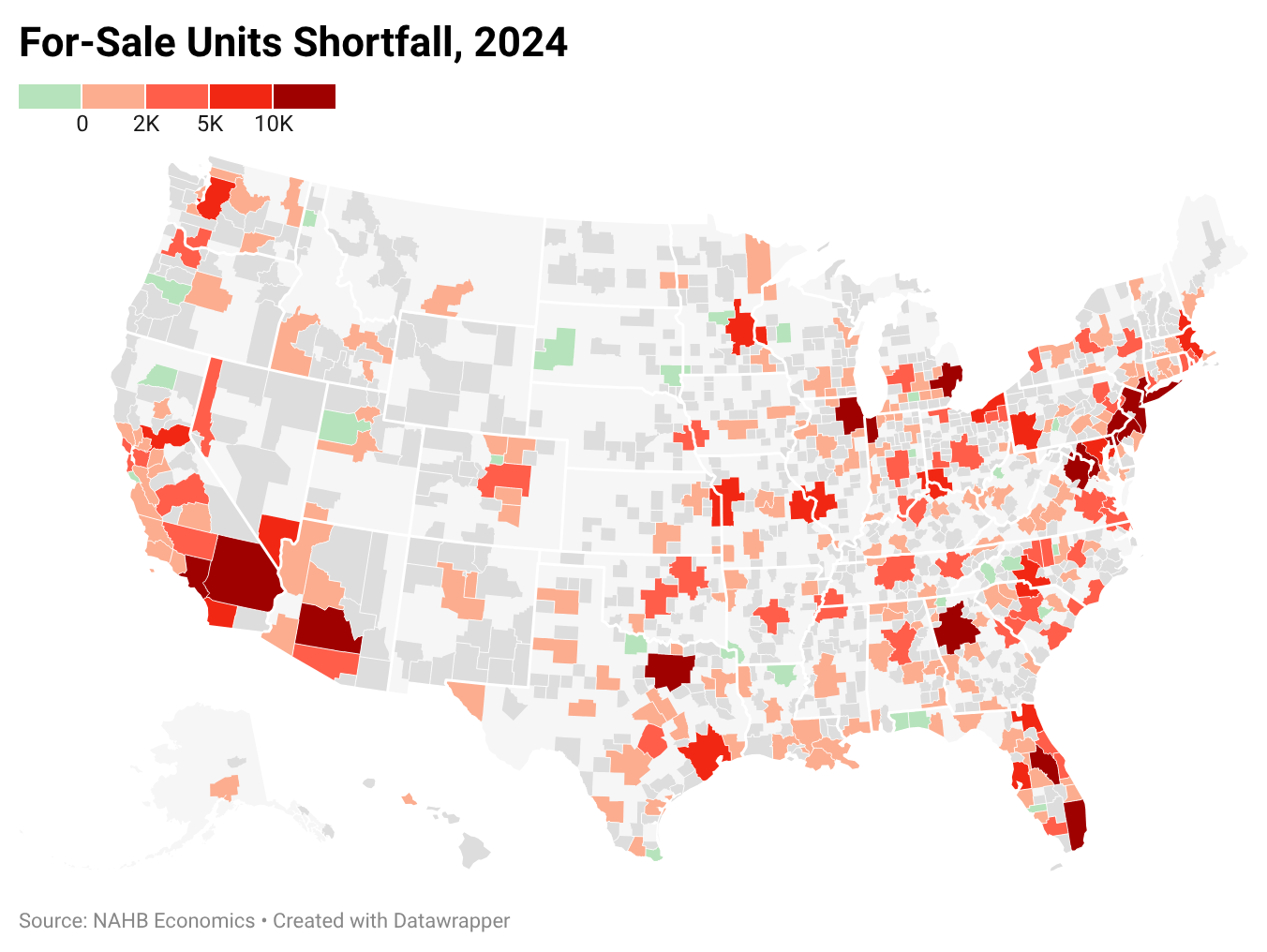
New data from Eye On Housing and the NAHB shows the U.S. remains short more than 1.2 million housing units, keeping pressure on both rents and home prices. Record‑low vacancy rates, slow single‑family construction, and restrictive zoning continue to fuel intense competition in 2024. Major metros like Chicago, New York, and Atlanta face some of the deepest deficits, and the true nationwide shortfall may be even higher when accounting for overcrowding and aging homes. For real estate professionals, the ongoing shortage means sustained demand, tighter inventory, and major opportunities for those who understand the evolving market.
Top real estate coach Jason Pantana says the divide between agents today isn’t about who has “tried” AI — it’s about who is immersed in it. In a new HousingWire interview, he explains why AI isn’t a gimmick but a full business system that amplifies output, improves authenticity, and reshapes how clients search for agents. From prompt mastery to AI‑driven visibility on Google, Pantana reveals how agents who commit even 15 minutes a day to learning AI are already outperforming those who hesitate.
Dallas–Fort Worth’s commercial real estate market closed 2025 with a split personality. Industrial dominated with massive new deliveries and soaring leasing demand, retail held steady with some of the market’s strongest fundamentals in years, and office continued to falter under remote‑work pressures. High vacancies, weak absorption, and rising demand for top‑tier space show the sector’s ongoing reset. Meanwhile, industrial and retail strength position the Metroplex for another powerhouse year heading into 2026.