Florida’s Property Insurance Crisis Is Finally Cooling — And New Bills Could Push Rates Even Lower
After years of spiraling premiums, insurer insolvencies, and political tug‑of‑war, Florida lawmakers are now pushing a fresh wave of bills designed to finally deliver relief to homeowners. And even though state leaders are celebrating what they call a stabilized market, one thing is clear: the job isn’t finished yet.
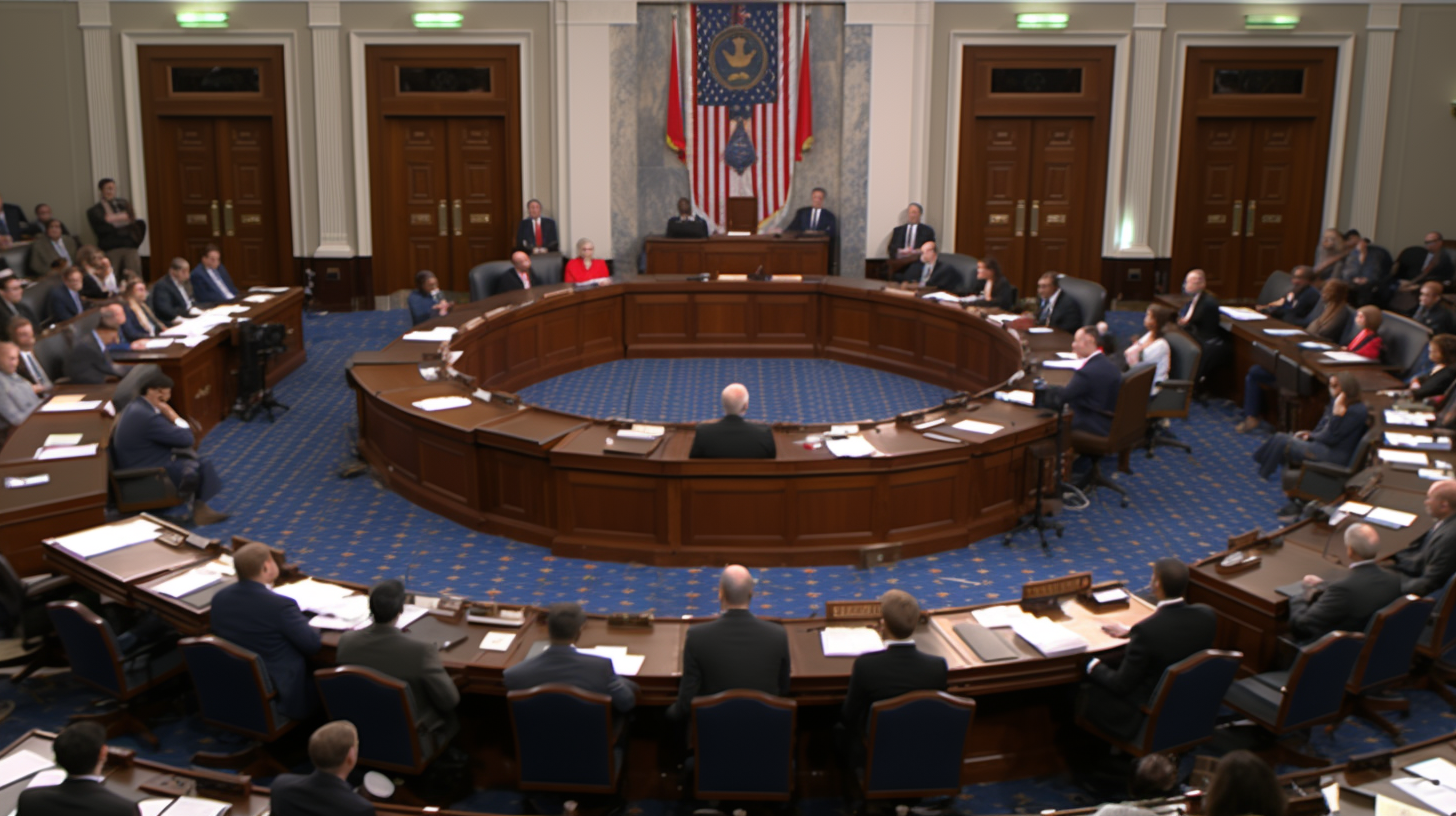
Between demands for stronger oversight, transparency reforms, and a potential rewards program for residents with spotless claims histories, this legislative session is shaping up to redefine Florida property insurance.
Source spotlight: Built from reporting by the Palm Beach Post. Explore deeper legislative context at palmbeachpost.com.
Why This Matters Now
Not long ago, Florida’s insurance environment was in full meltdown. Carriers shut down. Premiums ballooned. Homeowners faced annual rate spikes of up to 30%. A major culprit: a tangle of excessive litigation and insurer profit‑sharing structures that siphoned money away from actual policy coverage.
That changed in 2022, when sweeping reforms dramatically sliced litigation incentives. Since then, seventeen new insurers have entered the Florida market — a milestone Gov. Ron DeSantis and Insurance Commissioner Mike Yaworsky point to as proof of stabilization.
But stabilization doesn’t equal affordability — and lawmakers are stepping in.
1. Cracking Down on Profit‑Sharing Affiliates
Rep. Kimberly Berfield is backing a bill aimed at tightening financial guardrails around insurers’ arrangements with affiliated service companies. A two‑year investigation previously uncovered billions flowing into these entities while the consumer market collapsed.
Her proposal would give the Office of Insurance Regulation authority to ensure these transactions remain within reasonable, consumer‑protective boundaries.
“We’re making sure insurance companies who collect our premiums actually use them for what they’re intended for,” Berfield told the House Banking and Insurance Subcommittee.
2. Revealing the “Secret” Factors Behind Your Rate
Another bill would force insurers to reveal the full breakdown of cost factors that go into your premium at renewal. Currently, many of these details are shielded as trade secrets — leaving homeowners in the dark.
Sen. Bryan Avila believes this transparency push will not only inform residents but also pressure insurers to justify steep increases.
3. Rewards for Staying Claim‑Free
A standout proposal gaining attention is a claim‑free rewards program offering premium discounts to homeowners who go 36 months without filing. Importantly, hurricane‑related claims won’t count against eligibility, making this especially beneficial for coastal residents.
“I want insurance companies to reward people who are doing the right thing,” said Rep. Jervonte Edmonds.
The proposal hasn’t yet been heard in committee, but public support could propel it forward.
What This Means for Florida Real Estate Pros
For agents, brokers, lenders, and buyers, property insurance trends have a direct impact on deal flow, affordability, and long‑term valuation. Understanding legislative shifts isn’t just helpful — it’s essential.
That’s why education platforms like Cameron Academy play such a crucial role. Whether you’re renewing your real estate license, expanding into insurance, or guiding clients through Florida’s turbulent market, staying informed keeps you competitive and prepared.
Looking Ahead
Florida’s insurance market may finally be cooling, but lawmakers clearly see more work ahead. Transparency measures, affiliate oversight, and reward systems could be the relief homeowners have been waiting for.
To explore the full original coverage, visit the Palm Beach Post at palmbeachpost.com.
More Articles
Getting licensed or staying ahead in your career can be a journey—but it doesn’t have to be overwhelming. Grab your favorite coffee or tea, take a moment to relax, and browse through our articles. Whether you’re just starting out or renewing your expertise, we’ve got tips, insights, and advice to keep you moving forward. Here’s to your success—one sip and one step at a time!
The Real Estate Board of New York (REBNY) has announced a new policy requiring sellers to directly pay the buyer's agent, effective from January 1. This significant shift aims to enhance transparency and address potential conflicts of interest in real estate transactions. The policy comes amidst ongoing lawsuits related to commission sharing and allegations of unethical practices. The implementation of this policy is expected to impact the real estate industry significantly, with sellers needing to factor in the cost of the buyer's agent commission when pricing their properties.
In a significant development, the U.S. Senate has voted to block the implementation of the Consumer Financial Protection Bureau's (CFPB) small business lending rule. This decision has sparked a heated debate over the impact it may have on small businesses across the country. President Biden, in response, has threatened to veto the Senate's decision, emphasizing his commitment to fair lending practices and supporting small businesses. The CFPB's rule, implemented in October 2020, requires lenders to collect and report data on small business lending. This includes information on the race, sex, and ethnicity of borrowers, with the aim of identifying and addressing potential disparities in access to credit for minority-owned and women-owned small businesses. The Senate's decision to block the CFPB's rule has been celebrated by small business advocates and industry groups critical of the CFPB's regulatory approach. However, the implications of this decision remain uncertain, as President Biden's threatened veto looms large.
The world of real estate has recently been shaken by a wave of class-action commission lawsuits, sparking a contentious debate. These lawsuits demand scrutiny to understand their implications and validity. A primary counter-argument is the freedom of consumer choice. In today's digital age, potential buyers and sellers have access to a wealth of online resources, enabling them to undertake real estate transactions independently. Another critical factor is the negotiability of commissions in the real estate sector. Commission rates are not fixed, they are subject to negotiation between the agent and the client. This flexibility allows for open discussions, leading to mutually agreeable terms. Despite the emergence of discount brokerage firms, consumers continue to place their trust in traditional real estate agents. This preference stems not only from cost considerations but also from the value of expertise, guidance, and personalized service that agents offer. Real estate transactions are complex and often involve significant financial investments. Trusted agents provide invaluable insights, market knowledge, and negotiation skills, helping clients make informed decisions and navigate potential challenges confidently.
In the last two years, the housing market has seen a dramatic shift. Soaring mortgage rates and rising home prices have led to the fastest erosion in housing market affordability in modern history, with first-time homebuyers feeling the impact the most. The housing market has undergone significant changes over the past two years, leading to a substantial increase in the income required to purchase a median-priced home. According to recent data from Redfin, a homebuyer must now earn $114,627 to afford the typical U.S. home. This is a 15% increase from the previous year and more than 50% higher than pre-pandemic levels.
The housing market has shown remarkable resilience in the face of rising mortgage rates. Despite rates reaching 8%, new listings data remains steady, indicating a healthy supply of homes for sale. This stability is a positive sign for both buyers and sellers, demonstrating the strength of the housing market. Despite the increase in mortgage rates, sellers in the housing market have maintained their confidence. This confidence is reflected in the steady new listing data, as sellers continue to list their properties without hesitation. It indicates that sellers believe there is still strong demand from buyers and that the potential financial impact of higher mortgage rates does not outweigh the benefits of selling their homes.
The Real Estate Board of New York (REBNY) has introduced a groundbreaking requirement for sellers to directly compensate buyers' agents. This significant change has the potential to transform the real estate industry, eliminating conflicts of interest and promoting a more client-centric approach. This shift in the compensation landscape aims to create a more transparent and trustworthy environment for buyers. Moreover, this shift towards a client-centric approach aligns with the mission and values of Cameron Academy. As a leading provider of real estate education, Cameron Academy is committed to empowering professionals to navigate the evolving industry landscape and prioritize the best interests of their clients.