Florida’s Insurance Crisis Is Reshaping Communities — And The Middle Class Is Feeling the Squeeze
Southwest Florida is no stranger to storms, but the aftermath of Hurricane Ian has revealed a new kind of disaster: an affordability crisis that’s pushing long-time residents, small businesses, and middle-class families to the brink. With rising insurance premiums, soaring construction prices, and a changing climate, communities like Fort Myers Beach are transforming faster than many can keep up.
The New Reality: Rebuilding Costs That Outpace Local Incomes
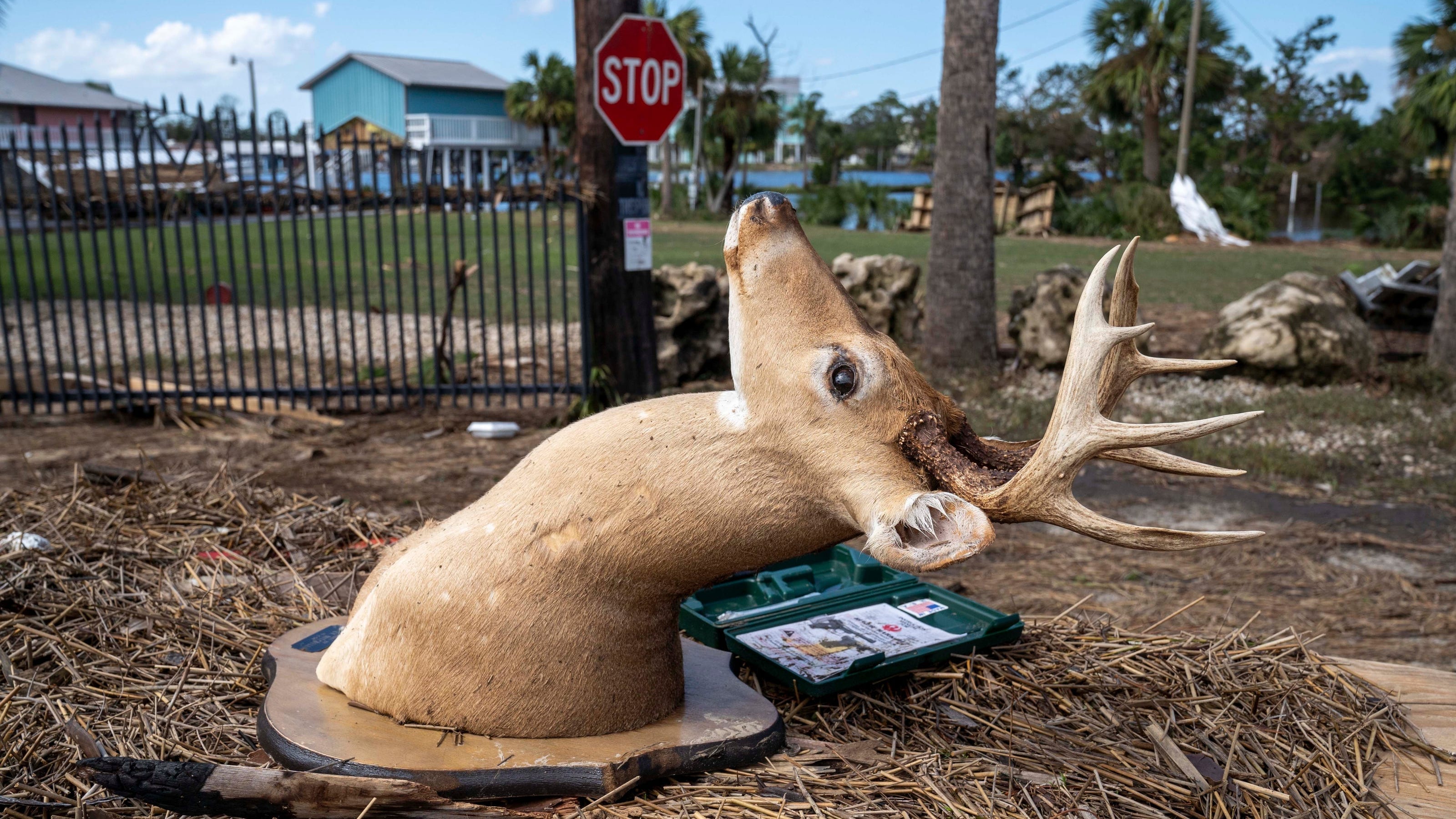
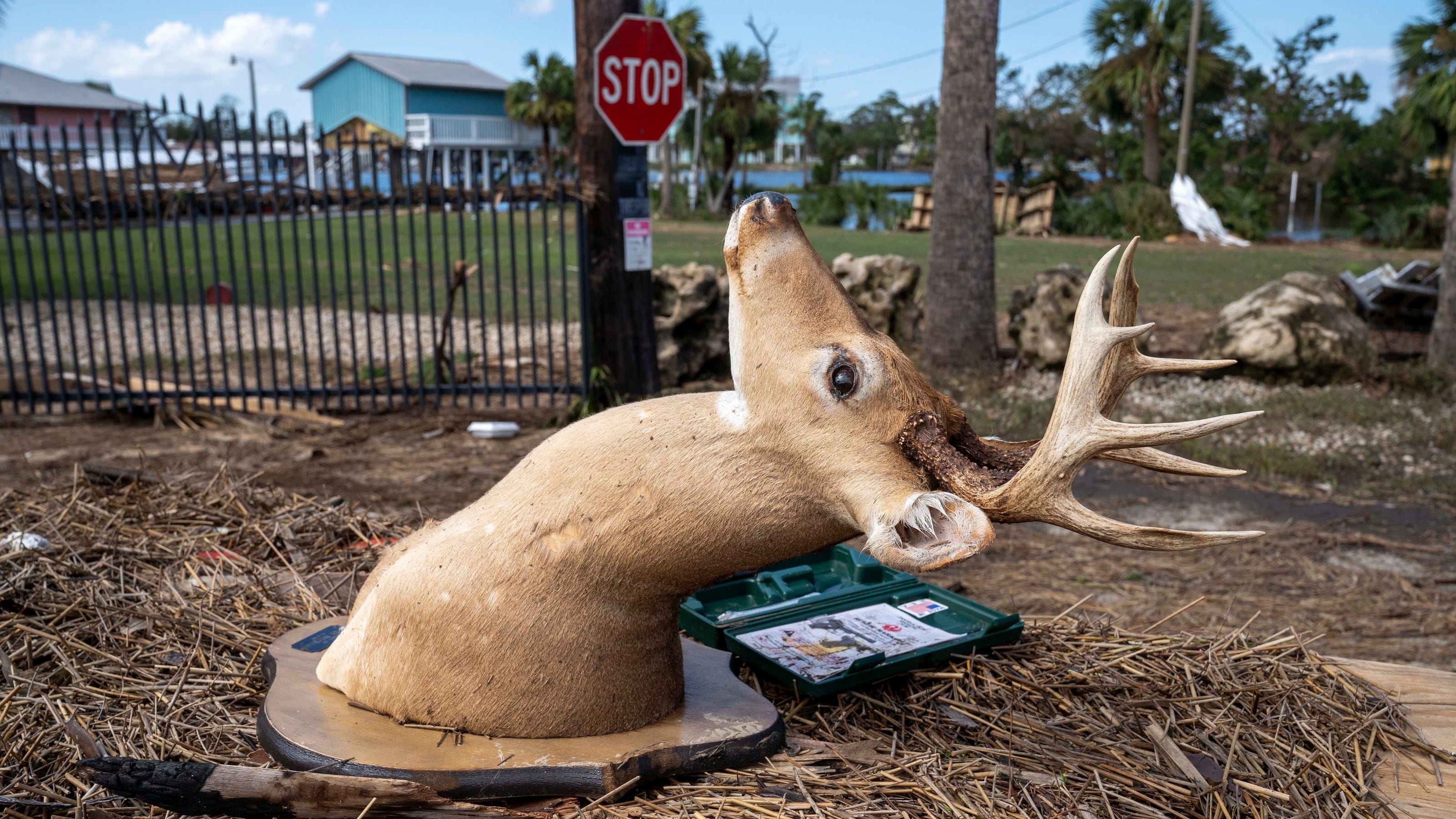
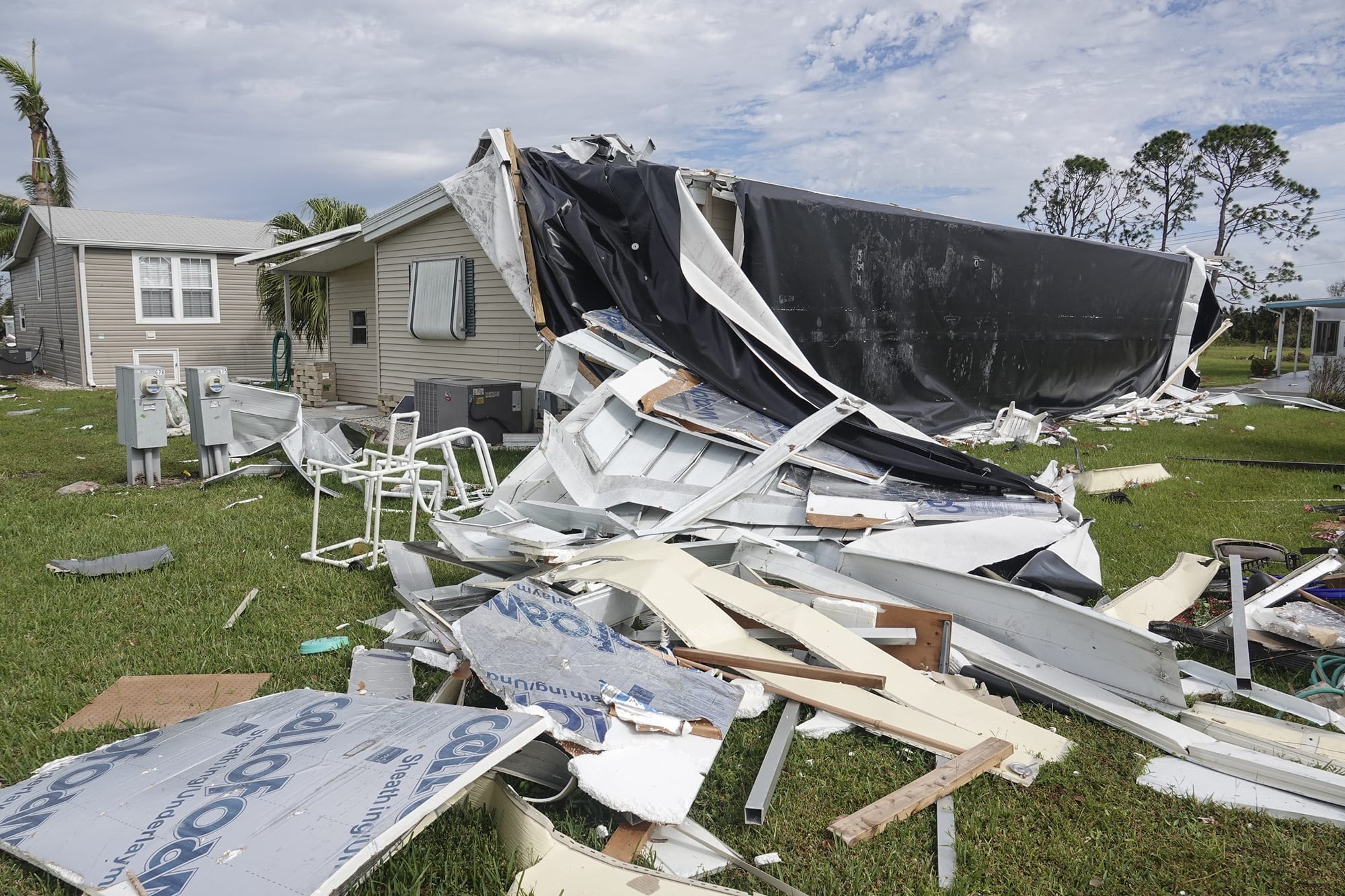
Three years after Hurricane Ian, construction crews still dominate the landscape of Fort Myers Beach. Entire blocks remain a mosaic of new foundations beside empty lots and storm-scarred buildings. But behind the noise of reconstruction lies an uncomfortable truth: many of the families who once lived here can no longer afford to return.
Insurance premiums continue to skyrocket. Homeowners across the region are now facing average yearly costs above $5,700—more than in nearly every other state. For some, premiums have doubled since Ian. Add flood insurance, stricter building codes, and elevated construction costs, and the math simply doesn’t work for middle-class households.
“Only well‑heeled players can play now,” says Rob Fowler, a longtime builder in the region. And he isn’t wrong. The quaint beach cottages and mom‑and‑pop inns that once gave Fort Myers Beach its charm are being replaced with stronger—but far more expensive—structures.
Gentrification Accelerated by Disaster
Gentrification was already creeping across coastal Florida, but Hurricane Ian fast‑tracked it. Wealthier newcomers continue to pour in, driving up land values and pushing out families who had lived and worked in the area for generations.
Local business owners report that many of their workers can no longer live anywhere near the island. Restaurant staff, retail clerks, and hospitality workers—the backbone of a tourist economy—are being priced out entirely as rents rise and insurance costs cascade down from landlords.
Even inland neighborhoods are feeling the pressure. Realtors say clients who once dreamed of coastal living are now selling their homes simply because they can’t afford insurance anymore—some facing annual premiums close to $10,000.
A Market Showing Signs of Strain
Home values in Lee County have dropped more than 10% in the past year, with homes sitting on the market much longer than before. Rising insurance premiums are a major driver of this shift, according to analysts and local Realtors.
Many homeowners are “pinching every penny” just to keep up with mortgages and insurance, warns Fort Myers Realtor Jessica Gatewood. If economic conditions continue, she fears a wave of foreclosures may hit the region.
For real estate professionals: Understanding insurance trends, flood zones, and rebuilding codes is essential for today’s Florida market. Cameron Academy’s Florida real estate courses help professionals stay ahead with relevant, real‑world knowledge. Visit CameronAcademy.com to grow or maintain your license.
Renters Feel the Pressure Too
The insurance crisis isn’t just affecting homeowners. Renters across Southwest Florida are seeing rents double—in some cases within just two years. Workers who once sought refuge from expensive cities like Miami are now looking to leave Florida altogether, seeking stability in states with lower housing costs.
Nearly 511,000 people moved out of Florida in 2023—the highest number ever recorded. High housing costs were the leading reason.
Rebuilding, Hoping, and Racing Against Time
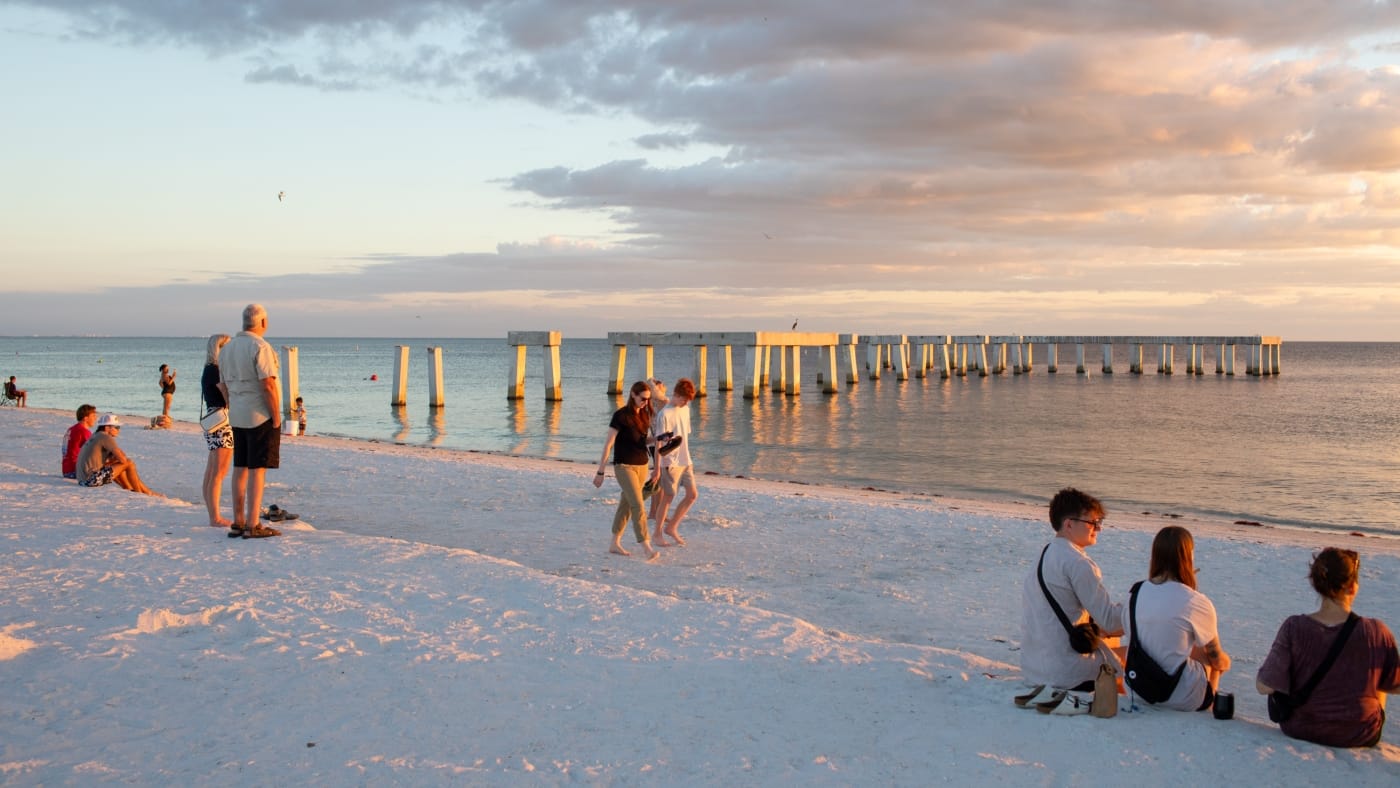
Despite the challenges, many residents still believe in the resilience of Fort Myers Beach. Restaurants are reopening, construction is booming, and sunsets still draw crowds to the shore. Some investors see opportunity, believing the island will come back stronger than ever.
But optimism is tempered by fear. One more major storm could halt progress, scare away investors, and set the community back another decade.
“People will come here, and they will build, and they will stay,” says Chamber of Commerce leader Jacki Liszak. Yet even she admits: another disaster could change everything.
Considering a career in Florida real estate, insurance, mortgage, or other licensed fields? From pre‑licensing to continuing education, Cameron Academy offers flexible, high‑quality training to help professionals thrive in changing markets.
More Articles
Getting licensed or staying ahead in your career can be a journey—but it doesn’t have to be overwhelming. Grab your favorite coffee or tea, take a moment to relax, and browse through our articles. Whether you’re just starting out or renewing your expertise, we’ve got tips, insights, and advice to keep you moving forward. Here’s to your success—one sip and one step at a time!
Los Alamitos Race Course is facing its most serious crisis in years after 18 horses died in 2025, prompting regulators to warn the track that its racing license is at risk without immediate safety reforms. Following three catastrophic injuries in a single day, the California Horse Racing Board has ordered urgent changes—including more veterinarians, stricter medication rules, and enhanced on‑track medical support—as pressure mounts for stronger oversight in a sport already under national scrutiny.
Canadian investors have poured more than US$5.8 billion into U.S. commercial real estate this year, making the U.S. their top destination even amid a lingering tariff dispute. Tight inventory in Canada and greater deal availability south of the border are driving the trend, with data centers and industrial properties emerging as the hottest targets for 2025.
Florida’s insurance commissioner says even industry pros struggle to read today’s 150‑page homeowners policies—leaving residents shocked when hurricane claims are denied. With rising premiums, high replacement costs, and widespread confusion over exclusions like flood and water damage, the state is pushing for simpler, clearer policy language so homeowners know what they’re actually covered for before the next storm hits.
Following the 2025 elections, major metros like New York, Chicago, Miami, Los Angeles, and Boston are implementing policy shifts that could reshape property values, rental income, development timelines, and investment strategy heading into 2026. From New York’s push toward aggressive rent reform to Chicago’s sustainability mandates and Miami’s uncertain mayoral runoff, these changes signal a new era where local politics increasingly dictate market performance. This breakdown highlights the biggest post‑election real estate pivots and what they mean for investors, agents, and finance professionals preparing for a rapidly evolving landscape.
Florida’s Insurance Commissioner is sounding the alarm after thousands of homeowners discovered—only after hurricanes Helene and Milton—that the coverage they thought they had didn’t exist. With nearly 150,000 unpaid claims tied to misunderstood flood exclusions, water‑damage caps, and buried policy clauses, state leaders are pushing to simplify the dense, confusing documents most Floridians never read. As insurance costs remain one of the state’s top concerns, this growing complexity is creating a massive opportunity for real estate, mortgage, and insurance professionals to guide consumers before disaster strikes.
Florida’s insurance market is reliving an old crisis under a new name. Despite reforms meant to stabilize the system, homeowners are being forced out of Citizens and into pricier policies from small insurers with shaky financial histories. Companies tied to past insolvencies are returning with fresh branding, while highly rated carriers continue to deny a majority of claims. With political influence muddying regulation and climate risks rising, experts warn that only a full structural overhaul—not cosmetic reforms—can restore confidence for homeowners, agents, and the entire real estate market.