Florida’s Insurance Crisis Is Reshaping Communities — And The Middle Class Is Feeling the Squeeze
Southwest Florida is no stranger to storms, but the aftermath of Hurricane Ian has revealed a new kind of disaster: an affordability crisis that’s pushing long-time residents, small businesses, and middle-class families to the brink. With rising insurance premiums, soaring construction prices, and a changing climate, communities like Fort Myers Beach are transforming faster than many can keep up.
The New Reality: Rebuilding Costs That Outpace Local Incomes
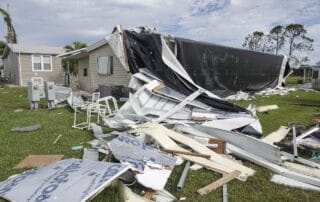
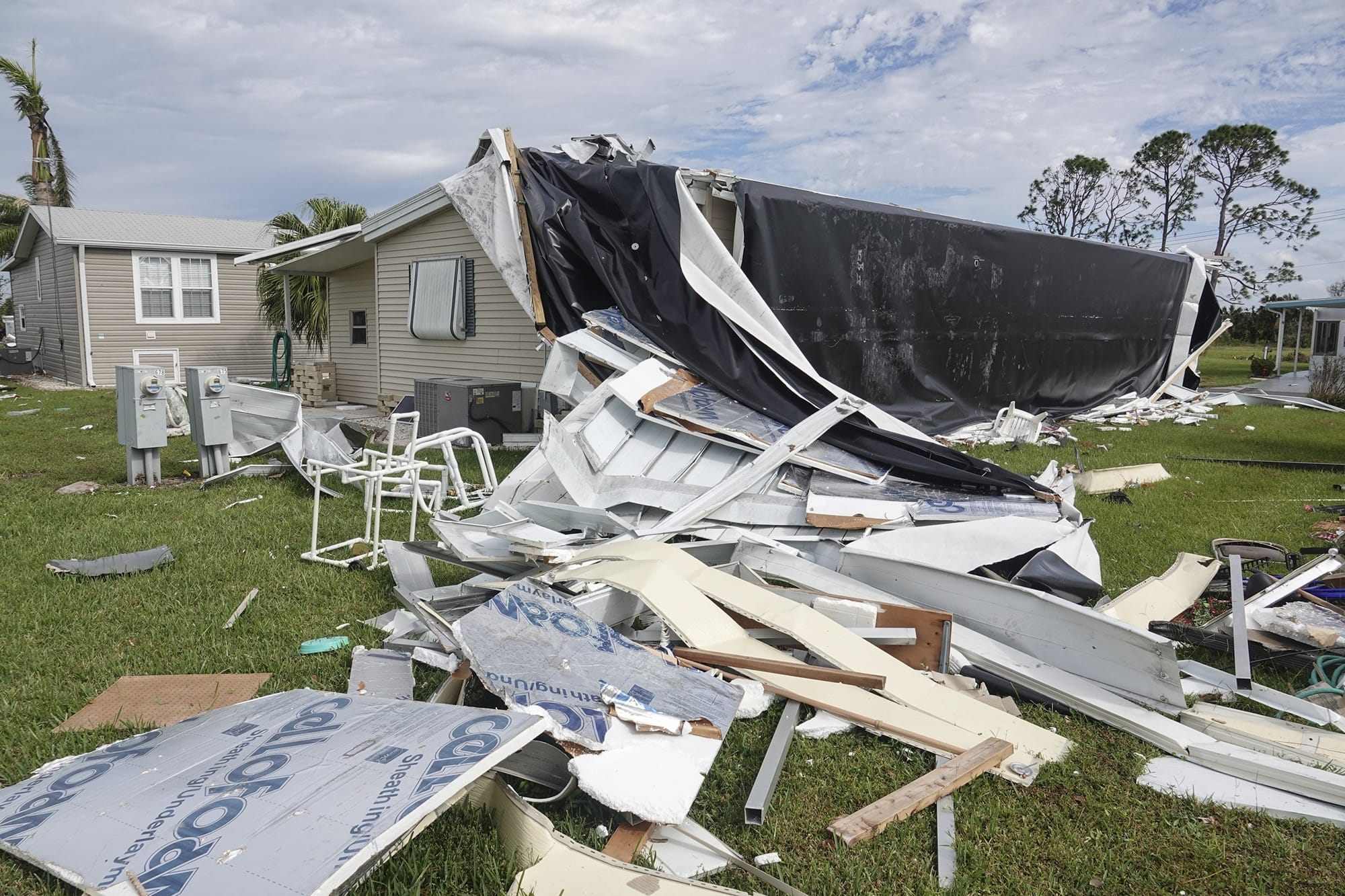
Three years after Hurricane Ian, construction crews still dominate the landscape of Fort Myers Beach. Entire blocks remain a mosaic of new foundations beside empty lots and storm-scarred buildings. But behind the noise of reconstruction lies an uncomfortable truth: many of the families who once lived here can no longer afford to return.
Insurance premiums continue to skyrocket. Homeowners across the region are now facing average yearly costs above $5,700—more than in nearly every other state. For some, premiums have doubled since Ian. Add flood insurance, stricter building codes, and elevated construction costs, and the math simply doesn’t work for middle-class households.
“Only well‑heeled players can play now,” says Rob Fowler, a longtime builder in the region. And he isn’t wrong. The quaint beach cottages and mom‑and‑pop inns that once gave Fort Myers Beach its charm are being replaced with stronger—but far more expensive—structures.
Gentrification Accelerated by Disaster
Gentrification was already creeping across coastal Florida, but Hurricane Ian fast‑tracked it. Wealthier newcomers continue to pour in, driving up land values and pushing out families who had lived and worked in the area for generations.
Local business owners report that many of their workers can no longer live anywhere near the island. Restaurant staff, retail clerks, and hospitality workers—the backbone of a tourist economy—are being priced out entirely as rents rise and insurance costs cascade down from landlords.
Even inland neighborhoods are feeling the pressure. Realtors say clients who once dreamed of coastal living are now selling their homes simply because they can’t afford insurance anymore—some facing annual premiums close to $10,000.
A Market Showing Signs of Strain
Home values in Lee County have dropped more than 10% in the past year, with homes sitting on the market much longer than before. Rising insurance premiums are a major driver of this shift, according to analysts and local Realtors.
Many homeowners are “pinching every penny” just to keep up with mortgages and insurance, warns Fort Myers Realtor Jessica Gatewood. If economic conditions continue, she fears a wave of foreclosures may hit the region.
For real estate professionals: Understanding insurance trends, flood zones, and rebuilding codes is essential for today’s Florida market. Cameron Academy’s Florida real estate courses help professionals stay ahead with relevant, real‑world knowledge. Visit CameronAcademy.com to grow or maintain your license.
Renters Feel the Pressure Too
The insurance crisis isn’t just affecting homeowners. Renters across Southwest Florida are seeing rents double—in some cases within just two years. Workers who once sought refuge from expensive cities like Miami are now looking to leave Florida altogether, seeking stability in states with lower housing costs.
Nearly 511,000 people moved out of Florida in 2023—the highest number ever recorded. High housing costs were the leading reason.
Rebuilding, Hoping, and Racing Against Time
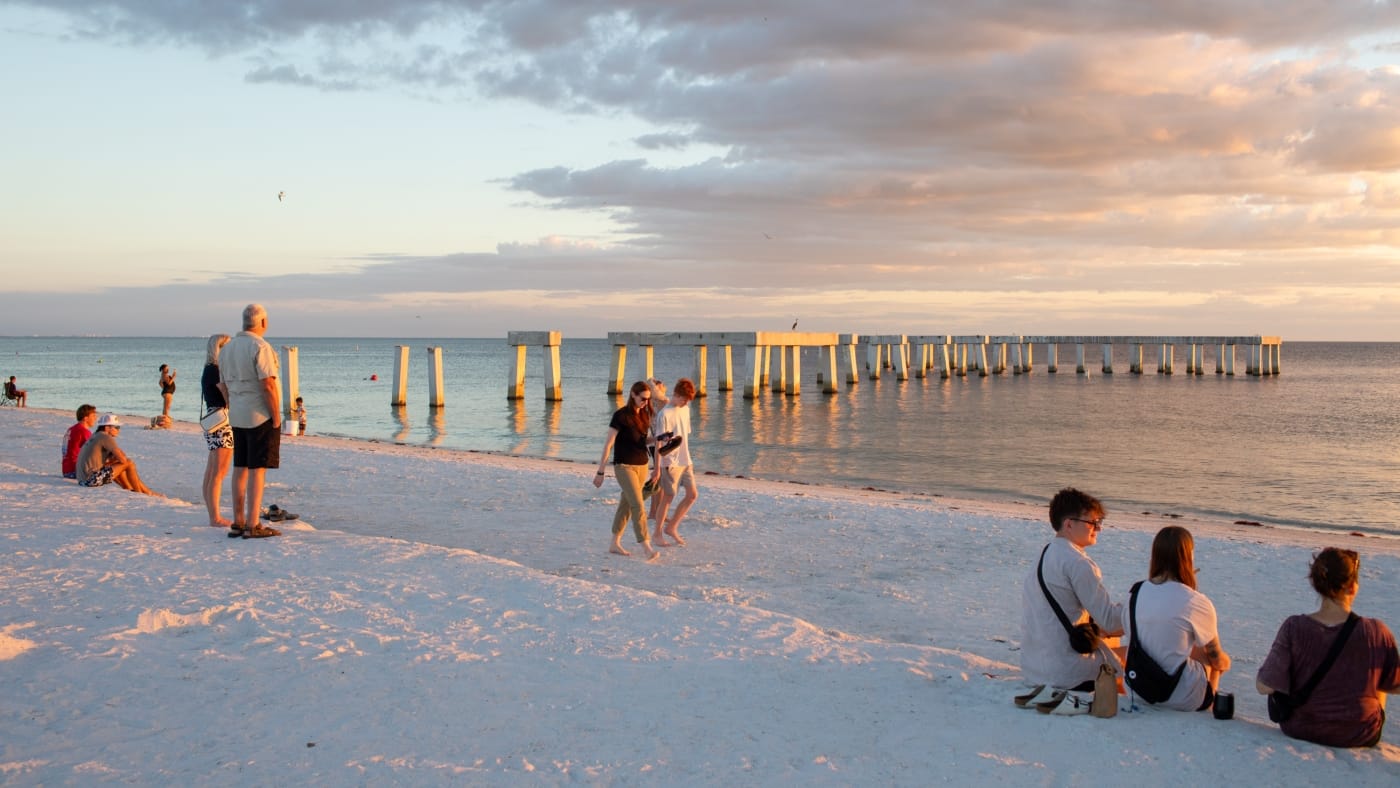
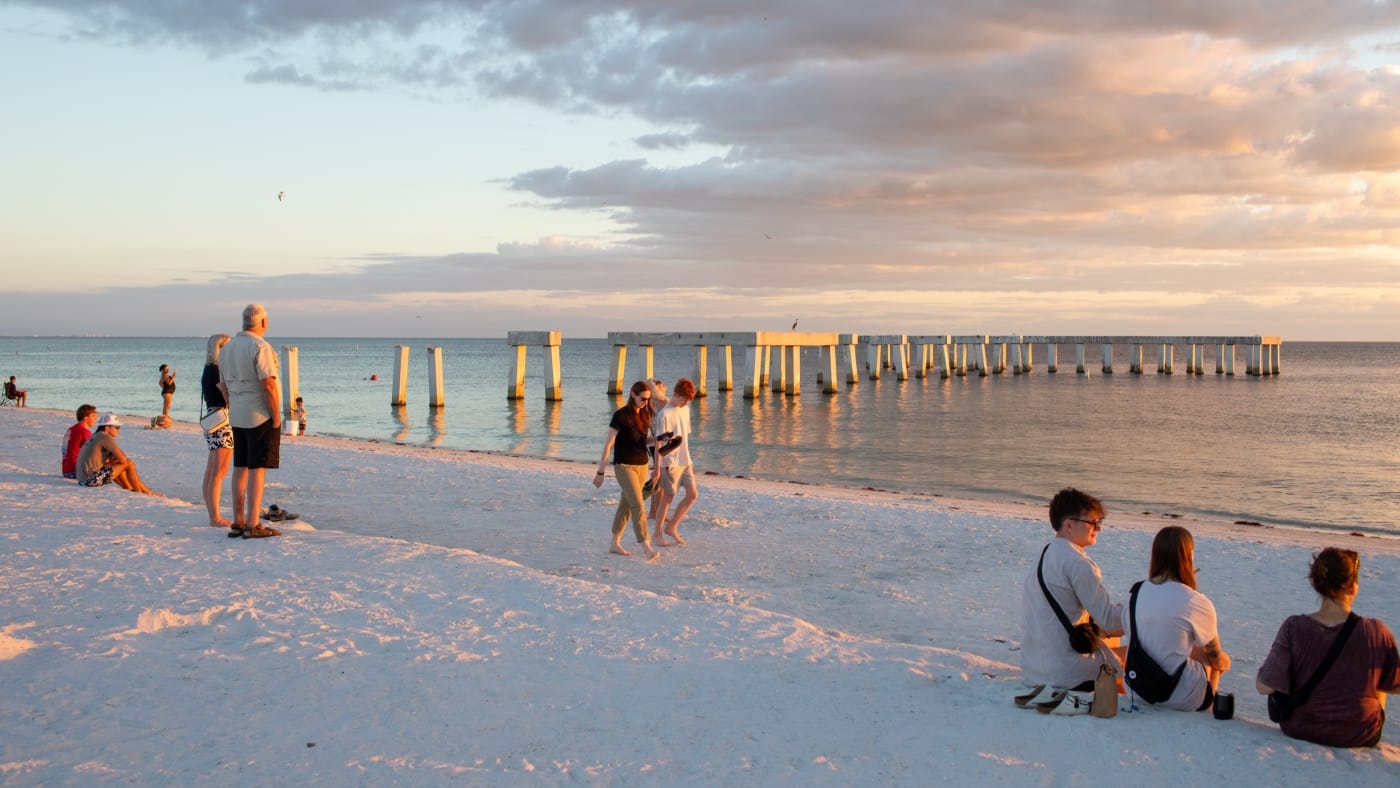
Despite the challenges, many residents still believe in the resilience of Fort Myers Beach. Restaurants are reopening, construction is booming, and sunsets still draw crowds to the shore. Some investors see opportunity, believing the island will come back stronger than ever.
But optimism is tempered by fear. One more major storm could halt progress, scare away investors, and set the community back another decade.
“People will come here, and they will build, and they will stay,” says Chamber of Commerce leader Jacki Liszak. Yet even she admits: another disaster could change everything.
Considering a career in Florida real estate, insurance, mortgage, or other licensed fields? From pre‑licensing to continuing education, Cameron Academy offers flexible, high‑quality training to help professionals thrive in changing markets.
More Articles
Getting licensed or staying ahead in your career can be a journey—but it doesn’t have to be overwhelming. Grab your favorite coffee or tea, take a moment to relax, and browse through our articles. Whether you’re just starting out or renewing your expertise, we’ve got tips, insights, and advice to keep you moving forward. Here’s to your success—one sip and one step at a time!
Local elections across major U.S. cities have kicked off a wave of policy changes that could reshape development costs, rental income, and investment strategies heading into 2026. From NYC’s aggressive tenant‑protection agenda to Chicago’s sustainability push, Miami’s political uncertainty, and Boston’s steady zoning overhaul, the post‑election environment is redefining how real estate professionals, investors, and lenders should prepare for the year ahead.
Insurance carriers are rapidly rolling out AI-related exclusions that strip coverage from claims involving AI tools, automated decision‑making, or generative platforms like ChatGPT and Midjourney. With firms like Berkley and Hamilton introducing sweeping “absolute” and generative‑AI‑specific exclusions, professionals in real estate, mortgage, insurance, and finance now face new liability gaps. As AI becomes unavoidable in everyday work, understanding these exclusions is essential for protecting your career and staying compliant in a fast‑changing risk environment.
Proptech startup Venn has raised a $52 million Series B to unify the entire renting lifecycle into one intelligent platform, replacing over a dozen traditional systems and serving more than half a million tenants. As AI‑powered tools like Venn rapidly reshape property operations, real estate professionals — especially in fast‑moving markets like Florida — will need stronger education and tech‑savvy skills to stay competitive.
Florida’s Gulf Coast is undergoing a dramatic transformation as soaring insurance premiums, costly construction requirements, and the long shadow of Hurricane Ian force middle‑class families, workers, and longtime residents out of communities they once anchored. With premiums topping $5,700 a year — and many paying far more — Realtors warn of looming foreclosures, renters face steep increases, and entire neighborhoods are being rebuilt for wealthier newcomers. This mounting crisis is reshaping the state’s real estate landscape and leaving professionals scrambling to adapt.
Economic uncertainty, rapid tech advances and shifting population patterns are setting the stage for a pivotal year in commercial real estate. New findings from the Counselors of Real Estate, presented at NAR NXT, outline ten major forces reshaping strategy, investment and opportunity in 2026—from policy impacts and portfolio risk to AI adoption, capital flow changes, housing attainability and demographic shifts. This outlook offers clarity and caution for professionals across real estate, mortgage, finance and related fields.
Florida’s home insurance crisis is back in the spotlight as new reforms appear to be repeating decades‑old mistakes. Despite efforts to depopulate Citizens and attract private insurers, many of the companies taking over policies have ties to past insolvencies. Critics say weak oversight, generous ratings, and political influence are allowing unstable insurers to thrive while homeowners pay more for less protection. Experts warn that without transparent ratings, real accountability, and unified regulation, Florida’s insurance market will remain vulnerable—putting property values, lending, and the broader real estate industry at risk.