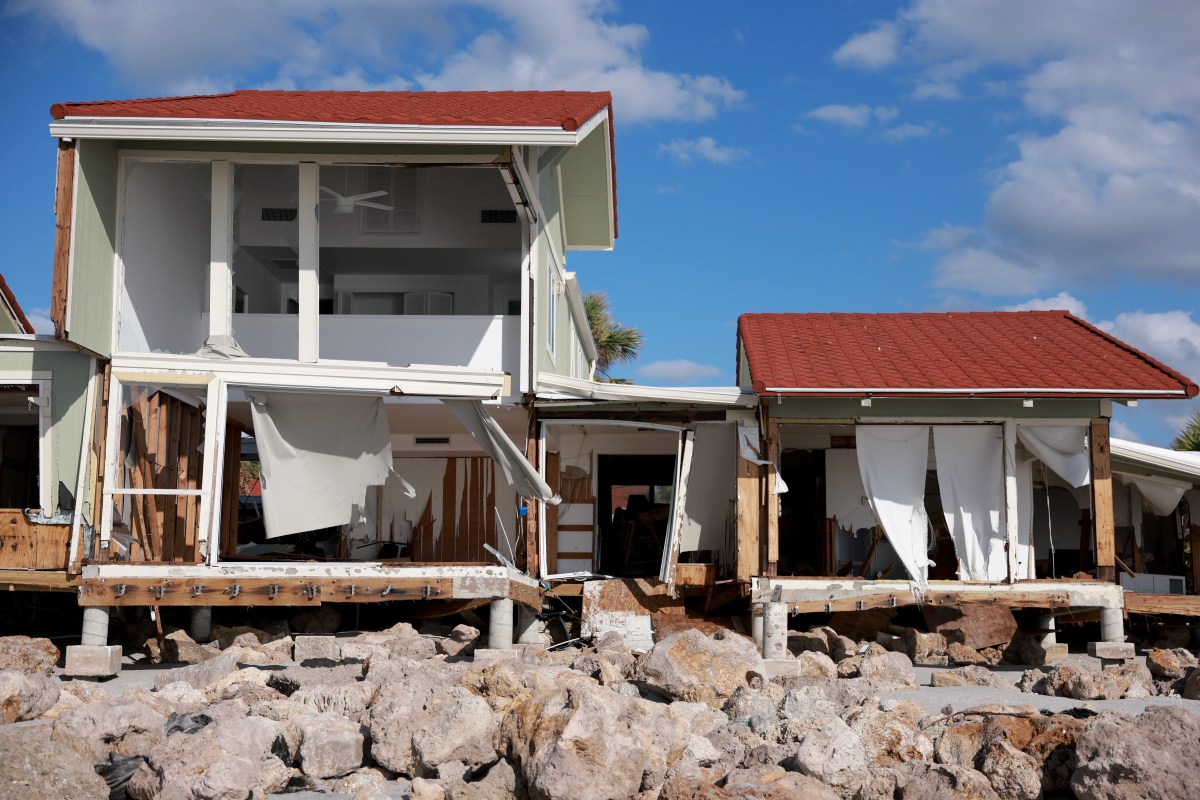
Storm damaged coastal home

Florida’s Insurance Turmoil Draws Federal Scrutiny — And Why It Matters for Real Estate and Mortgage Professionals

A fresh investigation has been opened into the Florida insurance landscape, and it’s raising alarms from Washington to Miami. Three U.S. senators have launched a formal inquiry into Demotech — the ratings firm whose assessments determine which insurers remain eligible for mortgages backed by Fannie Mae and Freddie Mac. The concern? That “lightly regulated” ratings may be exposing America’s largest mortgage players, and ultimately taxpayers, to a potential market collapse.

Why This Matters More Than Ever

Demotech has been a central figure in Florida’s volatile insurance market for decades, originally created to rate smaller insurers that bigger agencies wouldn’t touch. But despite holding the majority of ratings in Florida, a troubling pattern has emerged: insurers with strong Demotech ratings have still gone insolvent — more than 20 percent between 2009 and 2022.

A joint study from Columbia Business School, Harvard Business School, and the Federal Reserve Board found that over 60 percent of Florida insurers held a Demotech rating — far more than in any other state. This means the state’s entire housing ecosystem, from homeowners to lenders, is deeply intertwined with the firm’s methodology.

The Federal Concern

Fannie Mae and Freddie Mac together back most of the 51 million residential mortgages in the U.S. Yet both institutions have accepted a minimum “A” rating from Demotech since the late 1980s — without reevaluating whether that rating still meets modern risk standards.

Lawmakers argue this may allow private lenders to pass riskier, climate‑vulnerable mortgages into the federal system, where taxpayers ultimately bear the consequences. In their letter, Senators Sheldon Whitehouse, Ron Wyden, and Elizabeth Warren warn that a climate‑driven insurance collapse in Florida could ripple through mortgage‑backed securities, triggering defaults and destabilizing the national market — a scenario they compare to the 2008 financial crisis.

What People Are Saying

“Demotech’s deep involvement in the Florida insurance market — and its repeated methodological shortcomings — raise profound governance and reliability concerns,” the senators wrote.

Bob Warren, ratings manager at Demotech, defended the company, saying that no firm can predict insolvency 18 months out — and that ratings should not extend further than a 12‑month projection.

What’s Next?

Lawmakers are demanding answers. They’ve asked Fannie Mae and Freddie Mac to strengthen oversight of insurer risk and provide detailed explanations of their risk‑management processes by January 13, 2026.

The outcome could reshape how insurers are rated, how mortgages are approved, and how risk is measured in high‑exposure states like Florida.

Why Professionals Should Pay Attention

For real estate agents, mortgage brokers, insurance professionals, and anyone navigating Florida’s unique housing landscape, this investigation signals long‑term shifts in how property risk is evaluated. Understanding these changes is critical for advising clients, anticipating market shifts, and protecting your business.

If you’re expanding your skills or pursuing a new license in real estate, insurance, or finance, institutions like Cameron Academy help professionals stay ahead of regulatory, economic, and market‑driven changes shaping the industry.

This story is still developing. For the original reporting, visit the full article on Newsweek.

More Articles

Getting licensed or staying ahead in your career can be a journey—but it doesn’t have to be overwhelming. Grab your favorite coffee or tea, take a moment to relax, and browse through our articles. Whether you’re just starting out or renewing your expertise, we’ve got tips, insights, and advice to keep you moving forward. Here’s to your success—one sip and one step at a time!

Florida Homeowners Finally Get Relief as Gov. DeSantis Announces Significant Insurance Premium Cuts

Florida homeowners — especially in hard‑hit South Florida — are set to see rare and substantial reductions in their property insurance premiums. Gov. Ron DeSantis announced an average statewide Citizens Insurance decrease of 8.7%, with even larger savings of up to 14% in counties like Miami-Dade, Broward, and Palm Beach. State officials credit recent legal and regulatory reforms for stabilizing the market, attracting new insurers, and delivering the first meaningful rate relief Floridians have seen in years.

Tampa’s Real Estate Market Enters a Smarter, More Selective Growth Phase

Tampa’s commercial real estate market isn’t slowing—it’s maturing. With strong population growth, rising office demand, a normalized industrial sector, resurgent retail, and an emerging health‑care real estate boom, investors are shifting from speed to strategy. Tighter underwriting, cautious capital and increased due‑diligence are shaping a more disciplined market, creating new opportunities for informed professionals.

Florida Slashes Home Insurance Rates: Biggest Drop in a Decade Sends Shockwaves Through the Market

Florida homeowners are finally seeing relief as Citizens Property Insurance announces a major 8.7% average rate decrease—far larger than originally proposed. Driven by legislative reforms, fewer lawsuits, and a calm hurricane season, the state’s once‑unstable insurance market is showing real signs of recovery. But with reduced coverage limits and shifting legal protections, experts warn that lower premiums may come with hidden trade‑offs.

Florida Homeowners Finally Get Insurance Relief After Years of Soaring Premiums

After a decade of rising premiums and retreating carriers, Florida homeowners are finally seeing long‑awaited relief. Dozens of insurers have filed for rate decreases—some as high as 11%—thanks to legislative reforms and a stabilizing market. Early approvals are already hitting counties across the state, and experts say the momentum could boost buyer confidence, affordability, and competition throughout Florida’s real estate and insurance sectors.

Self‑Storage Investing in 2026: A Market Thaw Opens the Door to Big Opportunities

After years of slowed activity caused by rising interest rates, the self‑storage industry is heating up again. New data from Marcus & Millichap shows a fresh market cycle emerging, driven by renewed buyer confidence, recalibrated pricing, and stronger lender participation. Acquisitions are rebounding, development is resetting in a healthier direction, and financing conditions are improving—creating one of the most promising investment landscapes the sector has seen in years.

Brookline’s Real Flood Risk: What FEMA’s New Maps Reveal—and What They Miss

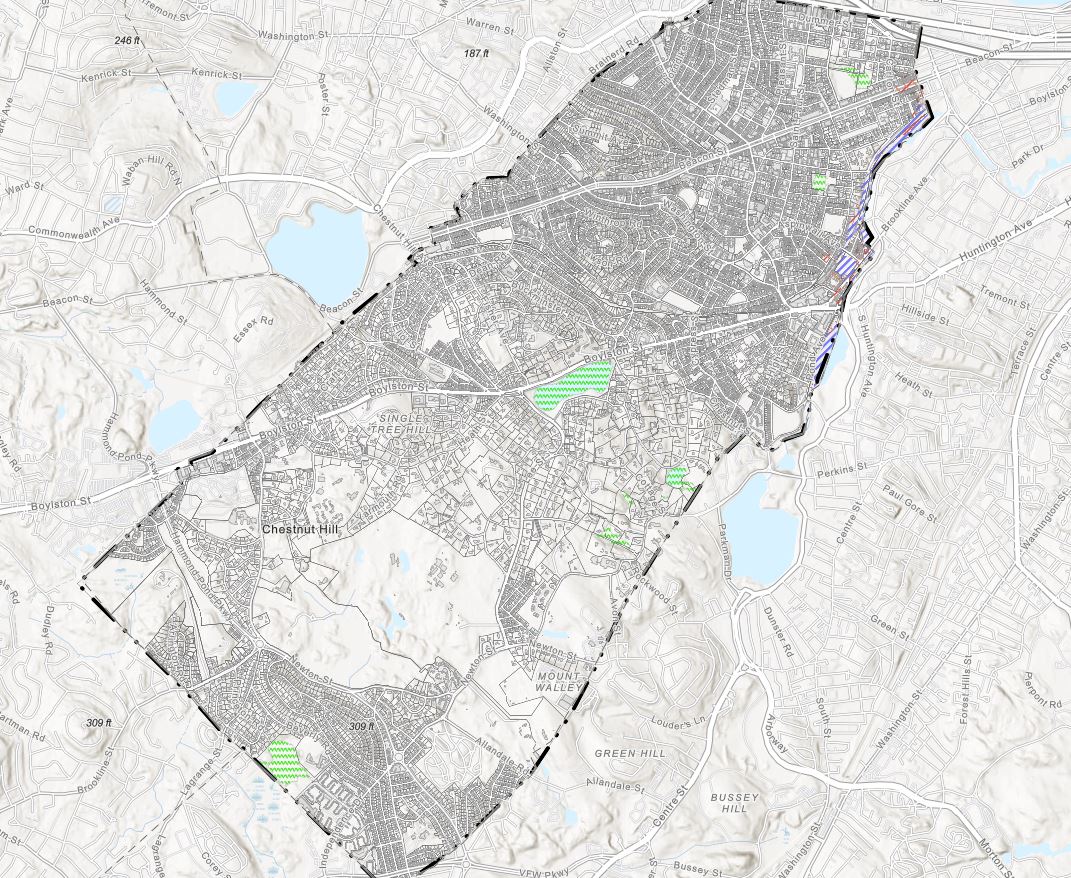
Brookline’s newly updated FEMA flood maps identify 97 high‑risk parcels, but local experts warn the true threat is far greater. While FEMA highlights river‑based flooding around Leverett Pond and the Muddy River, alternative models show more than 1,300 Brookline properties at risk within 30 years. Hidden vulnerabilities along major corridors like Beacon Street, rising rainfall intensity, aging infrastructure, and climate‑driven storm patterns suggest that many “low‑risk” areas may be anything but safe.