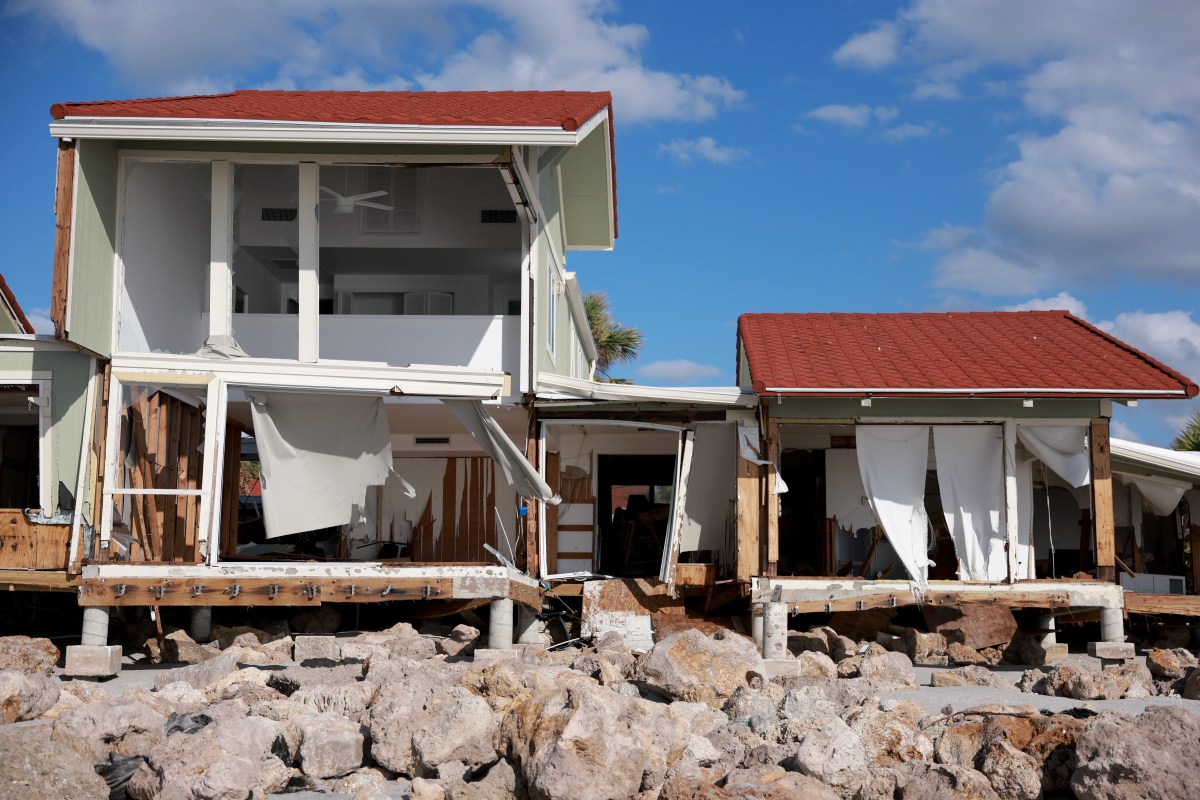
Storm damaged coastal home

Florida’s Insurance Turmoil Draws Federal Scrutiny — And Why It Matters for Real Estate and Mortgage Professionals

A fresh investigation has been opened into the Florida insurance landscape, and it’s raising alarms from Washington to Miami. Three U.S. senators have launched a formal inquiry into Demotech — the ratings firm whose assessments determine which insurers remain eligible for mortgages backed by Fannie Mae and Freddie Mac. The concern? That “lightly regulated” ratings may be exposing America’s largest mortgage players, and ultimately taxpayers, to a potential market collapse.

Why This Matters More Than Ever

Demotech has been a central figure in Florida’s volatile insurance market for decades, originally created to rate smaller insurers that bigger agencies wouldn’t touch. But despite holding the majority of ratings in Florida, a troubling pattern has emerged: insurers with strong Demotech ratings have still gone insolvent — more than 20 percent between 2009 and 2022.

A joint study from Columbia Business School, Harvard Business School, and the Federal Reserve Board found that over 60 percent of Florida insurers held a Demotech rating — far more than in any other state. This means the state’s entire housing ecosystem, from homeowners to lenders, is deeply intertwined with the firm’s methodology.

The Federal Concern

Fannie Mae and Freddie Mac together back most of the 51 million residential mortgages in the U.S. Yet both institutions have accepted a minimum “A” rating from Demotech since the late 1980s — without reevaluating whether that rating still meets modern risk standards.

Lawmakers argue this may allow private lenders to pass riskier, climate‑vulnerable mortgages into the federal system, where taxpayers ultimately bear the consequences. In their letter, Senators Sheldon Whitehouse, Ron Wyden, and Elizabeth Warren warn that a climate‑driven insurance collapse in Florida could ripple through mortgage‑backed securities, triggering defaults and destabilizing the national market — a scenario they compare to the 2008 financial crisis.

What People Are Saying

“Demotech’s deep involvement in the Florida insurance market — and its repeated methodological shortcomings — raise profound governance and reliability concerns,” the senators wrote.

Bob Warren, ratings manager at Demotech, defended the company, saying that no firm can predict insolvency 18 months out — and that ratings should not extend further than a 12‑month projection.

What’s Next?

Lawmakers are demanding answers. They’ve asked Fannie Mae and Freddie Mac to strengthen oversight of insurer risk and provide detailed explanations of their risk‑management processes by January 13, 2026.

The outcome could reshape how insurers are rated, how mortgages are approved, and how risk is measured in high‑exposure states like Florida.

Why Professionals Should Pay Attention

For real estate agents, mortgage brokers, insurance professionals, and anyone navigating Florida’s unique housing landscape, this investigation signals long‑term shifts in how property risk is evaluated. Understanding these changes is critical for advising clients, anticipating market shifts, and protecting your business.

If you’re expanding your skills or pursuing a new license in real estate, insurance, or finance, institutions like Cameron Academy help professionals stay ahead of regulatory, economic, and market‑driven changes shaping the industry.

This story is still developing. For the original reporting, visit the full article on Newsweek.

More Articles

Getting licensed or staying ahead in your career can be a journey—but it doesn’t have to be overwhelming. Grab your favorite coffee or tea, take a moment to relax, and browse through our articles. Whether you’re just starting out or renewing your expertise, we’ve got tips, insights, and advice to keep you moving forward. Here’s to your success—one sip and one step at a time!

Mortgage Rates Drop for the Holidays, but Homebuyers Aren’t Budging

The average 30-year mortgage rate slipped to 6.18% just before Christmas, offering a small break from last year’s higher levels. Yet despite the improvement, mortgage applications for purchases and refinances have fallen to a three‑month low as buyers remain cautious. With mixed rate movements, fluctuating Treasury yields, and affordability challenges still weighing on first‑time buyers, the market is showing signs of stability but not momentum. Real estate professionals who stay informed on these shifting conditions will be best positioned to guide clients in 2026.

Premium U.S. CRE Soars as Smaller Markets Slide: A New Two‑Tier Reality Takes Hold

New CoStar data shows a widening split in the U.S. commercial real estate market, with high-value office towers, industrial hubs and major retail assets posting steady gains while smaller properties in secondary markets continue to lose ground. Premium assets logged their sixth straight monthly price increase in November, boosted by falling interest rates and limited new construction, while lower‑tier properties saw continued price declines and weakening demand.

Microsoft’s New Licensing Overhaul Hits Healthcare Budgets: What Leaders Must Prepare For Now

Microsoft has eliminated long‑standing volume discounts on cloud services like Microsoft 365, Power BI, Intune and Defender, meaning healthcare organizations will soon pay the same price per seat whether they purchase 100 or 10,000 licenses. With the change taking effect at renewal, hospitals and health systems must begin auditing unused licenses, right‑sizing staff tiers, and re‑evaluating digital workflows to avoid major cost spikes. CDW is stepping in with advisory support, cost‑optimization tools, and flexible CSP options to help organizations navigate the transition before budgets tighten further.

Where America Is Building the Most Homes in 2026 — And Why It Matters to Your Career

America is still short nearly 2.8 million homes, and in 2026 the states driving the bulk of new construction are once again Florida and Texas. With the South producing more than half of all new building permits nationwide, these regions are shaping the future of inventory, affordability, and opportunity. For real estate, mortgage, insurance, and finance professionals, the surge in Southern homebuilding—especially in Florida—signals expanding career potential as new inventory enters the market and demand for licensed experts continues to rise.

Irondequoit Tops the List as America’s Most Competitive Housing Market

A new Redfin report crowns Irondequoit, New York as the nation’s most competitive housing market, with homes selling in just 8.5 days and often above asking. Priced at a median of $249,132, the lakeside suburb is drawing buyers seeking affordability and speed. The surprising lineup of competing markets—from Bay Area tech hubs to Rust Belt metros—highlights a shifting post‑pandemic housing landscape where affordability pressures and regional disparities continue to shape buyer behavior.

Alaska Tightens TPA Licensing Rules Ahead of 2026: Key Changes Professionals Must Prepare For

Alaska has overhauled its Third Party Administrator licensing rules, eliminating major long‑standing exemptions and pulling many previously exempt organizations into full licensing requirements starting January 1, 2026. Under Senate Bill 132 and Bulletin B 25‑09, TPAs must now review their operations, prepare documentation, and monitor upcoming state guidance as Alaska moves toward stricter oversight and stronger consumer protection.