New Reforms, Old Problems: Florida’s Insurance Market Still on Shaky Ground
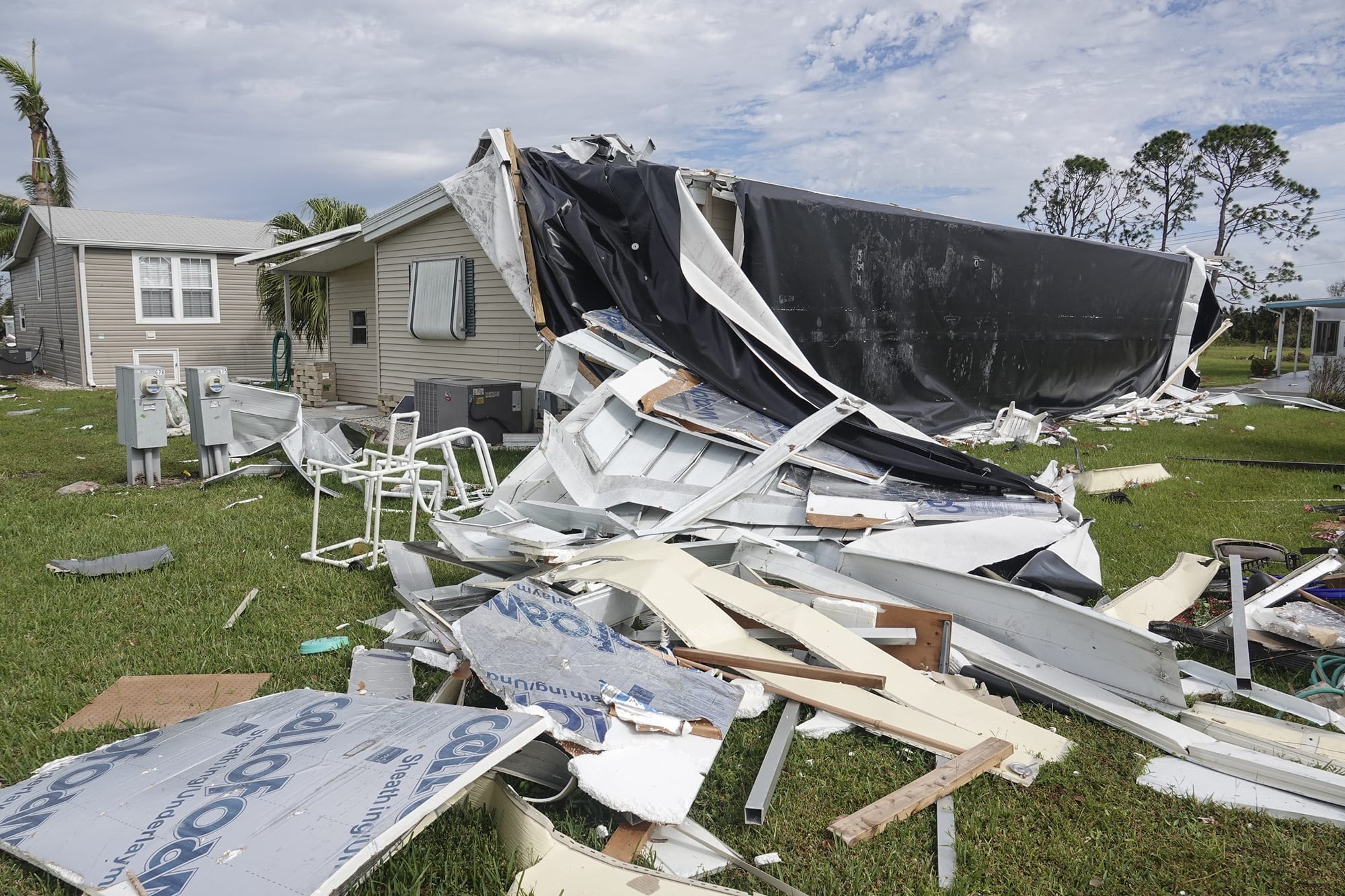
Florida’s home insurance market has always been unpredictable, but recent reforms meant to stabilize the system appear to be repeating history rather than rewriting it. With insurers exiting, premiums rising, and new companies stepping in with questionable backgrounds, many homeowners and real estate professionals are once again navigating a landscape filled with uncertainty.
The latest developments trace back to Gov. Ron DeSantis’s 2022 legislative package—described by some as a seasonal gift to the insurance industry. Similar efforts followed Hurricane Andrew decades ago, and just like then, the result has been a wave of small, lightly capitalized insurers entering a market still trembling under the weight of catastrophic risk.
In 2023, Florida began aggressively depopulating Citizens Property Insurance Corporation, the state’s insurer of last resort. Citizens is required to shift policyholders to private carriers if the premium difference is within 20 percent. For many Floridians, this meant being moved into newer, more costly policies with companies that often lacked long-term financial strength.
According to the Insurance Fairness Project, some private insurers now assuming Citizens policies have ties to previous insolvencies. One notable example is Viceroy Preferred Insurance Company, sharing board members with Monarch National—an insurer fined $325,000 for mishandling hurricane claims and linked to the now‑insolvent FedNat Insurance.
“Many of the same conditions that left homeowners exposed in the last crisis are being reproduced.” — Insurance Fairness Project
Checkered Pasts and Rating Gaps
While many new insurers have been approved to take on Citizens’ policies, several carry histories of claim denials or financial instability. Some, like Patriot Select (formerly Anchor Insurance), reentered the market after prior restructuring. Others, such as Apex, emerged from the remnants of insurers that failed in earlier decades.
Compounding the uncertainty is the influence of Demotech—Florida’s most widely used private ratings agency. Despite awarding many insurers “A” ratings, Demotech-rated companies have historically failed at much higher rates compared to major national agencies. Between 2017 and 2025, 17 insurers collapsed within a year of receiving top marks.
Homeowners Paying More for Less
New data from independent agency Weiss Ratings paints a troubling picture: 14 Florida insurers closed more than half of homeowner damage claims without payment in 2024. People’s Trust Insurance Company topped the list, denying an astonishing 75 percent of claims. Slide Insurance Company, another recent entrant, denied more than half—despite holding an “A” rating.
Slide’s leadership also raised eyebrows for multimillion-dollar executive payouts at a time when policyholders struggled. Their opulent lifestyle, including a 9,600-square-foot waterfront estate, has only intensified resentment.
Political Currents Beneath the Surface
Florida’s insurance industry has long been intertwined with state politics. Substantial donations from top executives to political committees and allegations of regulators softening findings on insurer profitability continue to raise questions about oversight and public protection.
Climate finance strategist Jordan Haedtler argues that fragmented oversight across various agencies only deepens the crisis. His team proposes consolidating insurance regulation, disaster recovery, land-use planning, and building codes into a single streamlined authority.
Calls for a True Overhaul
The Insurance Fairness Project asserts Florida must move “beyond cosmetic fixes.” Experts like Martin Weiss go further, suggesting the state may need to reconstruct its entire insurance system from scratch to restore stability and protect homeowners.
For real estate professionals, lenders, and homebuyers, insurance reforms—good or bad—shape the trajectory of Florida’s entire housing market. Understanding the shifting insurance landscape is now as essential as tracking inventory or interest rates.
That’s why institutions like Cameron Academy remain committed to helping professionals stay informed, licensed, and prepared. Whether you’re earning your first real estate certification or expanding your professional portfolio, staying educated is your strongest advantage in a rapidly evolving market.
Getting licensed or staying ahead in your career can be a journey—but it doesn’t have to be overwhelming. Grab your favorite coffee or tea, take a moment to relax, and browse through our articles. Whether you’re just starting out or renewing your expertise, we’ve got tips, insights, and advice to keep you moving forward. Here’s to your success—one sip and one step at a time!
Lofty has launched the industry’s first Agentic AI Operating System, a breakthrough platform that doesn’t just follow commands—it plans, executes, evaluates, and adapts entire workflows on its own. Designed specifically for real estate professionals, the system acts like an AI “orchestra,” coordinating specialized agents for lead qualification, marketing, SEO, transaction management, website creation, and more. With leaders calling this a major leap beyond traditional tools, Lofty AOS signals a new era where agents can focus on relationships and closings while AI handles the heavy lifting.
Florida’s insurance landscape is finally showing signs of stability as private insurers return and Citizens Property Insurance drops below 400,000 policies. Insurance Commissioner Michael Yaworsky says reforms are working, but homeowners may not feel relief yet as inflation and rebuilding costs keep premiums high. With transparency improvements, mitigation credits, and new AI regulations on the horizon, Florida aims to avoid another insurance crisis while keeping the market competitive and consumer‑friendly.
Mortgage rates just hit their lowest point since 2022, closing January at 6.18% and giving buyers and industry professionals a rare moment of relief. But while the Federal Reserve continues to pause rate hikes, economists warn that significant declines are unlikely. Most forecasts show rates hovering near 6% through 2026, with political uncertainty and inflation keeping markets volatile. For now, stability may be the best we get — and even that could be temporary.
Propy, a fast-growing real estate tech firm blending AI automation with blockchain-backed transaction systems, has secured a major $100 million credit facility to accelerate nationwide title company consolidation. The funding aims to modernize the traditionally slow, paper-heavy closing process, offering real estate professionals a faster, more secure, and more transparent experience. As automation reshapes the industry, staying educated on emerging technology will be essential for agents, brokers, mortgage professionals, and investors looking to stay competitive.
Escrow payments in Florida have jumped an astonishing 70% since 2019, far outpacing the national average and now consuming nearly 38% of a typical monthly mortgage payment. Surging insurance premiums and rising property taxes are driving the increase, reshaping affordability for homeowners and pricing out many would‑be buyers.
After losing their Altadena home in the LA wildfires, Jessica and Matt Conkle expected State Farm to help them rebuild. Instead, they faced months of delays, low valuations, and stalled claims — a struggle shared by nearly 80 percent of wildfire survivors. As insurers pull out of high‑risk areas and premiums soar, the crisis is reshaping homeownership, tightening mortgage approvals, and straining government safety nets. What’s happening in California is rapidly becoming a national issue, with real estate, mortgage, and insurance professionals on the front lines of a system under unprecedented pressure.