New Reforms, Old Problems: Florida’s Insurance Market Still on Shaky Ground
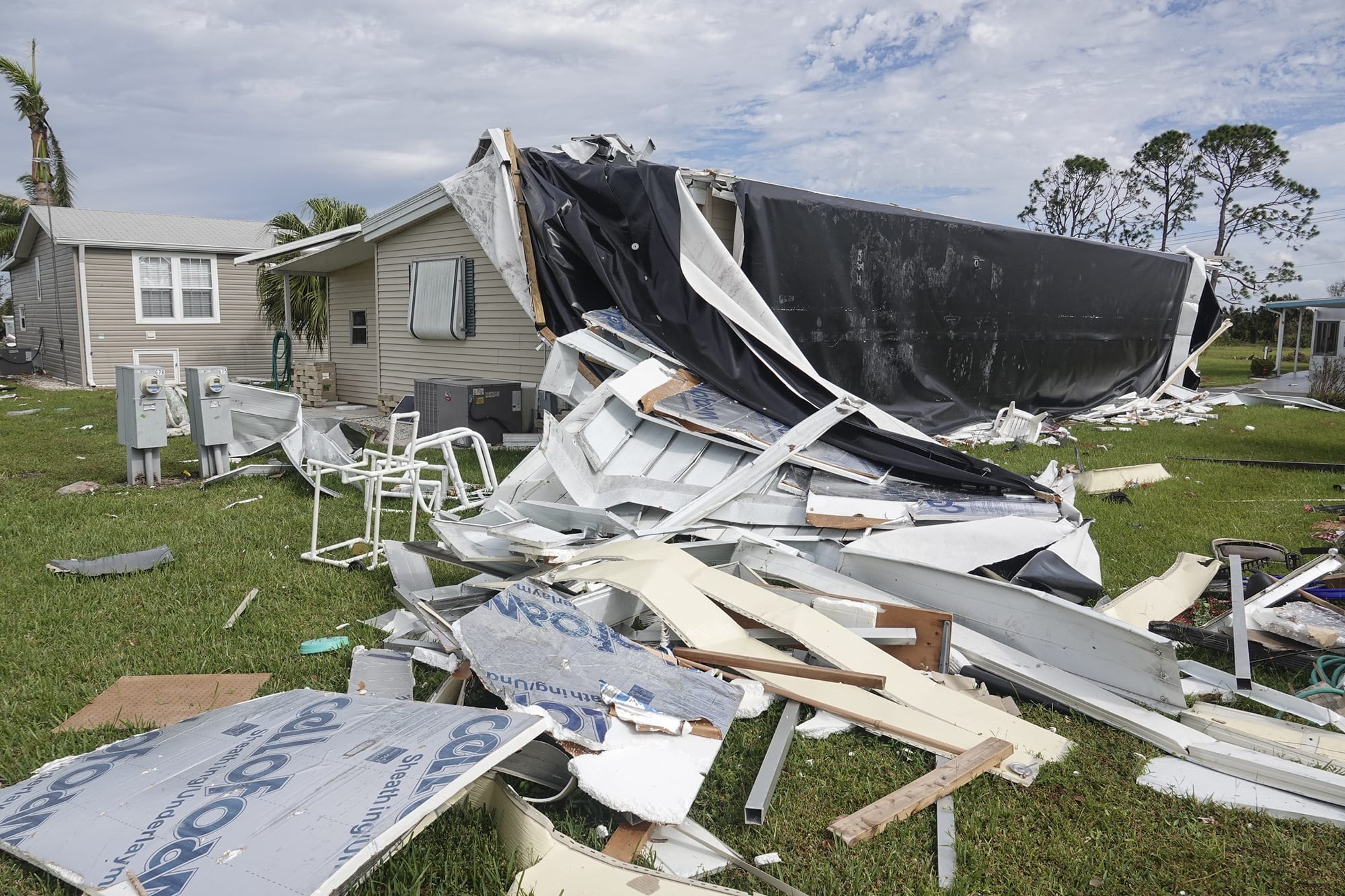
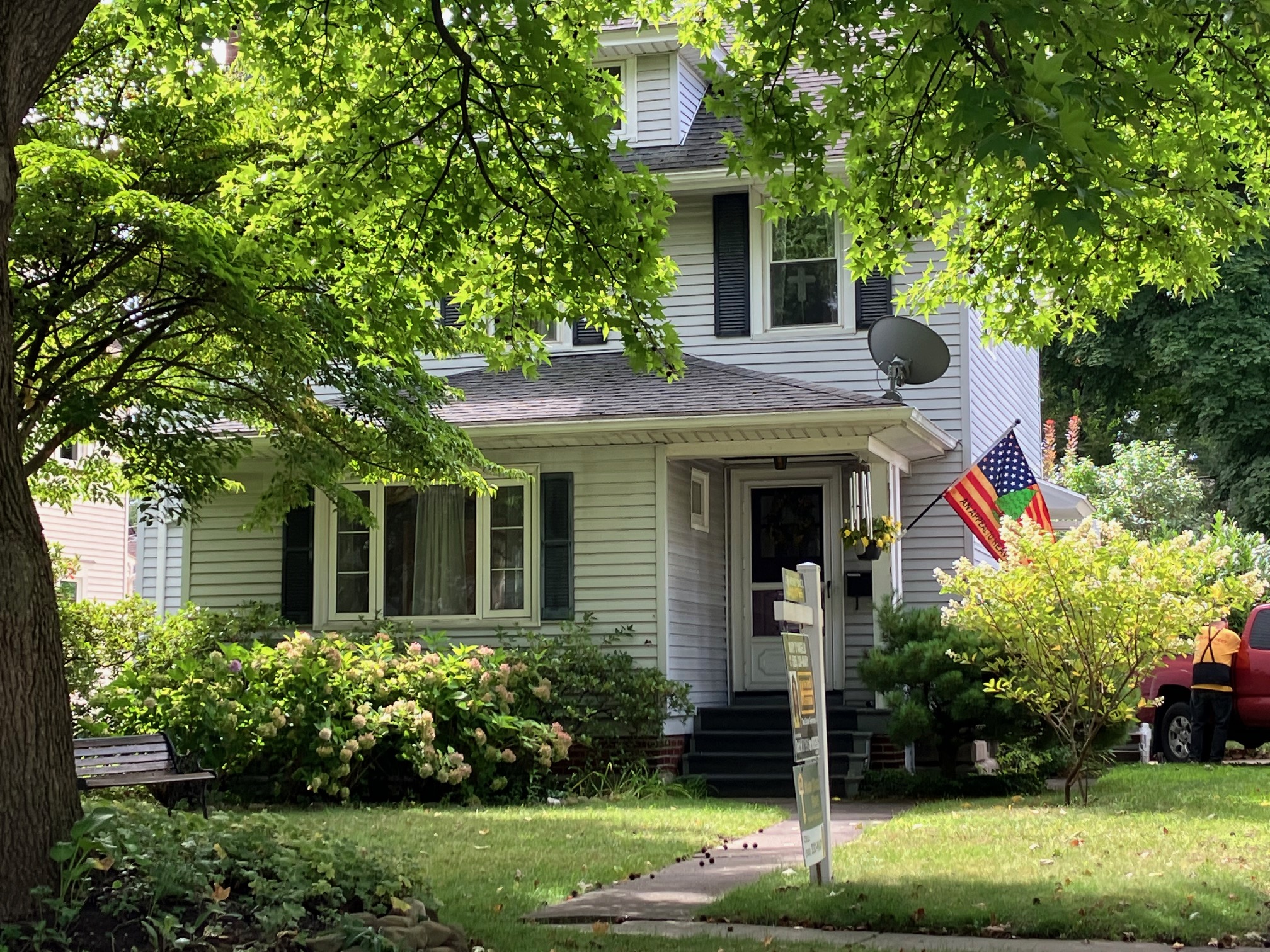
Florida’s home insurance market has always been unpredictable, but recent reforms meant to stabilize the system appear to be repeating history rather than rewriting it. With insurers exiting, premiums rising, and new companies stepping in with questionable backgrounds, many homeowners and real estate professionals are once again navigating a landscape filled with uncertainty.
The latest developments trace back to Gov. Ron DeSantis’s 2022 legislative package—described by some as a seasonal gift to the insurance industry. Similar efforts followed Hurricane Andrew decades ago, and just like then, the result has been a wave of small, lightly capitalized insurers entering a market still trembling under the weight of catastrophic risk.
In 2023, Florida began aggressively depopulating Citizens Property Insurance Corporation, the state’s insurer of last resort. Citizens is required to shift policyholders to private carriers if the premium difference is within 20 percent. For many Floridians, this meant being moved into newer, more costly policies with companies that often lacked long-term financial strength.
According to the Insurance Fairness Project, some private insurers now assuming Citizens policies have ties to previous insolvencies. One notable example is Viceroy Preferred Insurance Company, sharing board members with Monarch National—an insurer fined $325,000 for mishandling hurricane claims and linked to the now‑insolvent FedNat Insurance.
“Many of the same conditions that left homeowners exposed in the last crisis are being reproduced.” — Insurance Fairness Project
Checkered Pasts and Rating Gaps
While many new insurers have been approved to take on Citizens’ policies, several carry histories of claim denials or financial instability. Some, like Patriot Select (formerly Anchor Insurance), reentered the market after prior restructuring. Others, such as Apex, emerged from the remnants of insurers that failed in earlier decades.
Compounding the uncertainty is the influence of Demotech—Florida’s most widely used private ratings agency. Despite awarding many insurers “A” ratings, Demotech-rated companies have historically failed at much higher rates compared to major national agencies. Between 2017 and 2025, 17 insurers collapsed within a year of receiving top marks.
Homeowners Paying More for Less
New data from independent agency Weiss Ratings paints a troubling picture: 14 Florida insurers closed more than half of homeowner damage claims without payment in 2024. People’s Trust Insurance Company topped the list, denying an astonishing 75 percent of claims. Slide Insurance Company, another recent entrant, denied more than half—despite holding an “A” rating.
Slide’s leadership also raised eyebrows for multimillion-dollar executive payouts at a time when policyholders struggled. Their opulent lifestyle, including a 9,600-square-foot waterfront estate, has only intensified resentment.
Political Currents Beneath the Surface
Florida’s insurance industry has long been intertwined with state politics. Substantial donations from top executives to political committees and allegations of regulators softening findings on insurer profitability continue to raise questions about oversight and public protection.
Climate finance strategist Jordan Haedtler argues that fragmented oversight across various agencies only deepens the crisis. His team proposes consolidating insurance regulation, disaster recovery, land-use planning, and building codes into a single streamlined authority.
Calls for a True Overhaul
The Insurance Fairness Project asserts Florida must move “beyond cosmetic fixes.” Experts like Martin Weiss go further, suggesting the state may need to reconstruct its entire insurance system from scratch to restore stability and protect homeowners.
For real estate professionals, lenders, and homebuyers, insurance reforms—good or bad—shape the trajectory of Florida’s entire housing market. Understanding the shifting insurance landscape is now as essential as tracking inventory or interest rates.
That’s why institutions like Cameron Academy remain committed to helping professionals stay informed, licensed, and prepared. Whether you’re earning your first real estate certification or expanding your professional portfolio, staying educated is your strongest advantage in a rapidly evolving market.
Getting licensed or staying ahead in your career can be a journey—but it doesn’t have to be overwhelming. Grab your favorite coffee or tea, take a moment to relax, and browse through our articles. Whether you’re just starting out or renewing your expertise, we’ve got tips, insights, and advice to keep you moving forward. Here’s to your success—one sip and one step at a time!
The average 30-year mortgage rate slipped to 6.18% just before Christmas, offering a small break from last year’s higher levels. Yet despite the improvement, mortgage applications for purchases and refinances have fallen to a three‑month low as buyers remain cautious. With mixed rate movements, fluctuating Treasury yields, and affordability challenges still weighing on first‑time buyers, the market is showing signs of stability but not momentum. Real estate professionals who stay informed on these shifting conditions will be best positioned to guide clients in 2026.
New CoStar data shows a widening split in the U.S. commercial real estate market, with high-value office towers, industrial hubs and major retail assets posting steady gains while smaller properties in secondary markets continue to lose ground. Premium assets logged their sixth straight monthly price increase in November, boosted by falling interest rates and limited new construction, while lower‑tier properties saw continued price declines and weakening demand.
Microsoft has eliminated long‑standing volume discounts on cloud services like Microsoft 365, Power BI, Intune and Defender, meaning healthcare organizations will soon pay the same price per seat whether they purchase 100 or 10,000 licenses. With the change taking effect at renewal, hospitals and health systems must begin auditing unused licenses, right‑sizing staff tiers, and re‑evaluating digital workflows to avoid major cost spikes. CDW is stepping in with advisory support, cost‑optimization tools, and flexible CSP options to help organizations navigate the transition before budgets tighten further.
America is still short nearly 2.8 million homes, and in 2026 the states driving the bulk of new construction are once again Florida and Texas. With the South producing more than half of all new building permits nationwide, these regions are shaping the future of inventory, affordability, and opportunity. For real estate, mortgage, insurance, and finance professionals, the surge in Southern homebuilding—especially in Florida—signals expanding career potential as new inventory enters the market and demand for licensed experts continues to rise.
A new Redfin report crowns Irondequoit, New York as the nation’s most competitive housing market, with homes selling in just 8.5 days and often above asking. Priced at a median of $249,132, the lakeside suburb is drawing buyers seeking affordability and speed. The surprising lineup of competing markets—from Bay Area tech hubs to Rust Belt metros—highlights a shifting post‑pandemic housing landscape where affordability pressures and regional disparities continue to shape buyer behavior.
Alaska has overhauled its Third Party Administrator licensing rules, eliminating major long‑standing exemptions and pulling many previously exempt organizations into full licensing requirements starting January 1, 2026. Under Senate Bill 132 and Bulletin B 25‑09, TPAs must now review their operations, prepare documentation, and monitor upcoming state guidance as Alaska moves toward stricter oversight and stronger consumer protection.