New Reforms, Old Problems: Florida’s Insurance Market Still on Shaky Ground
Florida’s home insurance market has always been unpredictable, but recent reforms meant to stabilize the system appear to be repeating history rather than rewriting it. With insurers exiting, premiums rising, and new companies stepping in with questionable backgrounds, many homeowners and real estate professionals are once again navigating a landscape filled with uncertainty.
The latest developments trace back to Gov. Ron DeSantis’s 2022 legislative package—described by some as a seasonal gift to the insurance industry. Similar efforts followed Hurricane Andrew decades ago, and just like then, the result has been a wave of small, lightly capitalized insurers entering a market still trembling under the weight of catastrophic risk.
In 2023, Florida began aggressively depopulating Citizens Property Insurance Corporation, the state’s insurer of last resort. Citizens is required to shift policyholders to private carriers if the premium difference is within 20 percent. For many Floridians, this meant being moved into newer, more costly policies with companies that often lacked long-term financial strength.
According to the Insurance Fairness Project, some private insurers now assuming Citizens policies have ties to previous insolvencies. One notable example is Viceroy Preferred Insurance Company, sharing board members with Monarch National—an insurer fined $325,000 for mishandling hurricane claims and linked to the now‑insolvent FedNat Insurance.
“Many of the same conditions that left homeowners exposed in the last crisis are being reproduced.” — Insurance Fairness Project
Checkered Pasts and Rating Gaps
While many new insurers have been approved to take on Citizens’ policies, several carry histories of claim denials or financial instability. Some, like Patriot Select (formerly Anchor Insurance), reentered the market after prior restructuring. Others, such as Apex, emerged from the remnants of insurers that failed in earlier decades.
Compounding the uncertainty is the influence of Demotech—Florida’s most widely used private ratings agency. Despite awarding many insurers “A” ratings, Demotech-rated companies have historically failed at much higher rates compared to major national agencies. Between 2017 and 2025, 17 insurers collapsed within a year of receiving top marks.
Homeowners Paying More for Less
New data from independent agency Weiss Ratings paints a troubling picture: 14 Florida insurers closed more than half of homeowner damage claims without payment in 2024. People’s Trust Insurance Company topped the list, denying an astonishing 75 percent of claims. Slide Insurance Company, another recent entrant, denied more than half—despite holding an “A” rating.
Slide’s leadership also raised eyebrows for multimillion-dollar executive payouts at a time when policyholders struggled. Their opulent lifestyle, including a 9,600-square-foot waterfront estate, has only intensified resentment.
Political Currents Beneath the Surface
Florida’s insurance industry has long been intertwined with state politics. Substantial donations from top executives to political committees and allegations of regulators softening findings on insurer profitability continue to raise questions about oversight and public protection.
Climate finance strategist Jordan Haedtler argues that fragmented oversight across various agencies only deepens the crisis. His team proposes consolidating insurance regulation, disaster recovery, land-use planning, and building codes into a single streamlined authority.
Calls for a True Overhaul
The Insurance Fairness Project asserts Florida must move “beyond cosmetic fixes.” Experts like Martin Weiss go further, suggesting the state may need to reconstruct its entire insurance system from scratch to restore stability and protect homeowners.
For real estate professionals, lenders, and homebuyers, insurance reforms—good or bad—shape the trajectory of Florida’s entire housing market. Understanding the shifting insurance landscape is now as essential as tracking inventory or interest rates.
That’s why institutions like Cameron Academy remain committed to helping professionals stay informed, licensed, and prepared. Whether you’re earning your first real estate certification or expanding your professional portfolio, staying educated is your strongest advantage in a rapidly evolving market.
Getting licensed or staying ahead in your career can be a journey—but it doesn’t have to be overwhelming. Grab your favorite coffee or tea, take a moment to relax, and browse through our articles. Whether you’re just starting out or renewing your expertise, we’ve got tips, insights, and advice to keep you moving forward. Here’s to your success—one sip and one step at a time!
Florida now holds the highest foreclosure rate in the country, and Tampa sits at the center of the surge. With one in every 1,373 homes facing foreclosure, skyrocketing insurance premiums, rising housing costs and reduced equity are pushing many homeowners—especially those who purchased between 2020 and 2023—into financial distress. While some experts view the spike as a market “normalization,” professionals in real estate and finance are watching closely as Tampa’s backlog clears and pressure continues to build across the state.
Two former 3M campuses in Northwest Austin are set for a dramatic rebirth as Karlin Real Estate pushes forward with plans for Highpoint 2222 and the Duval site. The vision includes office and lab space, up to 65,000 square feet of retail, more than 1,200 multifamily homes, and new green space. With over 500 residents weighing in through the 2222 Coalition of Neighborhood Associations, traffic, density, and environmental protections are shaping the final blueprint. As office demand cools, mixed‑use development is becoming the new normal—positioning this corridor for one of the biggest transformations Austin has seen in years.
Despite constant headlines about a “housing crisis,” many economists and industry professionals argue the reality is more nuanced. In many regions, the issue isn’t a lack of homes but a mismatch between what’s available and what buyers want or can afford. As demographic shifts and remote work reshape demand, the market is evolving—not collapsing—creating opportunities for real estate, mortgage, insurance, and finance professionals who understand the difference between perception and reality.
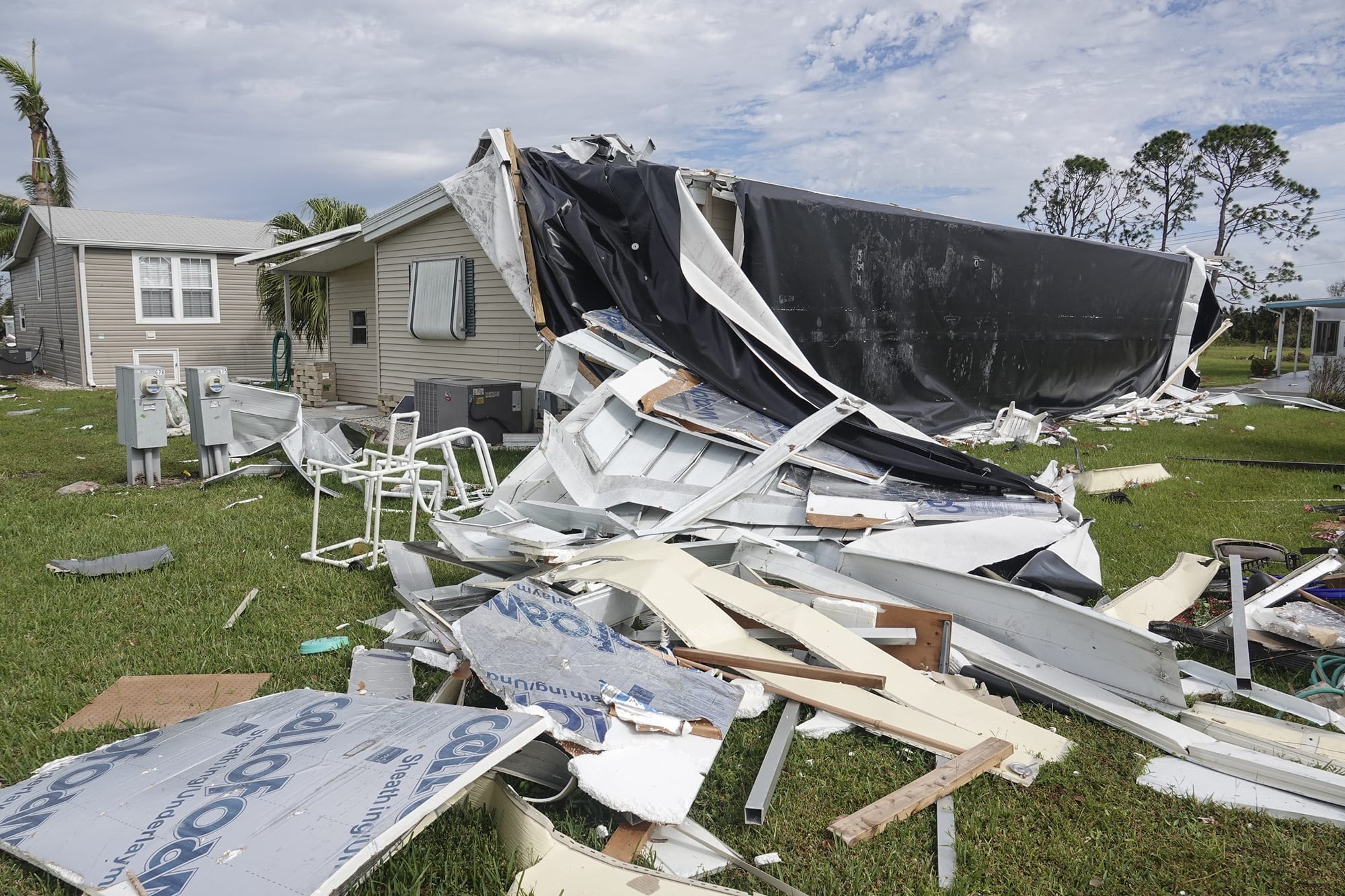
Hurricane Ian’s aftermath has exposed a growing affordability crisis across Southwest Florida. Skyrocketing insurance premiums, soaring construction costs, and rapid gentrification are making it harder for long‑time residents and middle‑class families to stay in their communities. From Fort Myers Beach to inland neighborhoods, homeowners, renters, and small businesses are feeling the pressure as rising costs reshape the region’s housing market and push many to reconsider their future in the state.
Florida’s home insurance market is facing its biggest credibility crisis in years. Despite major reforms meant to stabilize the system, homeowners are being pushed from Citizens into higher‑priced private insurers, many tied to companies that previously collapsed. Questionable financial ratings, high claim‑denial rates, and luxury‑level executive payouts are raising red flags across the state. For real estate and insurance professionals, this unstable landscape is reshaping home affordability, buyer confidence, and long‑term risk in Florida’s property market.
A new Michigan House bill aims to let licensed professionals complete all continuing education requirements online, offering greater flexibility for workers juggling rural travel, multiple jobs, or family demands. Supporters say the reform maintains high professional standards while removing unnecessary barriers, with regulators backing the shift and in‑person options remaining available.