Florida’s Insurance Market Shows New Strength in 2026 — What It Means for Homeowners and Real Estate Pros
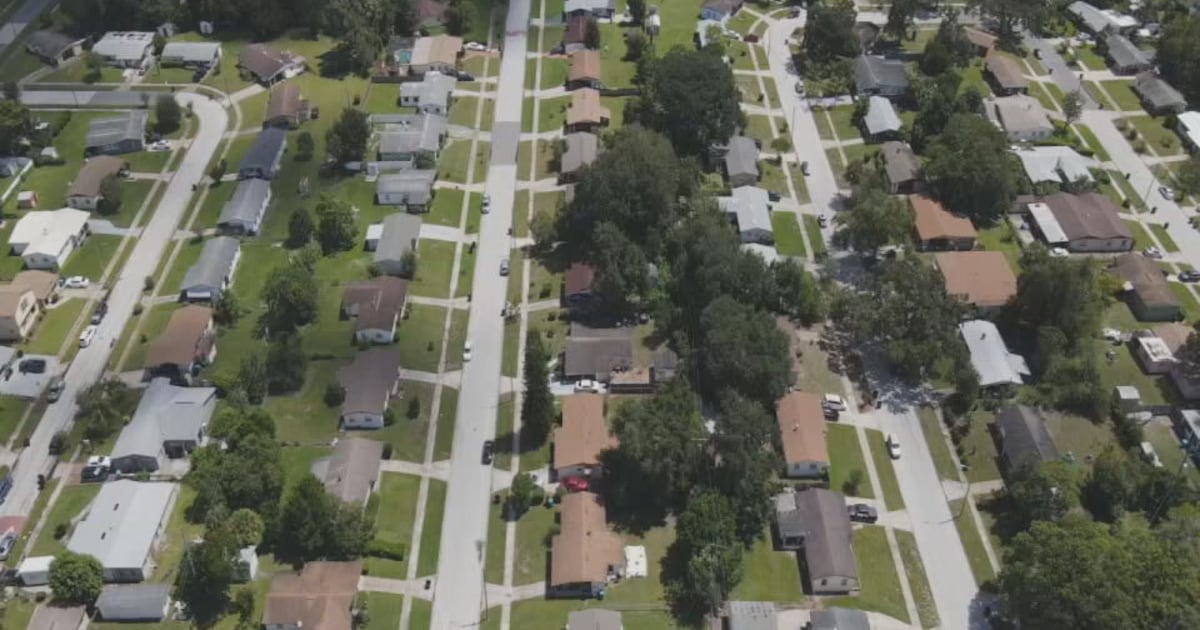
Florida’s home insurance landscape is stepping into 2026 with something residents and professionals haven’t heard in quite a while: good news. According to industry leaders and state officials, recent reforms have finally begun producing meaningful stability — and even optimism — across the market.
A Market That’s “More Positive Than Imagined”
In a recent discussion with WPTV, Stacey Giulianti, Chief Legal Officer of
Windward Risk Managers, described this moment as unprecedentedly encouraging.
“To be honest with you, I don’t think any of it is hype,” Giulianti shared from the company’s headquarters in Boca Raton. “I think it’s probably more positive than we ever could have imagined.”
Windward Risk Managers — parent company of Florida Peninsula, Edison, and Ovation — is among the firms experiencing newfound stability following major litigation reforms passed three years ago. These reforms have drastically reduced lawsuit volume, long recognized as one of Florida’s biggest insurance stressors.
Rate Reductions and Competitive Pressure
After years of steep premium increases, companies are now holding rates steady and, in some cases, filing for actual reductions. One headline example: Florida Peninsula Insurance was
singled out by Gov. Ron DeSantis
for an average statewide decrease of 8.2%.
Florida Insurance Commissioner Michael Yaworsky also noted that 17 new companies have entered the state’s market — a major signal that investor confidence is returning and solvency levels are stronger than at any point in the past decade.
“We are the strongest from a solvency-capitalization perspective that we’ve been in well over a decade,” Yaworsky told WPTV.
What This Means for Real Estate and Insurance Professionals
For agents, brokers, mortgage loan officers, and seasoned investors, improved insurance stability directly impacts buyer confidence, closing timelines, and long-term demand — especially in a complex state like Florida.
With premiums potentially leveling off, more competitive offerings entering the market, and claims pressures decreasing, Florida’s insurance sector is regaining a sense of predictability. That’s welcome news for professionals navigating an already dynamic real estate environment.
Professionals hoping to stay ahead of these shifts — whether in real estate, insurance adjusting, or related fields — benefit from maintaining strong industry education.
If you’re expanding your professional licensing or beginning a new career path, Cameron Academy continues to support students across Florida and all 50 states with modern, accessible, career-focused training programs.
Has Your Insurance Bill Dropped?
WPTV wants to hear from Florida homeowners navigating these changes firsthand.
If you’ve seen a rate reduction — or if you haven’t — share your experience by emailing reporter Matt Sczesny at
[email protected].
As Florida continues its journey toward a more stable insurance ecosystem, staying informed is essential — and the industry’s latest moves suggest a more balanced future may finally be taking shape.
Content inspired by reporting from WPTV News Channel 5 West Palm. Copyright 2026 Scripps Media, Inc. All rights reserved.
More Articles
Getting licensed or staying ahead in your career can be a journey—but it doesn’t have to be overwhelming. Grab your favorite coffee or tea, take a moment to relax, and browse through our articles. Whether you’re just starting out or renewing your expertise, we’ve got tips, insights, and advice to keep you moving forward. Here’s to your success—one sip and one step at a time!
After years of soaring premiums and insurer instability, Florida’s property insurance market is finally turning a corner. Major carriers have filed 83 requests for rate decreases heading into 2026, with companies like Florida Peninsula and Patriot Select proposing cuts of 8.4% and 11.3%. Some homeowners may see relief as early as next month, signaling a long‑awaited shift toward market stability.
Fix-and-flip investing is gearing up for one of its strongest years in a decade as 2026 approaches. With cheaper capital, more accessible funding, easing interest rates, and long-awaited increases in housing inventory, investors are finding the perfect environment to launch or scale renovation-based real estate businesses. Renovation continues to outpace new construction in cost and speed, and demand for move-in-ready homes remains high, making 2026 a powerful opportunity window for both new and experienced investors.
After a short-lived period of relief in 2025, the U.S. rental market may be headed for a tighter, more expensive 2026. With construction starts dropping nearly 11% and completions plunging 42%, the surge of new apartments that helped lower rents is rapidly drying up. Rising costs, shrinking inventory, and a slowdown in new development point to a potential rental crunch that could leave renters facing heavier competition and higher prices across major markets next year.
The commercial real estate market is entering a rare reset that experts say mirrors the post‑2008 boom, creating a potential window for disciplined investors. With trillions in commercial debt coming due and property values dropping up to 40%, firms like AARE are positioning themselves to acquire assets below replacement cost—an advantage that could set the stage for significant long‑term growth.
Commercial real estate is entering a reinvention phase, with AI‑driven productivity, modernized office demand, experience‑focused retail, expanding industrial logistics, creative housing solutions, and sustainability‑centered design all accelerating nationwide. These six forces are shaping how investors, brokers, and future licensees will operate in a rapidly evolving U.S. market.
After years of economic uncertainty and cautious decision‑making, 2026 is shaping up to be the year professionals finally catch a break. AI is moving from buzzword to essential tool, capital markets are beginning to thaw, and hiring is picking up across real estate, mortgage, insurance, finance, and healthcare. With opportunity returning, many professionals are using this moment to upskill—pursuing new licenses, certifications, and cross‑industry expertise.