Florida’s Insurance Market Finds Its Footing as Reforms Take Hold
At the 2025 Florida Chamber Insurance Summit, Insurance Commissioner Mike Yaworsky delivered a message many Florida homeowners and professionals have been waiting years to hear: the state’s insurance market has finally stabilized.
Speaking before industry leaders, legislators, and risk experts, Yaworsky emphasized the impact of sweeping tort and insurance reforms enacted in 2022 and 2023. These reforms, aimed at curbing excessive litigation and attracting new private carriers, appear to have successfully reversed the market’s downward spiral.
A Decade of Challenges, Turning Points, and Course Corrections
Yaworsky walked the audience through a sobering timeline. Reports from 2016 onward signaled deep structural issues in Florida’s insurance environment—abuse of assignment-of-benefits agreements, inflated claims, and unchecked litigation patterns. By 2021, the market was described as “on the brink of collapse,” with insurers fleeing and reinsurers unwilling to write new business.
But as Yaworsky reminded the crowd, the Legislature’s actions in 2022 and 2023 changed the trajectory. Florida targeted one-way attorney fees, claim inflation tactics, and other long-standing pain points, effectively stopping the bleeding. Since then, new P&C carriers and reinsurers have entered the market, and property claim litigation has dropped back to pre‑2019 levels.
“We Can Show Unequivocally That This Marketplace Has Stabilized”
By the end of 2025, the results are evident. Yaworsky celebrated the progress, noting that consumers now have more options than they’ve seen in decades, and carriers are better capitalized and better positioned for Florida’s uniquely high‑risk environment.
He warned, however, against undoing the reforms: “Any turn back on the reforms would be the equivalent of adding a multi‑billion‑dollar tax on the back of Floridians.”
What This Means for Florida’s Insurance and Real Estate Professionals
For professionals in insurance, real estate, and financial services, a stable insurance market translates into greater consumer confidence, more housing mobility, and a stronger foundation for long‑term economic growth. As the state prepares for future storm seasons and continued population expansion, an educated and adaptable workforce is more important than ever.
Schools like Cameron Academy continue to support both new and seasoned professionals across Florida and the nation, offering licensing and continuing education that keeps the industry prepared for regulatory and market shifts like the ones highlighted at the Summit.
Tap here to explore insurance licensing courses and career‑advancing programs at Cameron Academy.
More Articles
Getting licensed or staying ahead in your career can be a journey—but it doesn’t have to be overwhelming. Grab your favorite coffee or tea, take a moment to relax, and browse through our articles. Whether you’re just starting out or renewing your expertise, we’ve got tips, insights, and advice to keep you moving forward. Here’s to your success—one sip and one step at a time!
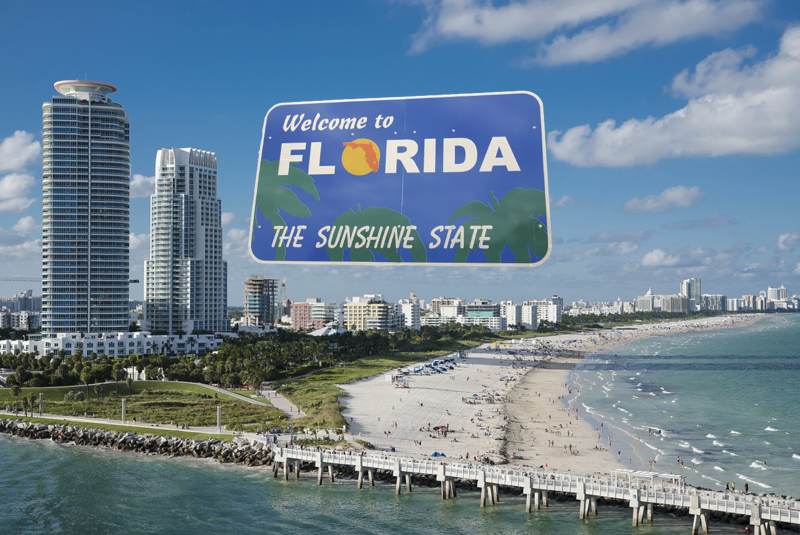
Florida’s home insurance market is experiencing a wave of optimism as recent litigation reforms lead to fewer lawsuits, stronger insurer stability, and even rate reductions. With companies like Florida Peninsula lowering premiums and 17 new insurers entering the state, real estate, mortgage, and insurance professionals can expect smoother transactions, increased buyer confidence, and a more competitive market environment in the year ahead.
Mortgage rates have dipped to levels not seen since 2022, with the 30‑year fixed averaging just 6.361% and Freddie Mac reporting an even lower 6.06%. The drop is reshaping buyer affordability, sparking renewed market activity, and creating fresh opportunities for real estate professionals—especially in fast‑moving markets like Florida.
The 2026 housing market is shaping up to be one of the most pivotal in years, with mortgage rates showing slight relief, affordability shifting toward the Midwest and South, and buyers turning to options like ARMs and new‑construction homes. Early signals point to new opportunities for buyers, investors, and real‑estate professionals—especially those ready to navigate a market defined by moderate rate drops, regional affordability gaps, and builder‑driven incentives.
Ares Commercial Real Estate CEO Bryan Donohoe sold US$107k in shares this week, trimming his stake by 13% and adding to a pattern of insider selling with no insider purchases in the past 12 months. With insider ownership sitting at a modest 1.6%, the activity signals a cautious tone inside the company—something real estate, mortgage, and finance professionals may want to watch as they assess broader market confidence.
Florida’s 2026 legislative session is officially underway, launching a wave of high‑impact bills targeting property insurance reform, a proposal to eliminate property taxes, new education attendance requirements, and even an AI Bill of Rights. With over a hundred bills already filed, real estate agents, investors, insurers, educators, and other licensed professionals can expect significant regulatory shifts that may reshape Florida’s housing market, insurance costs, and professional compliance standards.
Warren Buffett’s timeless investing wisdom is more relevant than ever in 2026. Despite decades of market change, his core lesson remains the same: long‑term conviction outperforms short‑term prediction. From embracing occasional underperformance to avoiding emotional decisions, Buffett’s philosophy highlights why deep understanding and steady confidence are more valuable than trying to forecast market swings. This mindset isn’t just for investors—it’s a guiding principle for professionals looking to grow their careers with clarity and purpose.