Florida’s Insurance Market Finds Its Footing as Reforms Take Hold
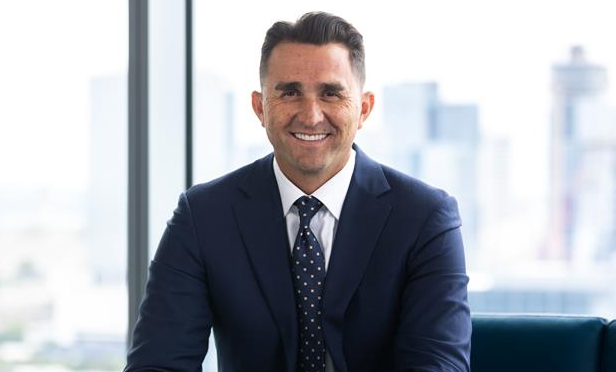
At the 2025 Florida Chamber Insurance Summit, Insurance Commissioner Mike Yaworsky delivered a message many Florida homeowners and professionals have been waiting years to hear: the state’s insurance market has finally stabilized.
Speaking before industry leaders, legislators, and risk experts, Yaworsky emphasized the impact of sweeping tort and insurance reforms enacted in 2022 and 2023. These reforms, aimed at curbing excessive litigation and attracting new private carriers, appear to have successfully reversed the market’s downward spiral.
A Decade of Challenges, Turning Points, and Course Corrections
Yaworsky walked the audience through a sobering timeline. Reports from 2016 onward signaled deep structural issues in Florida’s insurance environment—abuse of assignment-of-benefits agreements, inflated claims, and unchecked litigation patterns. By 2021, the market was described as “on the brink of collapse,” with insurers fleeing and reinsurers unwilling to write new business.
But as Yaworsky reminded the crowd, the Legislature’s actions in 2022 and 2023 changed the trajectory. Florida targeted one-way attorney fees, claim inflation tactics, and other long-standing pain points, effectively stopping the bleeding. Since then, new P&C carriers and reinsurers have entered the market, and property claim litigation has dropped back to pre‑2019 levels.
“We Can Show Unequivocally That This Marketplace Has Stabilized”
By the end of 2025, the results are evident. Yaworsky celebrated the progress, noting that consumers now have more options than they’ve seen in decades, and carriers are better capitalized and better positioned for Florida’s uniquely high‑risk environment.
He warned, however, against undoing the reforms: “Any turn back on the reforms would be the equivalent of adding a multi‑billion‑dollar tax on the back of Floridians.”
What This Means for Florida’s Insurance and Real Estate Professionals
For professionals in insurance, real estate, and financial services, a stable insurance market translates into greater consumer confidence, more housing mobility, and a stronger foundation for long‑term economic growth. As the state prepares for future storm seasons and continued population expansion, an educated and adaptable workforce is more important than ever.
Schools like Cameron Academy continue to support both new and seasoned professionals across Florida and the nation, offering licensing and continuing education that keeps the industry prepared for regulatory and market shifts like the ones highlighted at the Summit.
Tap here to explore insurance licensing courses and career‑advancing programs at Cameron Academy.
More Articles
Getting licensed or staying ahead in your career can be a journey—but it doesn’t have to be overwhelming. Grab your favorite coffee or tea, take a moment to relax, and browse through our articles. Whether you’re just starting out or renewing your expertise, we’ve got tips, insights, and advice to keep you moving forward. Here’s to your success—one sip and one step at a time!
After years of soaring premiums and insurer instability, Florida’s property insurance market is finally turning a corner. Major carriers have filed 83 requests for rate decreases heading into 2026, with companies like Florida Peninsula and Patriot Select proposing cuts of 8.4% and 11.3%. Some homeowners may see relief as early as next month, signaling a long‑awaited shift toward market stability.
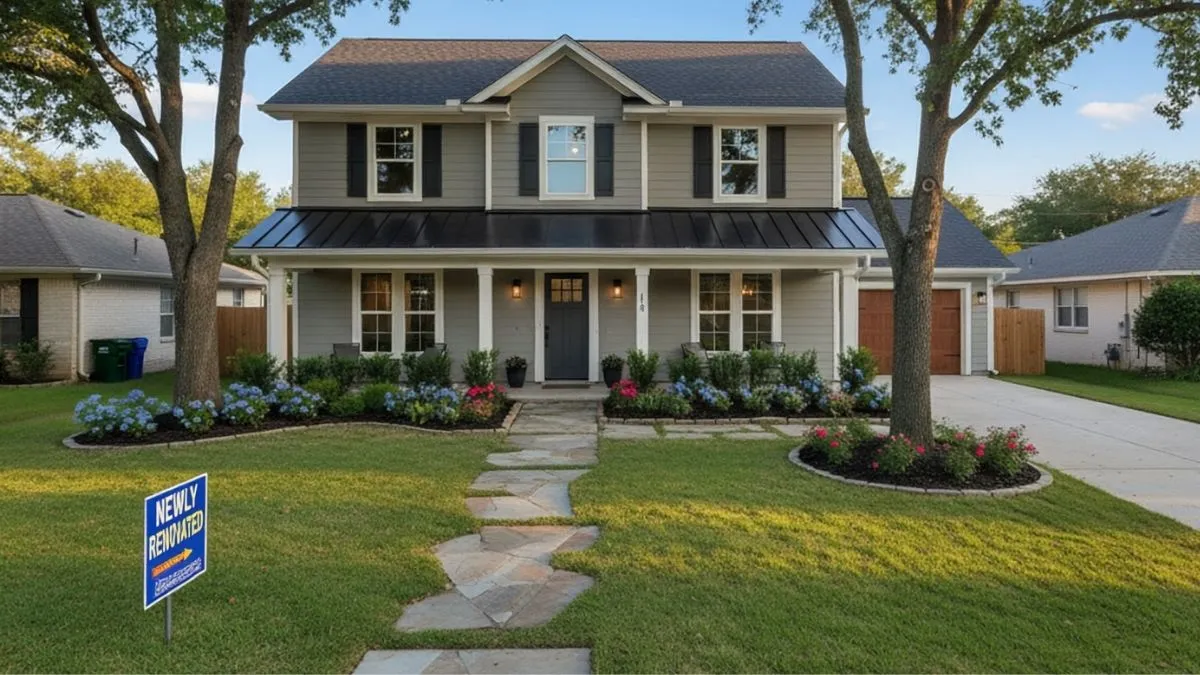
Fix-and-flip investing is gearing up for one of its strongest years in a decade as 2026 approaches. With cheaper capital, more accessible funding, easing interest rates, and long-awaited increases in housing inventory, investors are finding the perfect environment to launch or scale renovation-based real estate businesses. Renovation continues to outpace new construction in cost and speed, and demand for move-in-ready homes remains high, making 2026 a powerful opportunity window for both new and experienced investors.
After a short-lived period of relief in 2025, the U.S. rental market may be headed for a tighter, more expensive 2026. With construction starts dropping nearly 11% and completions plunging 42%, the surge of new apartments that helped lower rents is rapidly drying up. Rising costs, shrinking inventory, and a slowdown in new development point to a potential rental crunch that could leave renters facing heavier competition and higher prices across major markets next year.
The commercial real estate market is entering a rare reset that experts say mirrors the post‑2008 boom, creating a potential window for disciplined investors. With trillions in commercial debt coming due and property values dropping up to 40%, firms like AARE are positioning themselves to acquire assets below replacement cost—an advantage that could set the stage for significant long‑term growth.
Commercial real estate is entering a reinvention phase, with AI‑driven productivity, modernized office demand, experience‑focused retail, expanding industrial logistics, creative housing solutions, and sustainability‑centered design all accelerating nationwide. These six forces are shaping how investors, brokers, and future licensees will operate in a rapidly evolving U.S. market.
After years of economic uncertainty and cautious decision‑making, 2026 is shaping up to be the year professionals finally catch a break. AI is moving from buzzword to essential tool, capital markets are beginning to thaw, and hiring is picking up across real estate, mortgage, insurance, finance, and healthcare. With opportunity returning, many professionals are using this moment to upskill—pursuing new licenses, certifications, and cross‑industry expertise.