Florida’s Insurance Shake-Up: New Rules, Old Problems, and a Market Still on the Brink
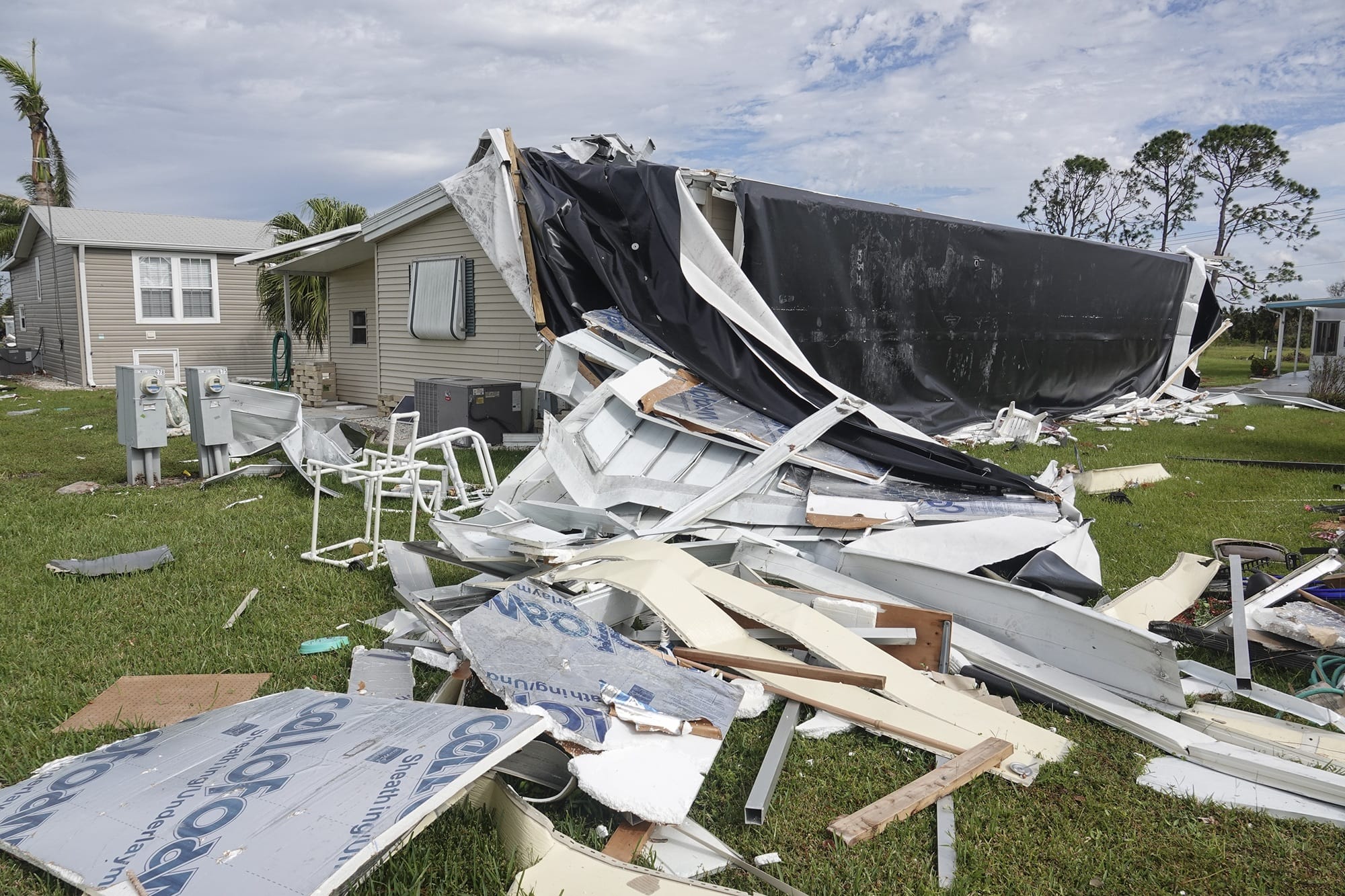
Storm-damaged florida home

Florida’s property insurance market has long been a case study in volatility, and the latest round of reforms is proving that not much has changed. Despite bold moves from state leadership in 2022 intended to stabilize the system, the Sunshine State finds itself facing familiar problems: insurer insolvencies, skyrocketing premiums, and an increasingly frustrated population of homeowners and real estate professionals.

This story, originally reported by The American Prospect, uncovers how Florida’s newest “market-friendly” reforms mirror the conditions that led to past crises—especially those following Hurricane Andrew in the 1990s.

Tap the link above to explore the original investigative article after your morning coffee. It’s a powerful read.

A Repeating History: Reforms That Rebuild the Same Weak Foundation

After Hurricane Ian, Florida legislators moved aggressively to depopulate Citizens Property Insurance Corporation—the state’s insurer of last resort. The idea was simple: push policyholders into the private market. In practice, the outcome has been costly.

More than 355,000 Floridians were forced out of Citizens and into private carriers, often with premiums up to 20 percent higher. And the insurers stepping in to “save the day”? Many have troubling histories.

The market-friendly reforms Gov. DeSantis passed in the wake of Hurricane Ian have failed to stabilize the state’s insurance market.

The Insurance Fairness Project found that several new carriers entering the market are linked to companies that previously went insolvent. Others have boards interlocked with insurers fined for mishandling claims.

The Surge of High-Risk Insurers

One of the most noteworthy new players, Viceroy Preferred Insurance Company, shares board members with Monarch National Insurance—an insurer fined $325,000 for improper claims handling. Monarch was previously tied to FedNat Insurance, which became the sixth insurer to collapse after Hurricane Ian.

Other newcomers, such as Patriot Select and Apex, also rose from the remnants of recently insolvent companies. It’s a revolving door the industry knows all too well, and Florida’s regulators continue approving these restructured insurers.

Ratings Agencies Under Scrutiny

Another issue sits quietly beneath the surface: insurer ratings. Most of the new Florida carriers boast glowing grades from Demotech, a private ratings agency whose business model is based on payments from insurers themselves.

Weiss Ratings—an independent agency that refuses insurer payments—tells a different story. According to Weiss, 14 Florida insurers closed more than half of homeowners’ claims with zero payout in 2024.

Slide Insurance, a rising player praised by Demotech, denied over half of homeowners’ claims last year. Demotech rated Slide an “A.” Weiss rated it a “C-.” The gap speaks for itself.

Big Profits for Executives, Bigger Pain for Homeowners

Behind the scenes, some insurer executives are doing exceptionally well financially. Slide’s CEO Bruce Lucas and COO Shannon Lucas were highlighted for receiving tens of millions in compensation while operating from a 9,600-square-foot waterfront home featured by Tampa Magazine.

They also contributed over $26,000 to political committees supporting Gov. Ron DeSantis and other Florida leaders. Critics argue Florida’s insurance crisis is tangled in long-standing political coziness between the industry and state leadership.

Regulators Under Fire

A Tampa Bay Times investigation revealed that the Office of Insurance Regulation may have suppressed a report showing insurers were posting losses while funneling profits to affiliates and investors.

Experts say these structural issues span multiple agencies—land use, building codes, disaster relief, and more—and need unified oversight to stabilize the market long-term.

What This Means for Real Estate and Insurance Professionals

For real estate agents, mortgage professionals, and insurance specialists, the takeaway is clear: Florida’s insurance landscape affects everything—from loan approvals to closings to long-term property values. Professionals must stay informed as regulatory shifts continue throughout 2025 and beyond.

If you’re expanding your career in insurance or real estate, understanding these trends isn’t just helpful—it’s essential. At Cameron Academy, we see firsthand how regulation and market volatility shape the licensing landscape. Whether you’re pursuing a real estate license, an insurance designation, or a continuing education credit, staying ahead of the market empowers your professional growth.

The Call for Reform

The Insurance Fairness Project is urging Florida lawmakers to move past “cosmetic fixes.” They want transparent financial ratings, stronger accountability, and a full rethinking of how the insurance system is structured.

As Weiss put it: “We effectively have to build the market from scratch.”

Want to explore more investigative work on Florida’s insurance system? Visit the full report at The American Prospect for in-depth analysis.


More Articles

Getting licensed or staying ahead in your career can be a journey—but it doesn’t have to be overwhelming. Grab your favorite coffee or tea, take a moment to relax, and browse through our articles. Whether you’re just starting out or renewing your expertise, we’ve got tips, insights, and advice to keep you moving forward. Here’s to your success—one sip and one step at a time!

Alliance Formed by Four Major MLSs in the Southeast

Four of the largest Multiple Listing Services (MLSs) in the Southeast have recently formed an alliance, establishing a data sharing network aimed at increasing referral business among real estate agents. The Charleston Regional MLS in South Carolina, Canopy MLS in North Carolina, Georgia MLS, and Realtracs, the largest MLS in Alabama, Kentucky, and Tennessee, have come together to create the Southeast MLS Alliance. This strategic partnership will enable members of these four MLSs to access over 85,000 listings across Alabama, Georgia, Kentucky, North Carolina, Tennessee, and South Carolina, providing real estate agents with valuable data and expanding their referral opportunities throughout the Southeast.

By |October 7, 2023|Categories: AI in Real Estate|Tags: |0 Comments

Family Support: A Solution to Surging Mortgage Rates

The current state of the mortgage market has presented prospective homebuyers with a significant challenge – surging mortgage rates. These rates have reached a 20-year high, hovering around 7.7%, making it increasingly difficult for borrowers to secure affordable loans. As a result, borrowers are actively seeking support from their family members to overcome this hurdle. To combat the impact of surging mortgage rates, borrowers are turning to their parents for financial assistance. This can take the form of gifted funds or by having parents become non-occupant co-borrowers. By involving family members in the mortgage process, borrowers can increase their chances of securing loans and achieving their homeownership goals.

By |October 7, 2023|Categories: Mortgage Rates|Tags: |0 Comments

Allegations Against Keller Williams Withdrawn by Franchisee

In a surprising turn of events, Inga Dow, a prominent Keller Williams franchisee and CEO of multiple Texas-based Keller Williams offices, has withdrawn her sexual misconduct lawsuit against the real estate giant. While Dow's claims against Keller Williams and its co-founder, Gary Keller, have been dropped, the lawsuit against former CEO John Davis remains ongoing. The outcome of this legal battle is still uncertain, and further details may emerge as the case progresses. Stay informed with Cameron Academy's online courses tailored to your needs and goals in the real estate industry.

By |October 6, 2023|Categories: Real Estate Industry|Tags: |0 Comments

Remote Online Notarization (RON) Legislation: A New Era in California

The recent approval of Remote Online Notarization (RON) legislation in California is a significant development that Cameron Academy is thrilled to discuss. This progressive bill, signed into law by Governor Gavin Newsom, enables individuals to notarize their documents remotely using advanced audiovisual technology. The introduction of RON legislation in California brings about numerous advantages that revolutionize the notarization process. By embracing digital advancements, California is empowering individuals and businesses with enhanced convenience and accessibility, significant time and cost savings, improved security, and streamlined workflow.

The Hidden Realities of the Default and REO Industry Uncovered

"Even though mortgage origination volumes are down, we’re experiencing a highly competitive purchase market. That means a number of businesses, seeking to grow their revenue, will likely look to expand their reach to the default and REO space. However, venturing into this industry without proper knowledge and preparation can lead to serious consequences. By understanding the lessons learned from the past foreclosure wave and staying current with the changing environment, businesses can navigate the challenges and seize the opportunities presented by the default and REO market."

By |October 6, 2023|Categories: Default and REO Industry|Tags: |0 Comments

Legal Battle in Real Estate: NAR, Brokerages Allege Sitzer/Burnett Plaintiffs’ Attempt to Evade Cross Examination

In the ongoing legal battle involving the National Association of Realtors (NAR), Keller Williams, and HomeServices of America, a recent development has emerged. The plaintiffs in the lawsuit, known as the Sitzer/Burnett plaintiffs, have filed a notice to withdraw three named plaintiffs. This move is seen by the defendants as an attempt to avoid cross-examination. The lawsuit, initially filed in April 2019, challenges NAR's Participation Rule, which requires listing agents to offer compensation to buyers' agents in order to list a property on a Realtor-affiliated multiple listing service (MLS). The plaintiffs argue that this commission sharing inflates costs for consumers, in violation of the Sherman Antitrust Act. With the trial scheduled to start on October 16, the potential damages in this suit are estimated to be up to $4 billion.