Florida’s Insurance Shake-Up: New Rules, Old Problems, and a Market Still on the Brink
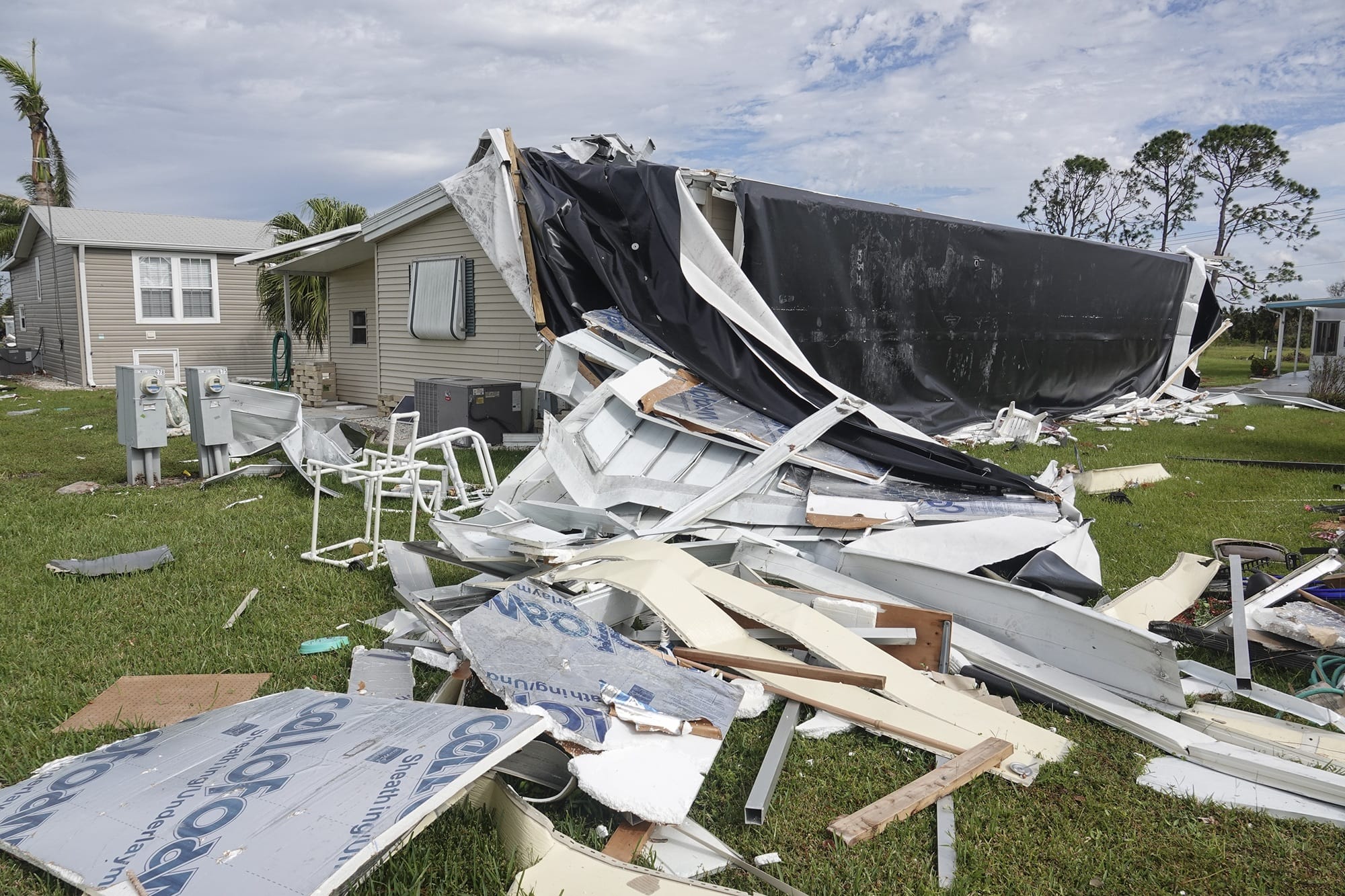
Florida’s property insurance market has long been a case study in volatility, and the latest round of reforms is proving that not much has changed. Despite bold moves from state leadership in 2022 intended to stabilize the system, the Sunshine State finds itself facing familiar problems: insurer insolvencies, skyrocketing premiums, and an increasingly frustrated population of homeowners and real estate professionals.
This story, originally reported by The American Prospect, uncovers how Florida’s newest “market-friendly” reforms mirror the conditions that led to past crises—especially those following Hurricane Andrew in the 1990s.
Tap the link above to explore the original investigative article after your morning coffee. It’s a powerful read.
A Repeating History: Reforms That Rebuild the Same Weak Foundation
After Hurricane Ian, Florida legislators moved aggressively to depopulate Citizens Property Insurance Corporation—the state’s insurer of last resort. The idea was simple: push policyholders into the private market. In practice, the outcome has been costly.
More than 355,000 Floridians were forced out of Citizens and into private carriers, often with premiums up to 20 percent higher. And the insurers stepping in to “save the day”? Many have troubling histories.
The market-friendly reforms Gov. DeSantis passed in the wake of Hurricane Ian have failed to stabilize the state’s insurance market.
The Insurance Fairness Project found that several new carriers entering the market are linked to companies that previously went insolvent. Others have boards interlocked with insurers fined for mishandling claims.
The Surge of High-Risk Insurers
One of the most noteworthy new players, Viceroy Preferred Insurance Company, shares board members with Monarch National Insurance—an insurer fined $325,000 for improper claims handling. Monarch was previously tied to FedNat Insurance, which became the sixth insurer to collapse after Hurricane Ian.
Other newcomers, such as Patriot Select and Apex, also rose from the remnants of recently insolvent companies. It’s a revolving door the industry knows all too well, and Florida’s regulators continue approving these restructured insurers.
Ratings Agencies Under Scrutiny
Another issue sits quietly beneath the surface: insurer ratings. Most of the new Florida carriers boast glowing grades from Demotech, a private ratings agency whose business model is based on payments from insurers themselves.
Weiss Ratings—an independent agency that refuses insurer payments—tells a different story. According to Weiss, 14 Florida insurers closed more than half of homeowners’ claims with zero payout in 2024.
Slide Insurance, a rising player praised by Demotech, denied over half of homeowners’ claims last year. Demotech rated Slide an “A.” Weiss rated it a “C-.” The gap speaks for itself.
Big Profits for Executives, Bigger Pain for Homeowners
Behind the scenes, some insurer executives are doing exceptionally well financially. Slide’s CEO Bruce Lucas and COO Shannon Lucas were highlighted for receiving tens of millions in compensation while operating from a 9,600-square-foot waterfront home featured by Tampa Magazine.
They also contributed over $26,000 to political committees supporting Gov. Ron DeSantis and other Florida leaders. Critics argue Florida’s insurance crisis is tangled in long-standing political coziness between the industry and state leadership.
Regulators Under Fire
A Tampa Bay Times investigation revealed that the Office of Insurance Regulation may have suppressed a report showing insurers were posting losses while funneling profits to affiliates and investors.
Experts say these structural issues span multiple agencies—land use, building codes, disaster relief, and more—and need unified oversight to stabilize the market long-term.
What This Means for Real Estate and Insurance Professionals
For real estate agents, mortgage professionals, and insurance specialists, the takeaway is clear: Florida’s insurance landscape affects everything—from loan approvals to closings to long-term property values. Professionals must stay informed as regulatory shifts continue throughout 2025 and beyond.
If you’re expanding your career in insurance or real estate, understanding these trends isn’t just helpful—it’s essential. At Cameron Academy, we see firsthand how regulation and market volatility shape the licensing landscape. Whether you’re pursuing a real estate license, an insurance designation, or a continuing education credit, staying ahead of the market empowers your professional growth.
The Call for Reform
The Insurance Fairness Project is urging Florida lawmakers to move past “cosmetic fixes.” They want transparent financial ratings, stronger accountability, and a full rethinking of how the insurance system is structured.
As Weiss put it: “We effectively have to build the market from scratch.”
Want to explore more investigative work on Florida’s insurance system? Visit the full report at The American Prospect for in-depth analysis.