Florida’s Insurance Market: A “Recovery” That Homeowners Aren’t Feeling

Florida neighborhood and rising insurance concerns

Florida’s insurance market has been hailed as a comeback story — but many residents would argue that the so‑called recovery feels more like smoke and mirrors. Despite new insurers entering the state and major legislative changes, the foundational issues that sparked Florida’s insurance turmoil haven’t disappeared — they’ve simply taken new forms.

According to a recent investigation from the Insurance Fairness Project, Florida’s post–Hurricane Ian rebuilding efforts have recreated some of the same vulnerabilities that crushed homeowners financially in past disasters.

The Price of Protection Is Climbing Fast

“Florida families are paying more than ever for property insurance,” said Kyle Herrig of Unlocking America’s Future. Premiums are up 54% since 2019 — the highest in the nation.

While homeowners face massive price hikes, many insurers are reporting record profits and even issuing multimillion‑dollar executive bonuses. Meanwhile, nearly one in five homeowners is resorting to going uninsured — a risky choice in one of the most hurricane‑prone regions in the country.

The result? Families across Florida are more financially exposed than ever.

New Companies, Old Problems

Despite attempts at major reform in 2022, the report concludes that the state never addressed the true root of the crisis: undercapitalized insurers, weak regulatory oversight, and a revolving door of industry insiders repackaging previously troubled companies.

The investigation also reveals that:

  • Several new insurers have direct ties to companies that previously failed or nearly collapsed.
  • Some insurers have closed more than half of damage claims without paying anything.
  • Four firms were recently fined $2 million for mishandling hurricane claims.

“Beneath the optimism lies a troubling reality,” the report warns. “Weak oversight and political coziness have turned the system into a revolving door for industry insiders.”

Shifting Risk — But Not Solving It

Part of Florida’s recovery strategy involves shifting policies away from Citizens Property Insurance and back into the private market. While this reduces Citizens’ exposure, the report argues it also clusters risk into smaller, financially fragile companies — a dangerous setup in a state where one storm can change everything overnight.

For homeowners, this can trigger sudden premium spikes, surprise nonrenewals, or slow and frustrating claims processes.

Florida Leads the Nation in Unpaid Claims

Weiss Ratings founder Martin Weiss highlights Florida’s troubling national rankings:

  • #1 in property claims closed without payment (40.3%)
  • #1 in policy nonrenewals (3.3%)
  • #4 in claims delayed over 60 days (32.8%)

For a state routinely battered by natural disasters, these numbers paint a sobering picture.

New Legislative Efforts Aim for Transparency

To address long‑standing concerns, Florida State Sen. Carlos Guillermo Smith introduced two new bills:

  • SB 234: Expands oversight of insurer finances, limits excessive management fees, and blocks executive bonuses for companies claiming financial hardship.
  • SB 230: Tightens definitions of “trade secrets,” ensuring more transparent financial disclosures.

Supporters believe these bills could help restore trust by forcing insurers to operate more transparently and responsibly.

Why This Matters for Real Estate and Insurance Professionals

Florida’s insurance landscape has direct and immediate consequences for the real estate industry. Higher premiums can eliminate buyer eligibility, derail closings, and reduce overall market confidence.

Professionals across real estate, mortgage, and insurance must stay ahead of these shifts to properly guide clients and safeguard transactions.

This is exactly why schools like Cameron Academy emphasize real‑world updates and market literacy in licensing and continuing‑education programs — because informed professionals build stronger, more resilient careers.

A Market “Recovery” That Still Needs Work

The Insurance Fairness Project concludes that Florida’s insurance recovery is fragile, incomplete, and in many ways misleading. Without stronger oversight and firmer accountability, homeowners may face soaring premiums without the peace of mind they’re paying for.

What’s clear is this: Florida’s insurance story is far from over. And every professional in real estate, lending, and insurance should be paying very close attention.

Original reporting courtesy of InsuranceNewsNet.

More Articles

Getting licensed or staying ahead in your career can be a journey—but it doesn’t have to be overwhelming. Grab your favorite coffee or tea, take a moment to relax, and browse through our articles. Whether you’re just starting out or renewing your expertise, we’ve got tips, insights, and advice to keep you moving forward. Here’s to your success—one sip and one step at a time!

Why Today’s High Mortgage Rates Matter More Than Ever for the Housing Market

A growing share of American homeowners now carry mortgage rates above 5%—a dramatic shift that’s reshaping refinancing, inventory, and buyer behavior nationwide. With more than 30% of borrowers locked into rates over 5% and 20% above 6%, the market is split between owners holding on to low pandemic‑era loans and new buyers taking on higher‑rate mortgages. Federal efforts to push rates down could unlock millions of refinancing opportunities, while buyers see only modest monthly savings. For real estate professionals, understanding these rate dynamics is crucial as they increasingly drive inventory levels, affordability, and market activity.

CRE Deal Volume Dips in December, but Office Sector Stages an Unexpected Comeback

New Moody’s data shows commercial real estate deal volume slipped 20% in December, marking a second monthly decline. Yet the full year tells a different story: 2025 ended with a 17% gain, signaling a quiet but resilient recovery. The biggest surprise came from the office sector, which posted a 21% jump in activity as return‑to‑office trends and AI‑driven job growth boosted demand. Multifamily, retail, and alternative assets like data centers also saw strong momentum, giving real estate professionals a market full of fresh opportunities heading into 2026.

Florida Kicks Off 2026 With Major Auto Insurance Rate Cuts and Market Stability

Florida drivers and industry professionals are heading into 2026 with good news: auto insurance rates are dropping across the state as the market shows strong signs of stabilization. USAA leads the latest wave with a 7% average rate decrease expected in May 2026, saving members more than $125 million annually. They join several major insurers — including State Farm, Progressive, AAA, Allstate, and Florida Farm Bureau — all approving significant reductions. Officials credit recent legislative reforms, especially tort reform, for the improved loss ratios and renewed insurer confidence. With both auto and home insurance markets strengthening, Florida’s real estate, mortgage, and insurance professionals can expect more consumer confidence, smoother transactions, and expanding career opportunities.

The 2024 Housing Shortage: Why America Is Still 1.2 Million Homes Behind

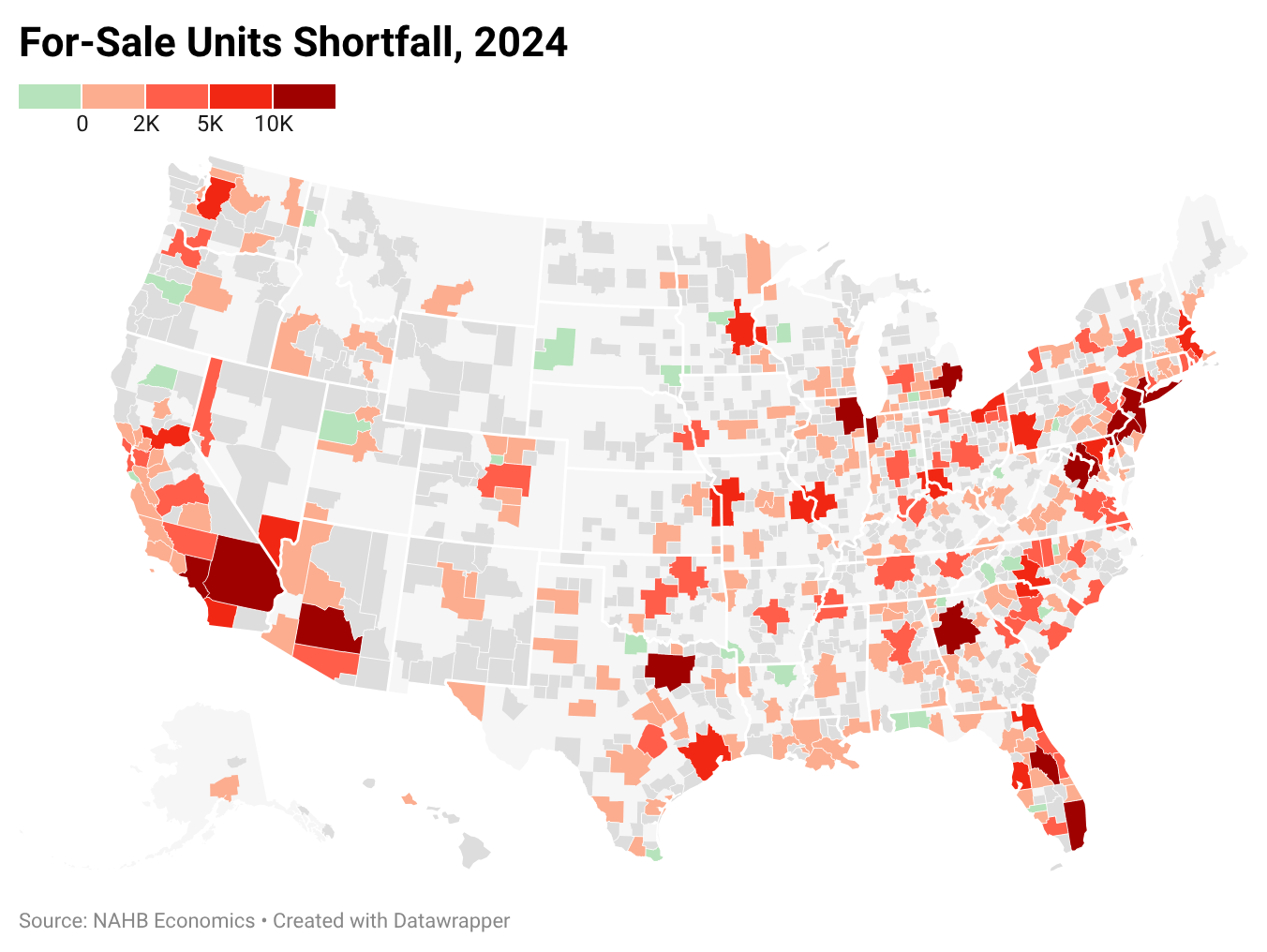
New data from Eye On Housing and the NAHB shows the U.S. remains short more than 1.2 million housing units, keeping pressure on both rents and home prices. Record‑low vacancy rates, slow single‑family construction, and restrictive zoning continue to fuel intense competition in 2024. Major metros like Chicago, New York, and Atlanta face some of the deepest deficits, and the true nationwide shortfall may be even higher when accounting for overcrowding and aging homes. For real estate professionals, the ongoing shortage means sustained demand, tighter inventory, and major opportunities for those who understand the evolving market.

AI Isn’t the Shiny Object Anymore — It’s the New System Driving Real Estate Success

Top real estate coach Jason Pantana says the divide between agents today isn’t about who has “tried” AI — it’s about who is immersed in it. In a new HousingWire interview, he explains why AI isn’t a gimmick but a full business system that amplifies output, improves authenticity, and reshapes how clients search for agents. From prompt mastery to AI‑driven visibility on Google, Pantana reveals how agents who commit even 15 minutes a day to learning AI are already outperforming those who hesitate.

DFW Commercial Real Estate 2025: Industrial Surges, Retail Shines, Office Struggles

Dallas–Fort Worth’s commercial real estate market closed 2025 with a split personality. Industrial dominated with massive new deliveries and soaring leasing demand, retail held steady with some of the market’s strongest fundamentals in years, and office continued to falter under remote‑work pressures. High vacancies, weak absorption, and rising demand for top‑tier space show the sector’s ongoing reset. Meanwhile, industrial and retail strength position the Metroplex for another powerhouse year heading into 2026.