Florida’s Insurance Market: A “Recovery” That Homeowners Aren’t Feeling

Florida’s insurance market has been hailed as a comeback story — but many residents would argue that the so‑called recovery feels more like smoke and mirrors. Despite new insurers entering the state and major legislative changes, the foundational issues that sparked Florida’s insurance turmoil haven’t disappeared — they’ve simply taken new forms.
According to a recent investigation from the Insurance Fairness Project, Florida’s post–Hurricane Ian rebuilding efforts have recreated some of the same vulnerabilities that crushed homeowners financially in past disasters.
The Price of Protection Is Climbing Fast
“Florida families are paying more than ever for property insurance,” said Kyle Herrig of Unlocking America’s Future. Premiums are up 54% since 2019 — the highest in the nation.
While homeowners face massive price hikes, many insurers are reporting record profits and even issuing multimillion‑dollar executive bonuses. Meanwhile, nearly one in five homeowners is resorting to going uninsured — a risky choice in one of the most hurricane‑prone regions in the country.
The result? Families across Florida are more financially exposed than ever.
New Companies, Old Problems
Despite attempts at major reform in 2022, the report concludes that the state never addressed the true root of the crisis: undercapitalized insurers, weak regulatory oversight, and a revolving door of industry insiders repackaging previously troubled companies.
The investigation also reveals that:
- Several new insurers have direct ties to companies that previously failed or nearly collapsed.
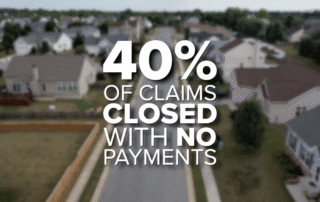
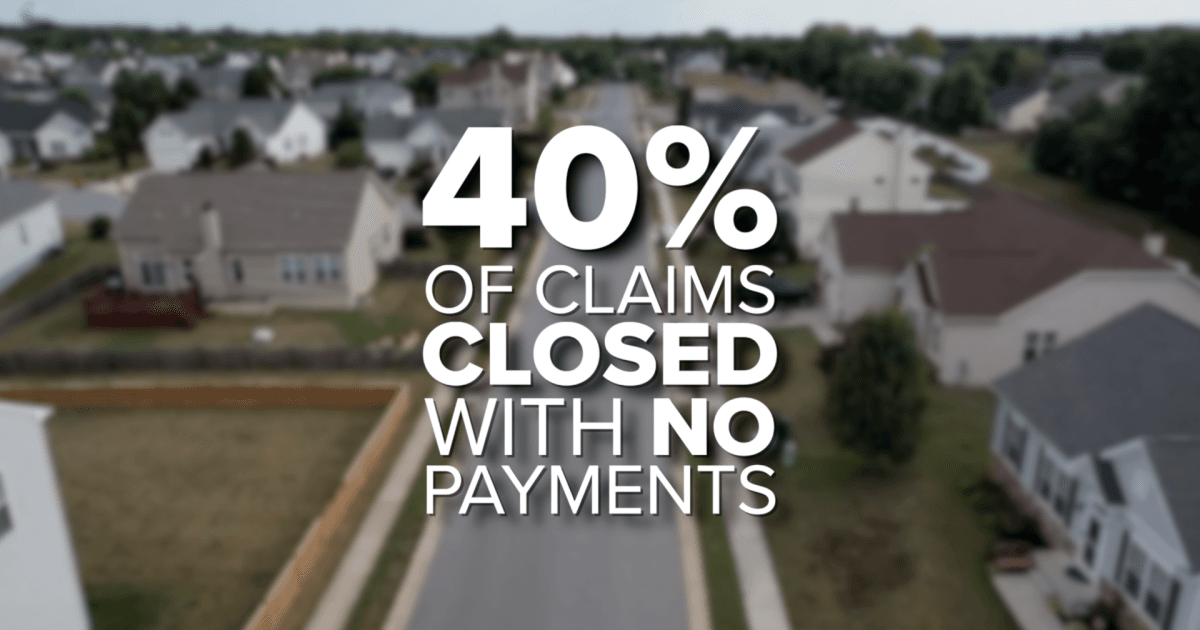
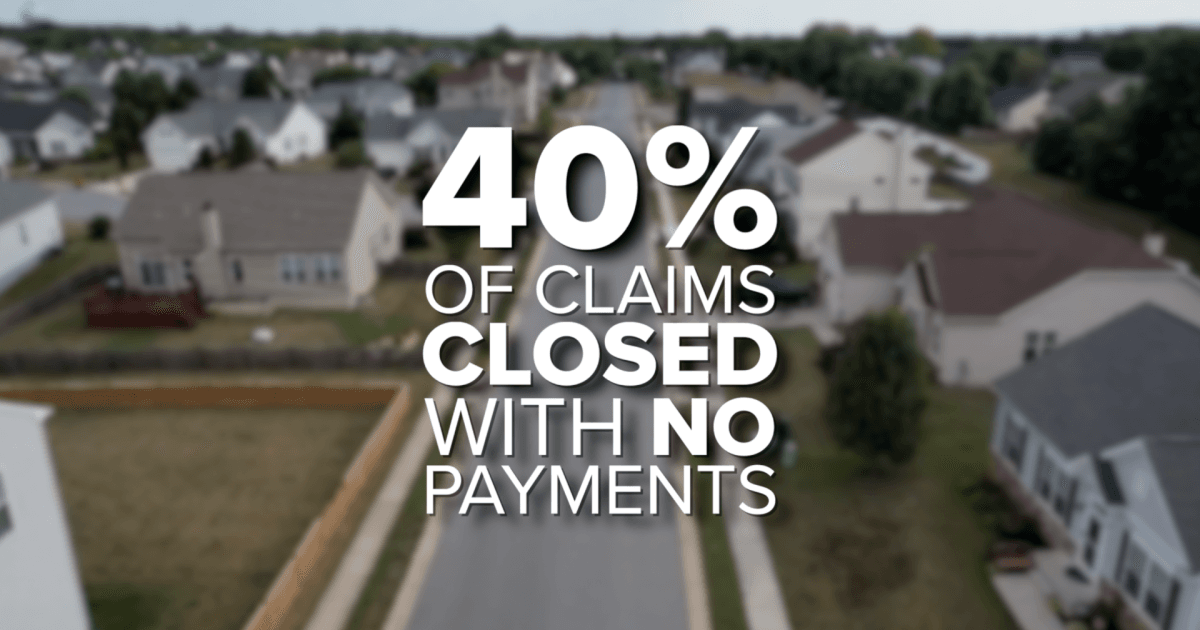
- Some insurers have closed more than half of damage claims without paying anything.
- Four firms were recently fined $2 million for mishandling hurricane claims.
“Beneath the optimism lies a troubling reality,” the report warns. “Weak oversight and political coziness have turned the system into a revolving door for industry insiders.”
Shifting Risk — But Not Solving It
Part of Florida’s recovery strategy involves shifting policies away from Citizens Property Insurance and back into the private market. While this reduces Citizens’ exposure, the report argues it also clusters risk into smaller, financially fragile companies — a dangerous setup in a state where one storm can change everything overnight.
For homeowners, this can trigger sudden premium spikes, surprise nonrenewals, or slow and frustrating claims processes.
Florida Leads the Nation in Unpaid Claims
Weiss Ratings founder Martin Weiss highlights Florida’s troubling national rankings:
- #1 in property claims closed without payment (40.3%)
- #1 in policy nonrenewals (3.3%)
- #4 in claims delayed over 60 days (32.8%)
For a state routinely battered by natural disasters, these numbers paint a sobering picture.
New Legislative Efforts Aim for Transparency
To address long‑standing concerns, Florida State Sen. Carlos Guillermo Smith introduced two new bills:
- SB 234: Expands oversight of insurer finances, limits excessive management fees, and blocks executive bonuses for companies claiming financial hardship.
- SB 230: Tightens definitions of “trade secrets,” ensuring more transparent financial disclosures.
Supporters believe these bills could help restore trust by forcing insurers to operate more transparently and responsibly.
Why This Matters for Real Estate and Insurance Professionals
Florida’s insurance landscape has direct and immediate consequences for the real estate industry. Higher premiums can eliminate buyer eligibility, derail closings, and reduce overall market confidence.
Professionals across real estate, mortgage, and insurance must stay ahead of these shifts to properly guide clients and safeguard transactions.
This is exactly why schools like Cameron Academy emphasize real‑world updates and market literacy in licensing and continuing‑education programs — because informed professionals build stronger, more resilient careers.
A Market “Recovery” That Still Needs Work
The Insurance Fairness Project concludes that Florida’s insurance recovery is fragile, incomplete, and in many ways misleading. Without stronger oversight and firmer accountability, homeowners may face soaring premiums without the peace of mind they’re paying for.
What’s clear is this: Florida’s insurance story is far from over. And every professional in real estate, lending, and insurance should be paying very close attention.
Original reporting courtesy of InsuranceNewsNet.